Nederlands
 English
 Deutsch
 Français
 Español
 Português






New Monitoring Standards Emerge as Microplastics Found in Drinking Water
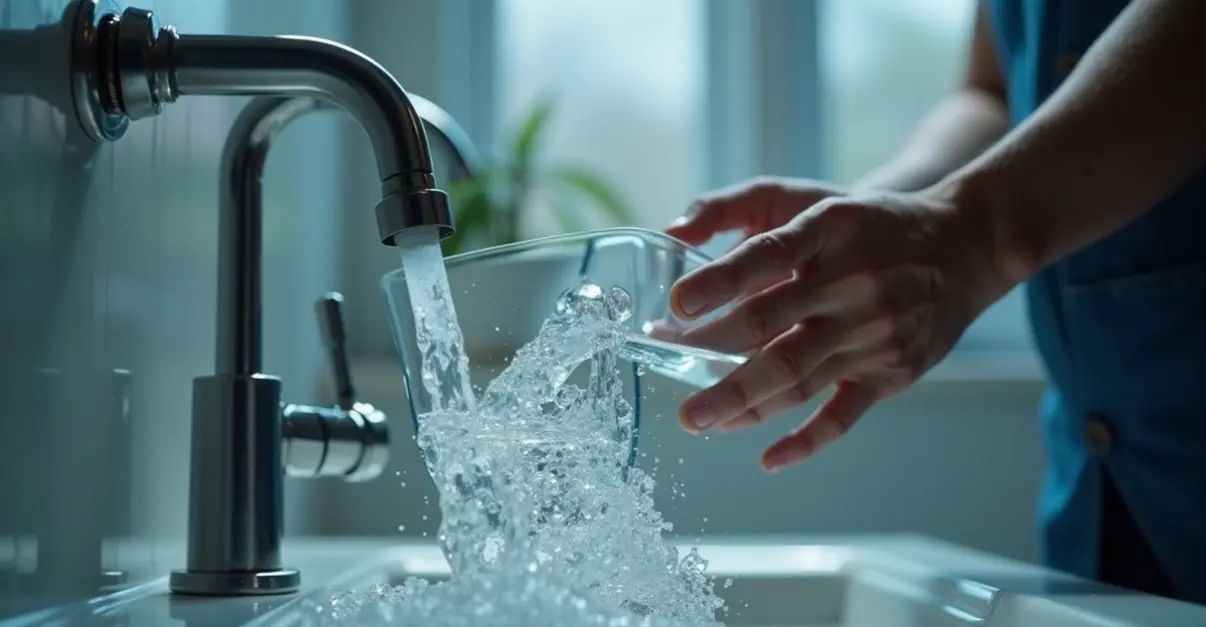
Recent scientific findings revealing the presence of microplastics in drinking water supplies across Europe have triggered a major push for standardized monitoring and improved filtration technologies. With estimates suggesting humans ingest between 9,029 and 174,959 microplastic particles annually through drinking water alone, regulatory bodies and public health officials are scrambling to address this emerging environmental and health challenge.
Breakthrough in Monitoring Methodology
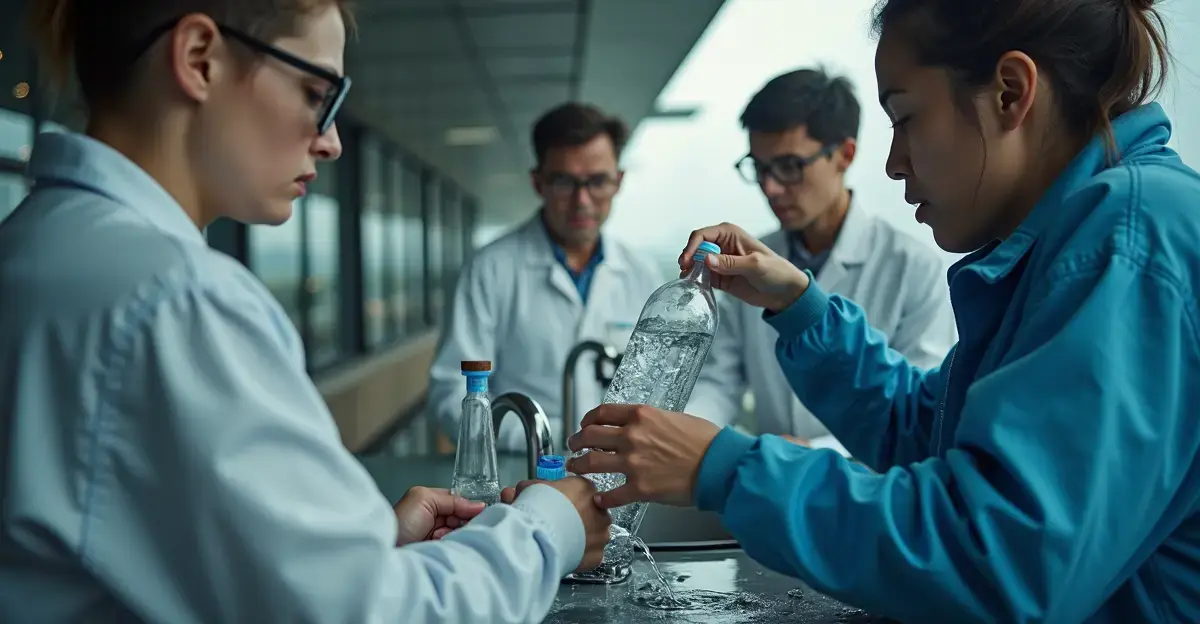
The European Commission's Joint Research Centre (JRC) has developed a world-first reference material to improve microplastic monitoring in water. This breakthrough addresses the critical challenge of inconsistent measurement results across laboratories due to variations in microplastic size, shape, and composition. 'This new control material helps laboratories calibrate their methods to accurately measure polyethylene terephthalate (PET) particles in water samples, ensuring consistent and comparable results,' explained a JRC spokesperson in a recent statement.
The methodology requires sampling at least 1000 liters of water using filters of different micron sizes (100 and 20 microns), followed by analysis via Infrared or Raman microscopy to identify polymer types, sizes, and forms. Recent studies show microplastic levels in European drinking water are generally low, ranging from 0.0000-0.6 particles per liter, with polyethylene, polyethylene terephthalate, polyester, and polypropylene being the most commonly found polymers.
Health Risk Assessment Concerns
Microplastics, defined as plastic fragments smaller than 5 millimeters, and even smaller nanoplastics (particles smaller than 1000 nanometers), have raised significant health concerns. Research indicates these particles can penetrate biological barriers and accumulate in human tissues, potentially reaching the bloodstream and various organs. 'The presence of microplastics in human feces suggests widespread exposure and absorption,' notes a recent comprehensive review examining microplastics in drinking water systems.
The major pathways of human exposure to micro- and nanoplastics are ingestion, inhalation, and dermal contact, with bioaccumulation varying based on particle size, composition, and physicochemical characteristics. Particles below 200 nanometers can breach cellular and tissue barriers, potentially reaching the bloodstream and other organs, while larger particles typically remain confined to tissues.
Filtration Solutions and Removal Technologies
While conventional water treatment can remove some microplastics, complete elimination remains challenging. However, several effective filtration options have emerged in 2025. Reverse osmosis systems have proven to be the most effective solution for comprehensive microplastic filtration. The Waterdrop G3P800 reverse osmosis system removes particles as small as 0.0001 microns and is NSF/ANSI 401 certified, making it a top recommendation for concerned consumers.
For those seeking more budget-friendly options, the Epic Smart Shield offers submicron filtration at around $90, while the Clearly Filtered Pitcher provides convenient pitcher-based filtration with independent verification for microplastics removal. Countertop systems like the AquaTru Classic offer portable reverse osmosis filtration requiring no plumbing installation, making them accessible for renters and those in temporary housing.
Regulatory Framework and Future Directions
The new monitoring methodology has been embedded in the Commission Delegated Decision adopted in March 2024 and will support the implementation of the recast Drinking Water Directive, which identifies microplastics as emerging pollutants. 'Reliable data from this reference material will help policymakers, businesses, and citizens better understand microplastic pollution levels and take effective action to reduce contamination,' stated the JRC in their announcement.
A recent study in Barcelona's Llobregat river basin found that water treatment processes effectively eliminated 92-99% of microplastics, resulting in average concentrations of 0.49 μg/L in the city's drinking water distribution network. This demonstrates that while current treatment methods are effective, there's still room for improvement and continued monitoring is essential.
As research continues to evolve, public health experts emphasize the importance of balancing plastic's benefits in modern life with the associated health risks. The development of standardized monitoring protocols and effective filtration technologies represents a crucial step toward addressing this invisible threat to our drinking water supplies.