Nederlands
 English
 Deutsch
 Français
 Español
 Português





New Research Shows Microplastics Pervasive in Drinking Water Systems
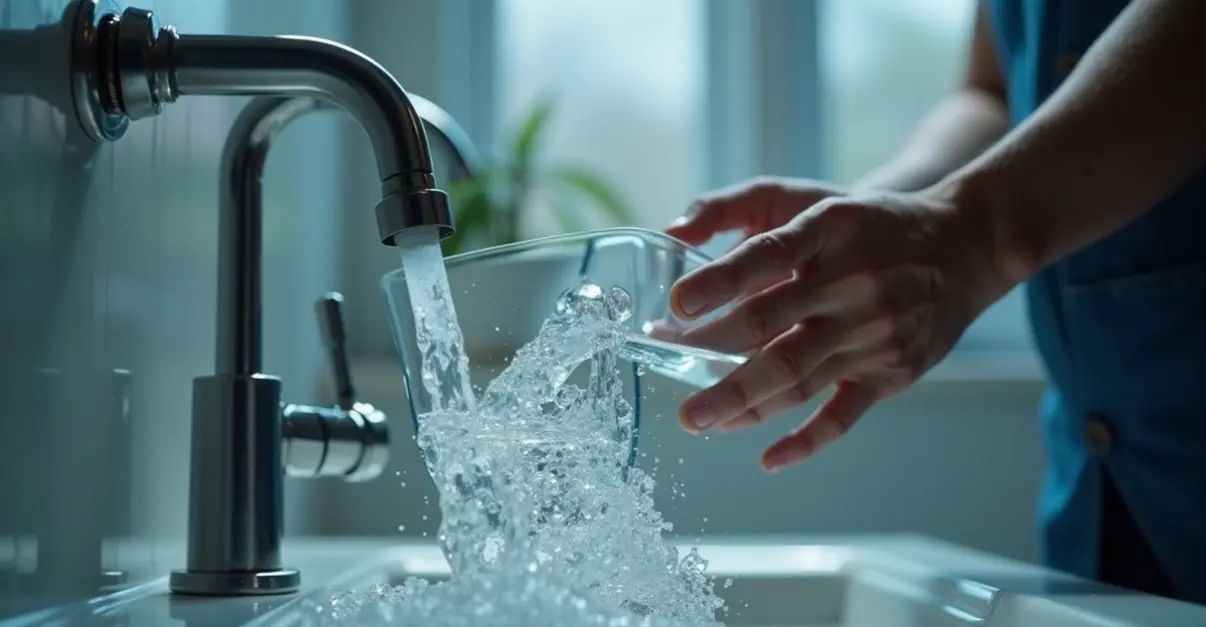
A groundbreaking study published in 2025 has revealed alarming levels of microplastic contamination in tap water systems across the United States and globally, raising urgent questions about public health, regulatory frameworks, and market responses. The comprehensive review, published in Science of the Total Environment, found that approximately 81% of global drinking water samples contain microplastic particles, with humans ingesting an estimated 9,029 to 174,959 microplastics per liter annually.
What Are Microplastics and How Do They Enter Our Water?
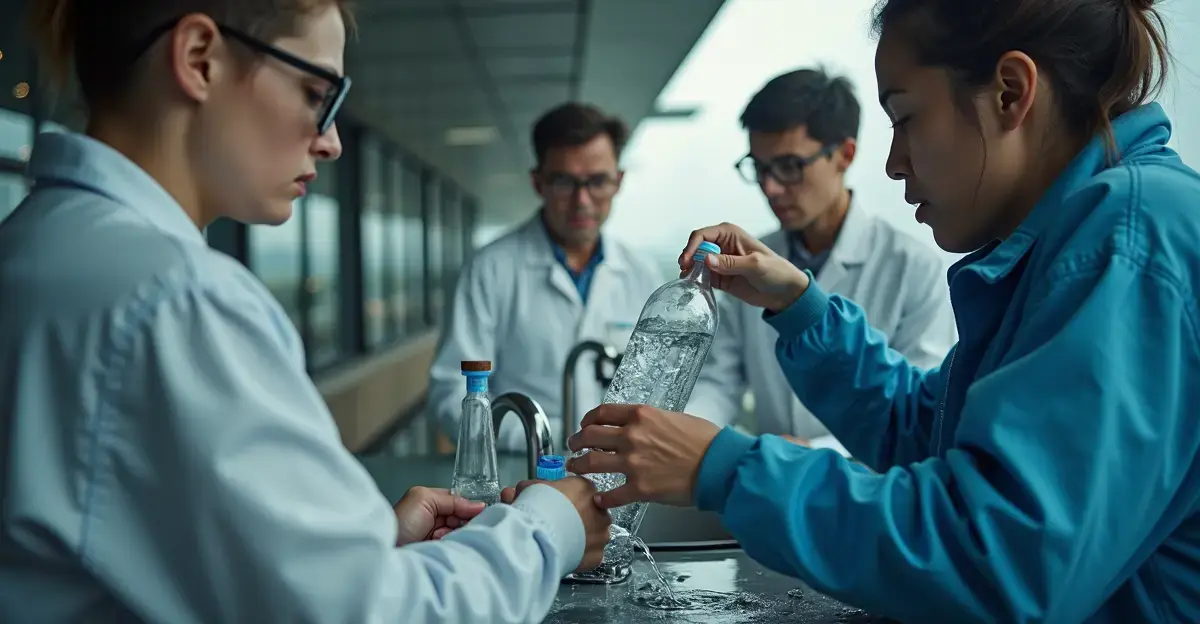
Microplastics are synthetic solid particles ranging from 1 micrometer to 5 millimeters in size, classified as either primary (manufactured small) or secondary (broken down from larger plastics). According to Wikipedia, these particles enter water systems through multiple pathways: wastewater treatment plant discharges, atmospheric deposition, plastic pipe degradation, and even from everyday activities like laundry and tire wear. 'The problem is that conventional water treatment plants simply aren't designed to capture these tiny particles,' explains Dr. Sarah Chen, lead researcher at the University of Texas at Arlington. 'They slip through current filtration technologies and re-enter our drinking water systems.'
Health Implications and Scientific Concerns
The study highlights significant health concerns, as microplastics smaller than 1.5 micrometers can penetrate biological barriers and have been detected in human bone marrow, circulatory systems, and even maternal-fetal interfaces. 'We're finding these particles in places we never expected,' says Dr. Michael Rodriguez, an environmental toxicologist. 'The real concern is that microplastics act as vectors for other dangerous pollutants like Bisphenols, PFAS, and antibiotics, creating composite contamination risks.' Long-term exposure has been linked to potential cardiovascular disease, cancer, and endocrine disruption, though researchers emphasize more studies are needed to fully understand human health impacts.
Regulatory Landscape in 2025
In response to growing evidence, 2025 has seen significant regulatory activity. The bipartisan Microplastics Safety Act (H.R. 4486) directs the FDA to study human health impacts of microplastics in food and water, while the Plastic Health Research Act proposes $10 million annually from 2026-2030 for research programs. At the state level, California is proposing to add microplastics to its Candidate Chemicals List, Michigan is considering statewide monitoring programs, and Oregon is expanding its plastic bag ban effective 2027. 'We're seeing a patchwork of regulations emerging,' notes environmental lawyer Jessica Martinez. 'This creates challenges for manufacturers and utilities, but also opportunities for federal coordination.'
Market Responses and Technological Solutions
The global microplastic filtration systems market, valued at $12.82 billion in 2024, is projected to reach $35.48 billion by 2034 according to Polaris Market Research. Advanced technologies like ultrafiltration, reverse osmosis, and magnetic separation show promise but face adoption barriers due to high costs. 'The market is responding with both point-of-use filters and municipal-scale solutions,' says industry analyst David Kim. 'We're seeing integration of smart technologies like IoT-enabled monitoring and AI for real-time contamination tracking.' Home filtration systems have seen a 40% increase in sales in affected regions, while water utilities are investing in upgraded treatment infrastructure.
Community Impact and Public Awareness
Communities are responding with grassroots initiatives and increased testing. 'People are rightfully concerned about what's in their tap water,' says community organizer Maria Gonzalez. 'We're organizing local testing programs and advocating for transparent reporting from water utilities.' The study's authors call for standardized testing protocols, as current methods vary widely between studies. Public awareness campaigns are emphasizing simple actions like using glass containers, installing certified filters, and reducing single-use plastics.
Looking Forward: Policy and Innovation
The research underscores the need for coordinated action. 'This isn't just an environmental issue—it's a public health imperative,' concludes Dr. Chen. 'We need better detection methods, improved treatment technologies, and evidence-based regulations to protect communities.' With bipartisan support growing in Congress and technological innovation accelerating, 2025 may mark a turning point in addressing microplastic contamination in our most essential resource: drinking water.