
 Deutsch
 English
 Español
 Français
 Nederlands
 Português

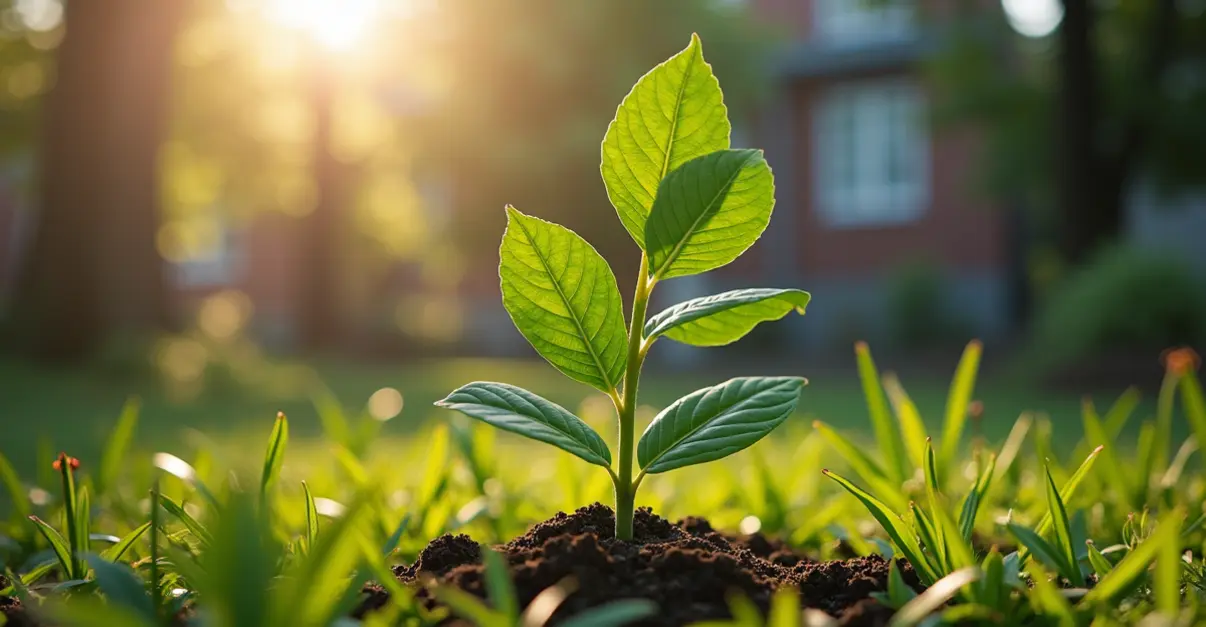





Public-Private Partnership Funds Large-Scale Urban Tree Planting
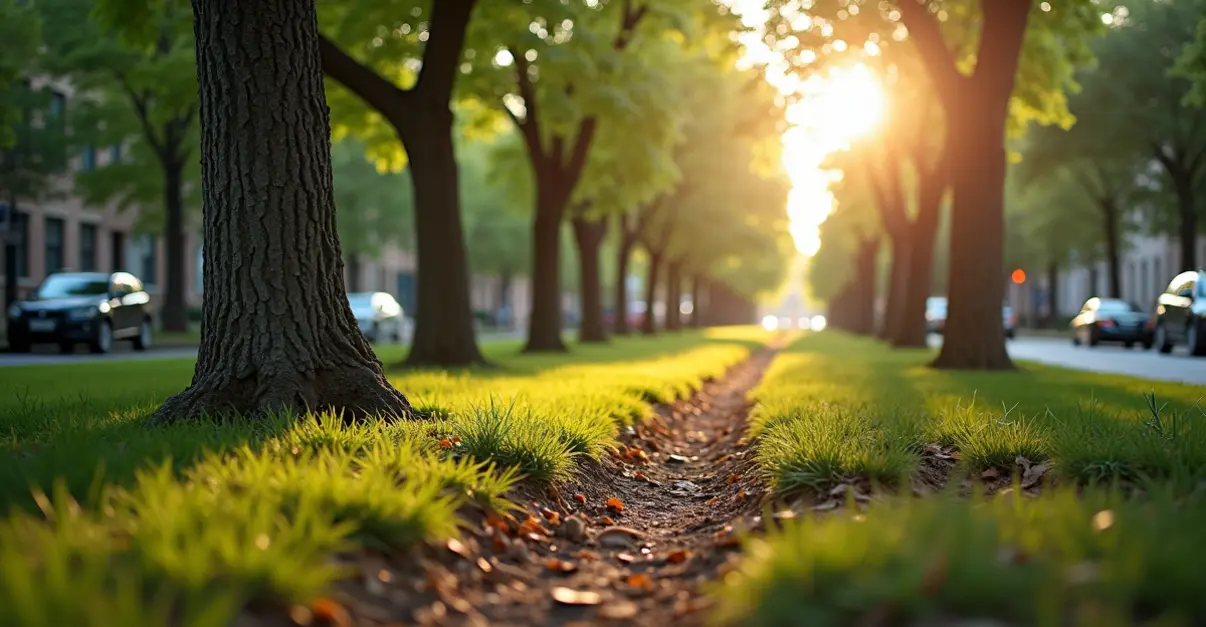
A groundbreaking public-private partnership has launched a major urban tree planting initiative aimed at cooling neighborhoods and combating the urban heat island effect. The ambitious program, which brings together municipal governments, private corporations, and environmental organizations, represents one of the most significant urban forestry efforts in recent years.
The initiative comes at a critical time when many cities are experiencing record-breaking temperatures and facing challenges with federal funding for environmental programs. 'This partnership demonstrates what's possible when public and private sectors work together toward a common environmental goal,' said Anna Petrova, the initiative's lead coordinator. 'We're not just planting trees—we're investing in community health, climate resilience, and environmental justice.'
The Science Behind Urban Cooling
Urban areas typically experience what scientists call the urban heat island effect, where temperatures can be up to 8°F warmer than surrounding rural areas. This phenomenon disproportionately affects low-income communities and communities of color, often due to historical redlining practices that left these neighborhoods with fewer trees and more paved surfaces.
Research from the Yale School of the Environment has developed data-driven frameworks for equitable urban tree planting that help cities strategically target planting sites to maximize heat relief for vulnerable communities. 'Trees are nature's air conditioners,' explained Dr. Michael Chen, an urban forestry researcher. 'Through evapotranspiration and shading, a single mature tree can provide the cooling equivalent of ten room-sized air conditioners operating 20 hours a day.'
Funding Challenges and Innovative Solutions
The initiative's launch follows recent challenges in federal funding for urban forestry programs. The Trump administration canceled $75 million in federal grants that were part of the 2022 Inflation Reduction Act, specifically targeting tree planting in disadvantaged communities. This funding cut has forced many organizations to cancel tree-planting initiatives and community training programs.
However, this new public-private partnership represents an innovative approach to securing sustainable funding. 'We've learned that we can't rely solely on federal funding that changes with political administrations,' said Sarah Johnson, a sustainability director with one of the corporate partners. 'By creating this multi-stakeholder model, we're building resilience into the funding structure itself.'
The partnership includes commitments from several Fortune 500 companies, local businesses, and philanthropic organizations, creating a diversified funding stream that will support not just planting but also long-term maintenance—a critical factor often overlooked in tree-planting initiatives.
Equity-Focused Implementation
What sets this initiative apart is its explicit focus on equity. The program uses sophisticated mapping technology to identify neighborhoods with the greatest need based on multiple factors: current tree canopy coverage, surface temperatures, demographic data, and historical disinvestment patterns.
'We're prioritizing communities that have been systematically deprived of green spaces for generations,' explained Maria Rodriguez, a community engagement specialist. 'This isn't just about planting trees where it's easiest—it's about planting them where they're needed most.'
The initiative follows successful models like Washington D.C.'s Casey Trees organization, which is working to restore the city's tree canopy to 40% coverage by 2032 with a strong equity focus. Similar efforts in Detroit and other cities demonstrate how strategic tree planting can transform urban landscapes while addressing historical injustices.
Comprehensive Benefits Beyond Cooling
While cooling neighborhoods is the primary goal, the initiative delivers numerous additional benefits. According to tree planting research, urban trees improve air quality by filtering pollutants, reduce stormwater runoff through interception and absorption, increase property values, and support mental health and community well-being.
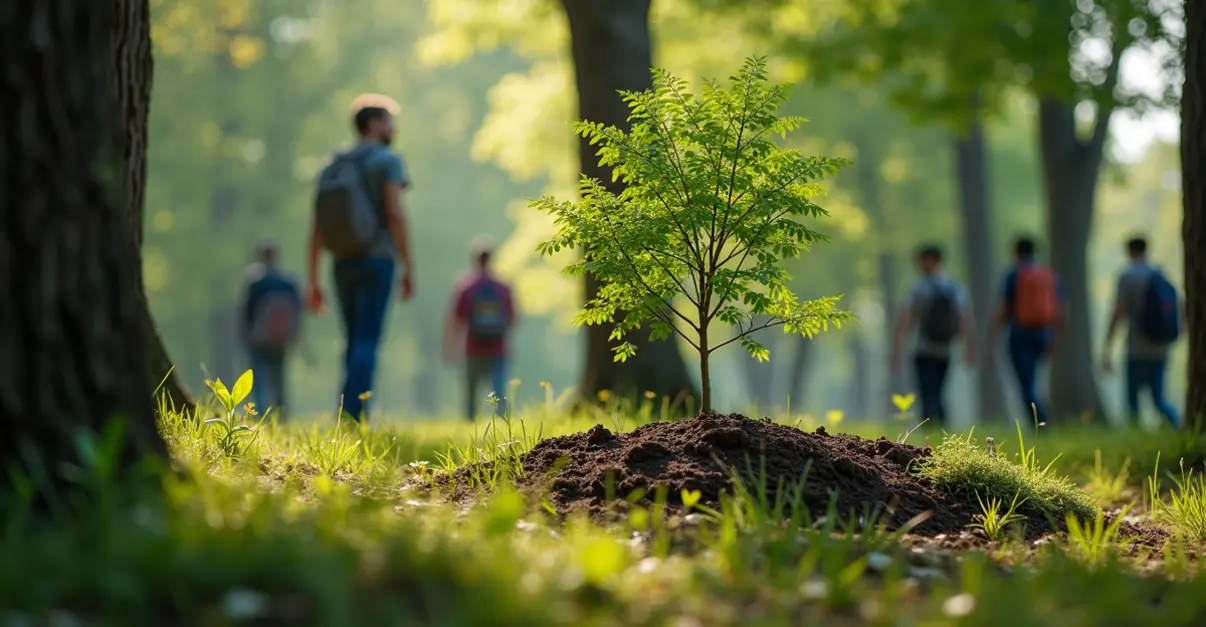
The program includes educational components about the importance of urban forests and involves community members in planting and maintenance activities. 'When residents help plant and care for these trees, they develop a sense of ownership and connection to their neighborhood's green infrastructure,' noted environmental educator James Wilson.
Looking Ahead: A Model for Other Cities
Organizers hope this initiative will serve as a model for other cities facing similar challenges. The partnership structure, with its emphasis on equity, community engagement, and sustainable funding, offers a blueprint that can be adapted to different urban contexts.
'Climate change is making our cities hotter, and we need innovative solutions that address both the environmental and social dimensions of this challenge,' said Anna Petrova. 'This initiative shows that when we work together across sectors, we can create cooler, healthier, and more equitable cities for everyone.'
The first phase of planting will begin this fall, with thousands of trees scheduled for neighborhoods identified as priority areas. The initiative has already secured commitments for five years of funding, with plans to expand to additional cities in subsequent phases.

Follow Discussion