Nederlands
 English
 Deutsch
 Français
 Español
 Português
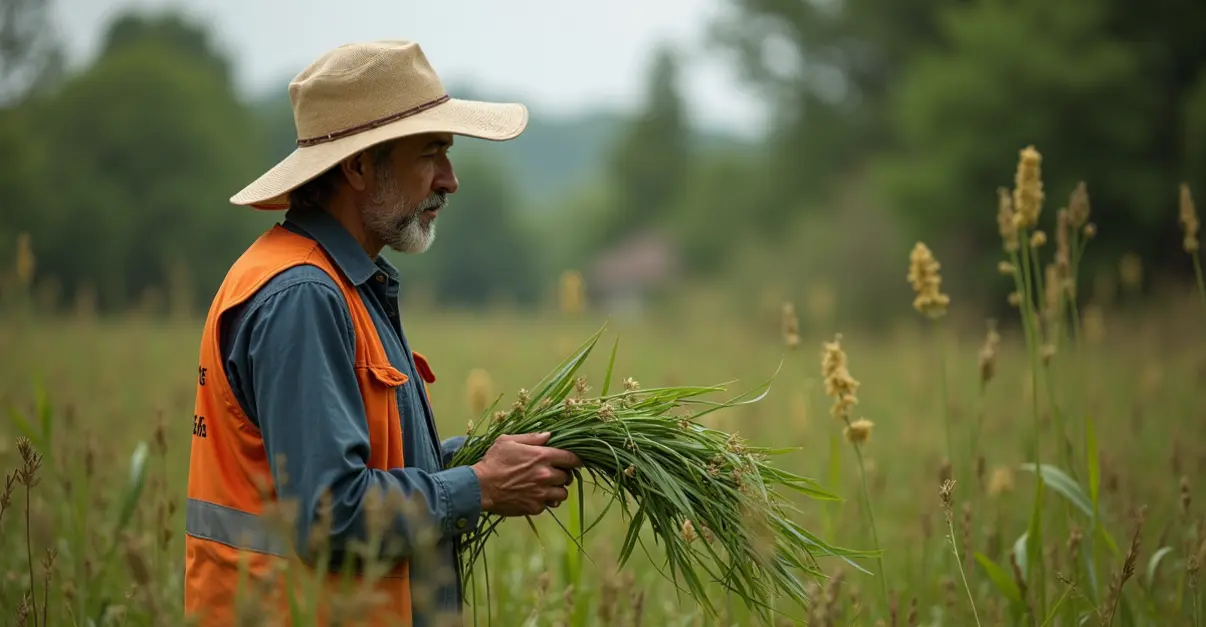





Historic $14.7 Million Initiative Supports Farmers in Ecosystem Restoration
In a landmark move for conservation, a national program is providing substantial incentives to help farmers restore native habitats and biodiversity through rewilding initiatives. The National Fish and Wildlife Foundation (NFWF) recently announced $14.7 million in grants to support regenerative agriculture on working lands across 21 states, marking the largest investment in the Conservation Partners Program since its inception in 2011.
What is Farmland Rewilding?
Rewilding, as defined by conservation science, is 'the science-based restoration of self-regulating ecosystems' that reduces human intervention while restoring natural processes. For agricultural lands, this means reintroducing native plant and animal species to create more resilient, biodiverse landscapes. With approximately half of Earth's habitable land used for agriculture, rewilding offers a critical pathway to reverse biodiversity loss caused by conventional farming practices like monocropping and pesticide overuse.
'Rewilding enables the return of intact, large mammal assemblages to promote the restoration of trophic networks,' explains the Wikipedia entry on rewilding. This approach differs from traditional conservation by focusing on restoring ecological functions rather than simply preserving existing conditions.
How the Program Works
The NFWF program leverages partnerships with USDA Natural Resources Conservation Service, EPA, U.S. Fish and Wildlife Service, and corporate partners including General Mills and Walmart. The $14.7 million in grants will be matched by approximately $7 million in contributions from recipients, generating a total conservation impact of $21.7 million.
Farmers and ranchers can access funding for practices including cover crops, conservation tillage, grazing management, and riparian habitat enhancements. The program aims to develop at least 3,000 management plans covering over 700,000 acres nationwide. 'This represents a historic opportunity for agricultural producers to implement conservation practices that benefit both their operations and the environment,' said a program spokesperson.
Success Stories from the Field
Across the globe, rewilding initiatives are demonstrating remarkable results. The Global Rewilding Alliance showcases inspiring examples, including former puma hunter Arcilio Sepúlveda in Chile who now protects these big cats through Rewilding Chile. 'Rewilding creates stable jobs and restores ecological balance,' notes the organization's report.
In the UK, Knepp Farm has become a celebrated example where abandoned agricultural land transformed into a thriving ecosystem through free-range grazing animals. Similarly, wolf reintroduction in Yellowstone National Park triggered a trophic cascade that benefited numerous species and restored ecological balance.
Benefits for Farmers and Ecosystems
Rewilding farmland offers multiple advantages. For farmers, it can improve soil health, enhance water quality, increase carbon sequestration, and potentially create new income streams through ecotourism or carbon credits. For ecosystems, it restores biodiversity, creates wildlife corridors, and builds climate resilience.
'Rewilding creates more self-sustaining lands with lower environmental impacts, potentially helping farmers bridge natural and human-made environments while feeding the nation,' according to analysis from the Frontier Group.
Challenges and Considerations
Despite the benefits, rewilding faces challenges. Some farmers worry about reduced agricultural yields, while others express concerns about human-wildlife conflicts. The program addresses these through flexible approaches that allow partial rewilding—designating specific areas for habitat restoration while maintaining productive farmland elsewhere.
Funding remains another consideration. Since 2011, the Conservation Partners Program has awarded 322 grants worth over $85 million, generating total conservation investments exceeding $192 million. This demonstrates sustained commitment but highlights the need for ongoing support.
The Bigger Picture
This initiative aligns with broader conservation goals, including the UN's call for massive-scale ecosystem restoration by 2030 as part of the 30x30 campaign. With 60% of U.S. land privately owned, engaging farmers and ranchers is essential for achieving national biodiversity targets.
'Integrating rewilding into U.S. policy through Farm Bill subsidies for private landowners could make conservation financially appealing while addressing climate resilience and ecosystem restoration,' suggests research highlighted by Duke University.
As the program rolls out, early participants report positive outcomes. One farmer noted, 'The incentives made it possible for us to set aside marginal land for native habitat without hurting our bottom line. We're seeing more pollinators and healthier soil already.'
The national program represents a significant step toward reconciling agricultural production with environmental stewardship, offering a model that could be replicated globally as nations seek sustainable solutions to biodiversity loss and climate change.