


 Deutsch
 English
 Español
 Français
 Nederlands
 Português


 Share
Share




Revolutionary Technologies Tackle Forever Chemicals Crisis
New filtration and destruction methods for per- and polyfluoroalkyl substances (PFAS), commonly known as "forever chemicals," are emerging as game-changers in environmental remediation. These persistent pollutants, found in everything from waterproof clothing to firefighting foam, have contaminated water supplies worldwide, posing significant health risks including cancer, thyroid disease, and developmental issues.
Advanced Filtration Systems
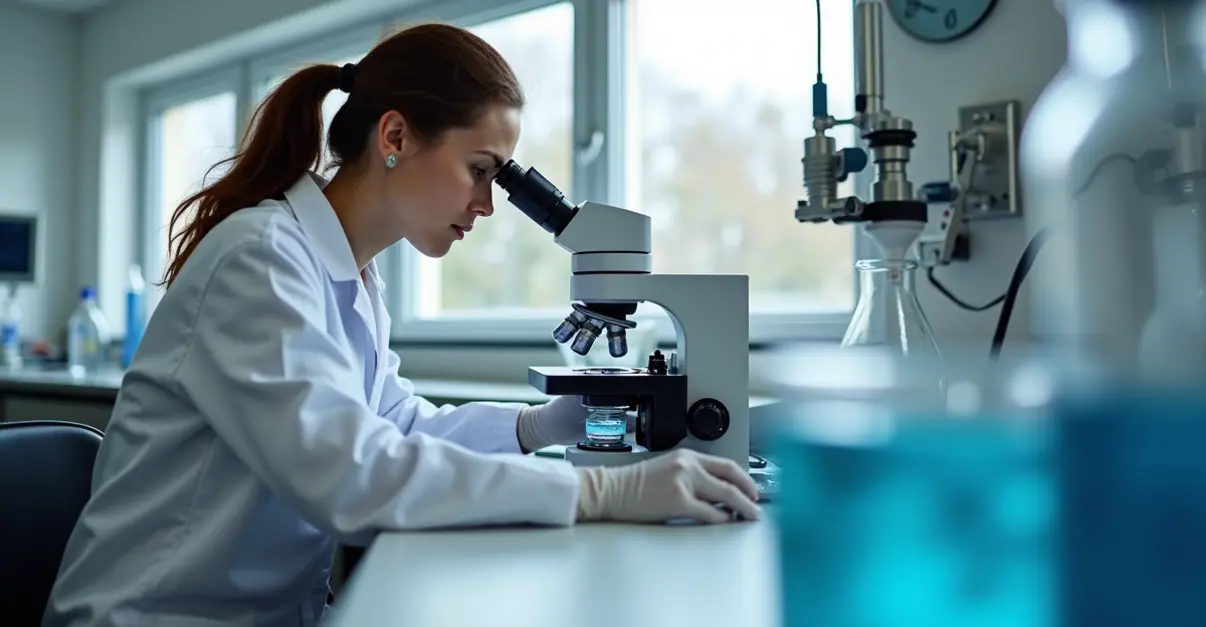
The latest generation of PFAS removal technologies includes advanced granular activated carbon (GAC) systems, ion exchange resins, and novel membrane filtration techniques. Researchers have developed specialized adsorbent materials that can capture PFAS molecules more efficiently than traditional methods. These systems can reduce PFAS concentrations to below health advisory levels, with some achieving removal rates exceeding 99%.
Destruction Breakthroughs
Beyond filtration, scientists are making progress with destruction technologies that actually break down PFAS molecules rather than simply concentrating them. Supercritical water oxidation, plasma reactors, and electrochemical methods show promise in completely mineralizing these stubborn compounds into harmless byproducts like carbon dioxide, water, and fluoride salts.
Cost Per Liter Analysis
The economic landscape of PFAS cleanup is evolving rapidly. Traditional treatment methods typically cost between $0.50-$2.00 per liter for large-scale operations, but new technologies are driving costs downward. Advanced oxidation processes now range from $0.30-$1.20 per liter, while emerging destruction technologies aim for $0.20-$0.80 per liter as they scale up. The most cost-effective solutions combine multiple treatment steps for comprehensive removal.
Regulatory Drivers
Recent regulatory actions, including the EPA's new drinking water standards for PFAS, are accelerating adoption of these technologies. The Biden administration's infrastructure investments include billions for water treatment upgrades, creating unprecedented demand for effective PFAS remediation solutions.
Future Outlook
As research continues and manufacturing scales up, experts predict treatment costs could fall below $0.15 per liter within the next five years. The development of passive treatment systems and in-situ remediation techniques offers hope for addressing contaminated groundwater without expensive extraction and treatment processes.


Follow Discussion