


 Deutsch
 English
 Español
 Français
 Nederlands
 Português


 Share
Share




TUI Profit Warning: War Slashes €320M from Forecast
Europe's largest travel operator TUI has issued a significant profit warning, revealing that the ongoing Middle East conflict has forced the company to slash its annual profit forecast by hundreds of millions of euros. The German-based tourism giant now expects profits of approximately €1.1 billion for its fiscal year ending September 2026, down from the previously anticipated €1.42 billion - a reduction of €320 million. This dramatic revision highlights how geopolitical instability is directly impacting the global travel industry, with TUI facing immediate costs of over €40 million for repatriating stranded travelers and staff from conflict zones.
What is TUI Group?
TUI AG, trading as TUI Group, is the world's largest leisure, travel and tourism company headquartered in Hanover, Germany. Originally founded as a mining company in 1923, the company transformed into a tourism giant in the late 1990s and now operates 353 hotels with 275,144 beds, 16 cruise ships, and a fleet of 134 aircraft. The company serves approximately 21 million guests annually through its extensive network of travel agencies, hotel chains, cruise lines, and airlines across Europe. TUI's financial year runs from October to September, making the current conflict's timing particularly impactful on its 2026 fiscal performance.
Direct War Costs and Repatriation Efforts
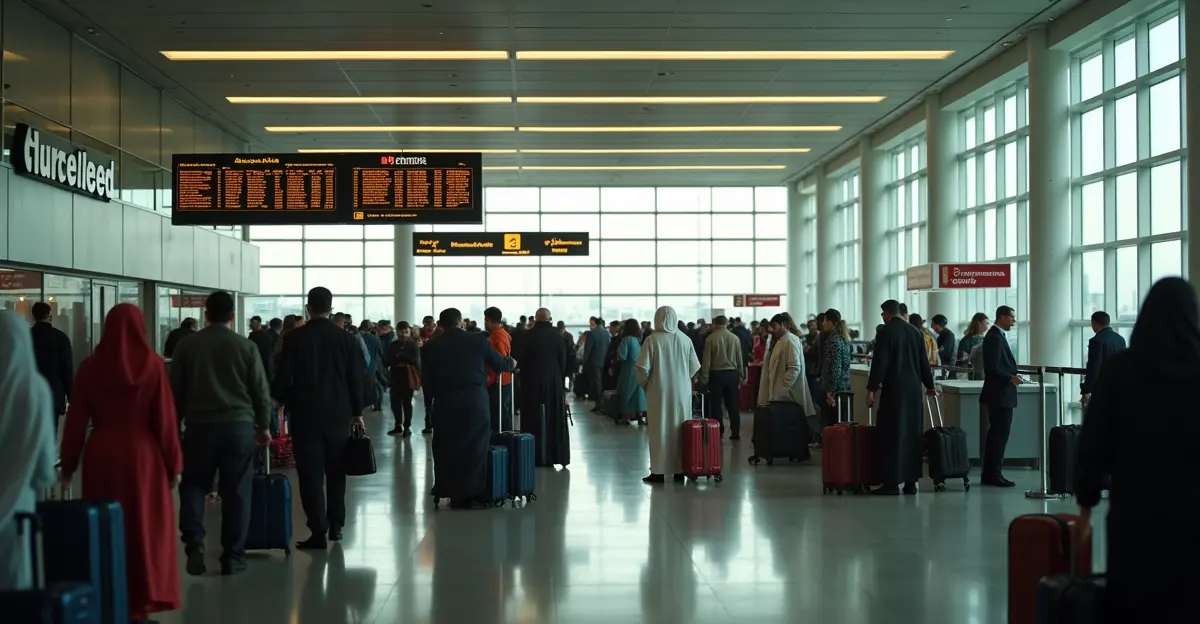
The immediate financial impact of the Middle East conflict has been substantial for TUI. The company incurred over €40 million in direct costs related to emergency operations, including the repatriation of approximately 12,000 travelers and staff from affected regions. This massive evacuation effort involved:
- Rescuing 5,000 guests from two cruise ships stranded in Abu Dhabi and Doha ports
- Evacuating an additional 5,000 holidaymakers from various Middle Eastern destinations
- Returning 1,500 crew members from ships that escaped through the Strait of Hormuz during temporary ceasefires
- Managing logistics for thousands of other travelers affected by regional disruptions
These emergency operations represent just the immediate financial burden, with broader market impacts creating additional challenges for the travel giant.
Consumer Behavior Shifts and Market Impacts
The conflict has triggered significant changes in consumer behavior that are reshaping TUI's business landscape. Travelers are demonstrating increased caution, with several notable trends emerging:
Booking Pattern Changes
Customers are now booking holidays much closer to departure dates, reflecting uncertainty about geopolitical stability. This shift creates operational challenges for TUI, as last-minute bookings make capacity planning and resource allocation more difficult. The company noted that while spontaneous travel has increased, forward bookings have declined significantly.
Destination Preferences
There's a clear migration away from Eastern Mediterranean destinations directly affected by the conflict. Travelers are increasingly choosing Western Mediterranean locations instead, with Turkey, Cyprus, and Egypt experiencing particularly sharp declines. This geographical shift requires TUI to reallocate resources and marketing efforts to alternative destinations.
Financial Performance Indicators
Current metrics show concerning trends for TUI's core business segments. Airline revenue for the summer season is approximately 7% below last year's levels, while hotel occupancy rates have similarly declined by 7%. These figures suggest broader market challenges beyond the immediate conflict costs.
Strategic Responses and Risk Management
Despite the significant challenges, TUI has implemented several strategic measures to mitigate the conflict's impact on its operations:
Fuel Hedging Strategy
The company has secured 83% of its required jet fuel for the summer season through hedging contracts, protecting against potential price spikes in the volatile energy markets. This proactive approach mirrors strategies employed during previous global energy crises and demonstrates TUI's risk management capabilities.
Revised Financial Guidance
TUI has suspended its revenue guidance until market conditions stabilize, reflecting the uncertainty created by the ongoing conflict. The company now expects annual profits between €1.1 billion and €1.4 billion, down from the previous range of €1.3 billion to €1.4 billion. This represents a significant adjustment that acknowledges the conflict's extended impact on travel demand.
Operational Adjustments
The travel operator is reallocating resources to safer destinations and adjusting marketing strategies to reflect changing consumer preferences. These operational shifts are essential for maintaining revenue streams while minimizing exposure to conflict-affected regions.
Broader Industry Implications
TUI's profit warning reflects broader challenges facing the global travel industry. According to industry analysts, the Middle East conflict has already caused:
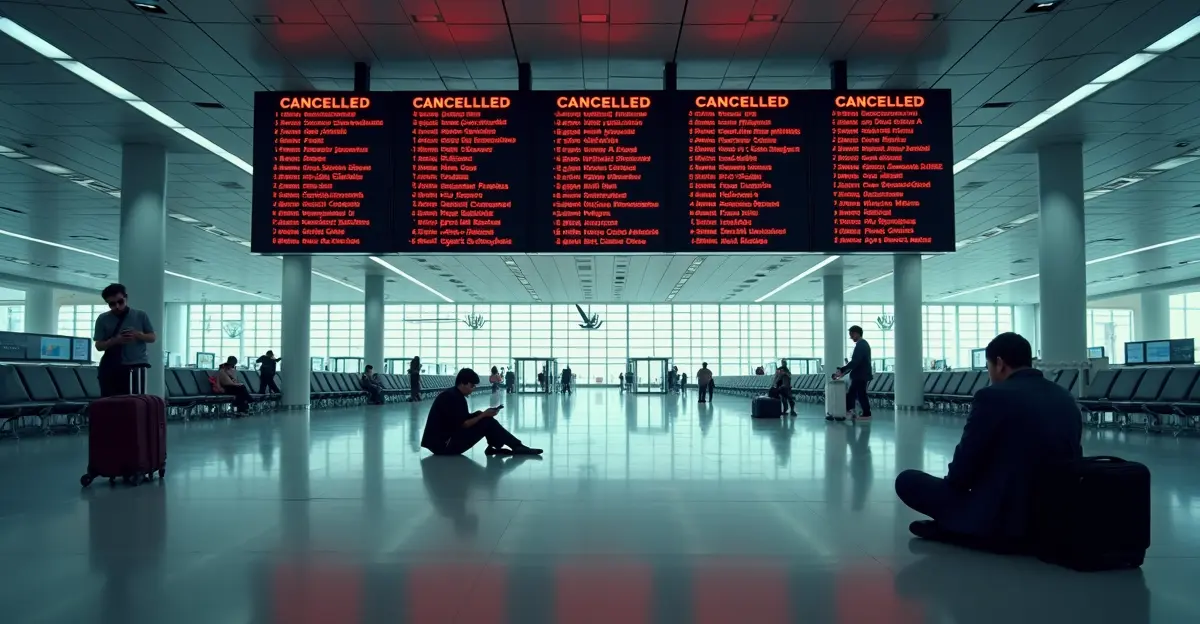
- Over 23,000 flight cancellations affecting 4.4 million seats
- Airspace closures in Iran, Iraq, Saudi Arabia, Kuwait, Qatar, and Bahrain
- Tourist declines of 11-27% in affected regions
- Estimated losses of $34-56 billion in global tourism revenue
These industry-wide impacts demonstrate how geopolitical instability can rapidly transform market conditions, affecting everything from airline operations to hotel occupancy rates. The situation highlights the vulnerability of the global tourism ecosystem to regional conflicts and underscores the importance of diversified destination portfolios for major travel operators.
Future Outlook and Recovery Prospects
While the immediate outlook remains challenging, TUI maintains some positive indicators for recovery. The company reported a record-breaking Q1 FY2026 with €4.9 billion in revenue, marking its strongest first quarter ever. This performance demonstrates underlying business strength despite current headwinds. Key factors that could influence TUI's recovery include:
- Duration of the Middle East conflict and regional stability
- Consumer confidence returning to pre-conflict levels
- Effectiveness of TUI's strategic adjustments to changing market conditions
- Broader economic factors affecting discretionary travel spending
Industry experts suggest that travel companies with strong balance sheets and diversified operations, like TUI, are best positioned to weather geopolitical storms. However, the company's experience serves as a cautionary tale about how quickly external events can impact even the largest players in the travel industry.
Frequently Asked Questions
How much has TUI reduced its profit forecast?
TUI has reduced its annual profit forecast by approximately €320 million, from €1.42 billion to €1.1 billion for the fiscal year ending September 2026.
What were the direct costs of the Middle East conflict for TUI?
The company incurred over €40 million in direct costs, primarily for repatriating approximately 12,000 travelers and staff from conflict-affected regions, including 5,000 guests from stranded cruise ships.
How is consumer behavior changing due to the conflict?
Travelers are booking closer to departure dates, shifting from Eastern to Western Mediterranean destinations, and demonstrating increased caution about travel to regions near conflict zones.
What percentage of TUI's jet fuel is hedged for summer?
TUI has hedged 83% of its required jet fuel for the summer season, protecting against potential price volatility in energy markets affected by the conflict.
How does this compare to other travel industry impacts?
The Middle East conflict has caused broader industry impacts including over 23,000 flight cancellations, 11-27% tourist declines in affected regions, and estimated global tourism revenue losses of $34-56 billion.


Follow Discussion