


 Deutsch
 English
 Español
 Français
 Nederlands
 Português


 Share
Share




The AI Energy Paradox: How Data Center Electricity Demand Is Reshaping Global Energy Markets
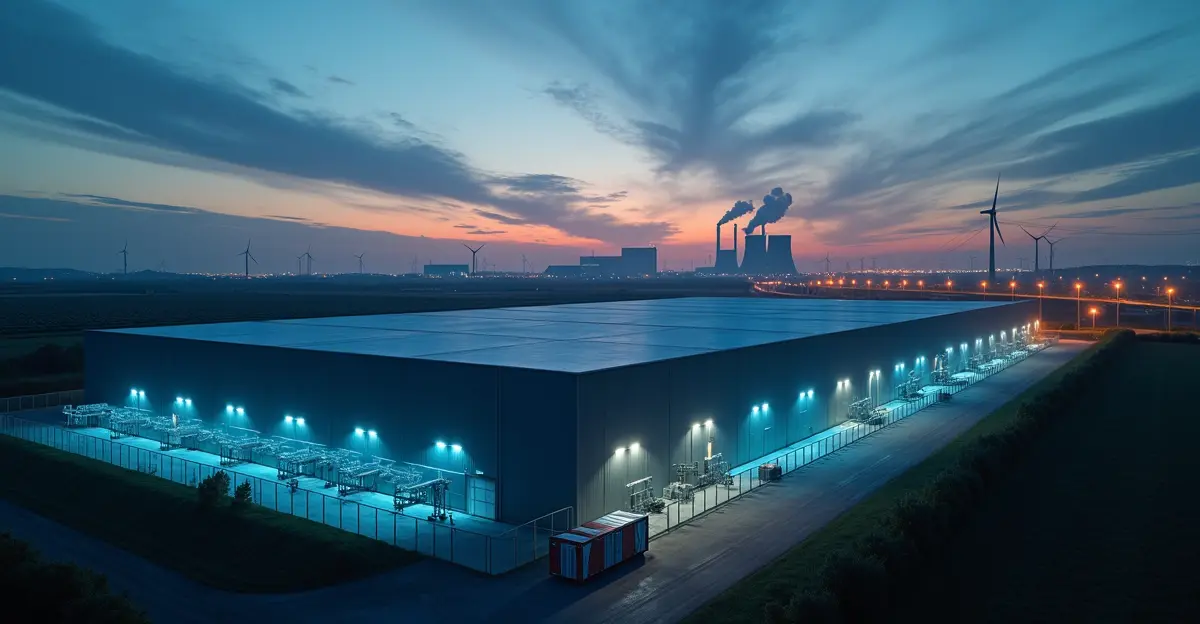
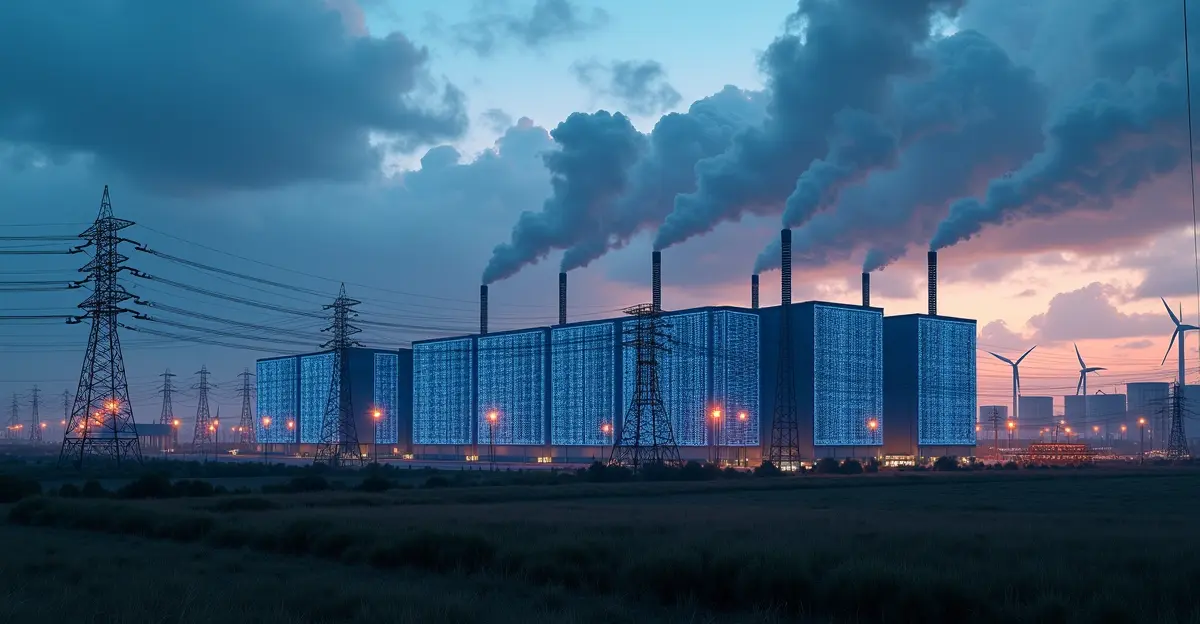
The International Energy Agency's latest projections reveal a startling reality: AI-driven data centers will double global electricity consumption by 2030, reaching nearly 3% of total global demand. This unprecedented surge represents what experts are calling the 'AI energy paradox' – where the very technology promising efficiency gains is becoming one of the world's fastest-growing energy consumers. The IEA forecasts that data center electricity demand will jump from 415 terawatt-hours (TWh) in 2024 to approximately 945 TWh by 2030, creating profound implications for energy markets, climate goals, and global infrastructure investment.
What Is the AI Energy Paradox?
The AI energy paradox describes the contradictory relationship between artificial intelligence's potential to optimize energy systems and its massive electricity consumption requirements. While AI technologies can improve grid efficiency, predict renewable energy output, and optimize industrial processes, the training and operation of large language models and machine learning systems demand extraordinary computing power. According to the IEA, AI-driven data centers currently consume about 1.5% of global electricity, but this figure is projected to reach nearly 3% by 2030 as accelerated servers grow by 30% annually. This creates a fundamental tension between technological advancement and sustainability objectives.
The Scale of the Challenge: IEA's 2030 Projections
The International Energy Agency's comprehensive analysis reveals several critical data points that define the scope of this emerging challenge. Global data center electricity consumption is expected to double within six years, with AI accounting for almost half of this net increase. The United States faces particularly acute pressure, with data centers projected to account for nearly half of the country's electricity demand growth through 2030. Currently, U.S. data centers consume 4% of national electricity, but this could quadruple to 12% by 2030, representing a jump from 224 TWh to 606 TWh.
Regional Concentration and Geopolitical Implications
The geographic distribution of data center growth reveals significant geopolitical dimensions. The United States hosts 51% of global data centers, with China and Europe accounting for most of the remaining capacity. This concentration creates energy security concerns and competitive advantages. 'The data center boom is reshaping global energy flows and creating new dependencies,' notes an energy analyst familiar with the global energy security landscape. The U.S. per-capita data center consumption, already at 540 kWh in 2024, is projected to exceed 1,200 kWh by 2030 – more than double current levels.
$720 Billion Infrastructure Investment Required
Meeting this explosive demand will require massive infrastructure investment. Goldman Sachs Research estimates that approximately $720 billion in grid investments will be needed through 2030 to support expanded power infrastructure for data center growth. This investment encompasses transmission line upgrades, substation expansions, renewable energy integration, and grid modernization technologies. The scale of required investment highlights how AI development is becoming a major driver of global infrastructure spending and energy market transformation.
Accelerated Servers: The Primary Driver
Accelerated servers, primarily used for AI training and inference, are the main culprits behind the energy surge. These specialized processors consume significantly more power than traditional servers and operate at much higher densities. The IEA projects that accelerated servers will grow by 30% annually, accounting for almost half of the net increase in data center electricity consumption. This hardware evolution represents a fundamental shift in computing architecture with profound energy implications.
The Fossil Fuel vs. Renewable Energy Dilemma
The AI energy surge presents a complex dilemma for climate goals. In the short term, many regions are turning to fossil fuels as a 'bridge' to meet immediate demand, potentially delaying decarbonization efforts. However, paradoxically, the scale of new energy requirements is also accelerating renewable deployment. Renewable energy prices have dropped over 90% in recent years, with 91% of new renewable projects in 2024 being cheaper than fossil alternatives. This creates what energy economists call a 'twin potential' scenario where AI both increases energy consumption and drives cleaner energy solutions.
Impact on Climate Goals and Net Zero Targets
The data center energy surge complicates global climate objectives. If unmanaged, increased electricity demand could prolong fossil fuel reliance and increase carbon emissions. However, strategic integration of AI into energy systems offers optimization opportunities. Research published in ScienceDirect indicates that AI has predominantly fostered growth in renewable energy sectors across short-, medium-, and long-term horizons, with positive correlations becoming particularly pronounced after 2019. The challenge lies in ensuring that AI development aligns with the Paris Agreement goals while maximizing efficiency benefits.
Strategic Implications for Energy Markets
The data center boom is reshaping energy markets in several fundamental ways. First, it's creating new patterns of electricity demand that are constant, dense, and growing exponentially – unlike traditional industrial or residential loads that fluctuate. Second, it's driving unprecedented investment in grid infrastructure and generation capacity. Third, it's accelerating both fossil fuel and renewable deployment simultaneously, creating complex market dynamics. Fourth, it's influencing energy pricing and security considerations at national and regional levels.
Expert Perspectives on Balancing AI and Energy
Energy experts emphasize the need for balanced approaches. 'We're facing a classic chicken-and-egg problem,' explains a senior IEA analyst. 'AI requires massive energy, but it also offers tools to optimize that very energy system. The key is accelerating the virtuous cycle while managing the immediate challenges.' The World Economic Forum's 2025 report on 'Artificial Intelligence's Energy Paradox' recommends policy frameworks that incentivize energy-efficient AI development while supporting grid modernization and renewable integration.
Future Outlook and Policy Recommendations
Looking toward 2030, several trends will shape the AI-energy relationship. Energy-efficient AI hardware development, improved cooling technologies, and strategic data center siting near renewable energy sources will become increasingly important. Policy interventions must address both supply-side infrastructure investment and demand-side efficiency improvements. The European Green Deal and similar initiatives worldwide will need to incorporate AI energy considerations into their frameworks. Ultimately, managing the AI energy paradox requires coordinated action across technology development, energy policy, and climate strategy.
Frequently Asked Questions
How much electricity do AI data centers currently consume?
AI-driven data centers currently consume about 415 TWh of electricity annually, representing 1.5% of global electricity consumption in 2024 according to IEA data.
What percentage of global electricity will data centers use by 2030?
The IEA projects data centers will account for nearly 3% of total global electricity consumption by 2030, approximately 945 TWh, doubling from current levels.
How much infrastructure investment is needed for data center growth?
Goldman Sachs Research estimates approximately $720 billion in grid investments will be required through 2030 to support expanded power infrastructure for data center expansion.
Which country hosts the most data centers globally?
The United States hosts 51% of global data centers, with particularly high concentrations in states like Georgia, California, and Texas.
How does AI impact renewable energy deployment?
While increasing overall energy demand, AI also accelerates renewable deployment through optimization capabilities and by creating massive new electricity markets that renewable projects can serve.

Follow Discussion