Deutsch
 English
 Español
 Français
 Nederlands
 Português

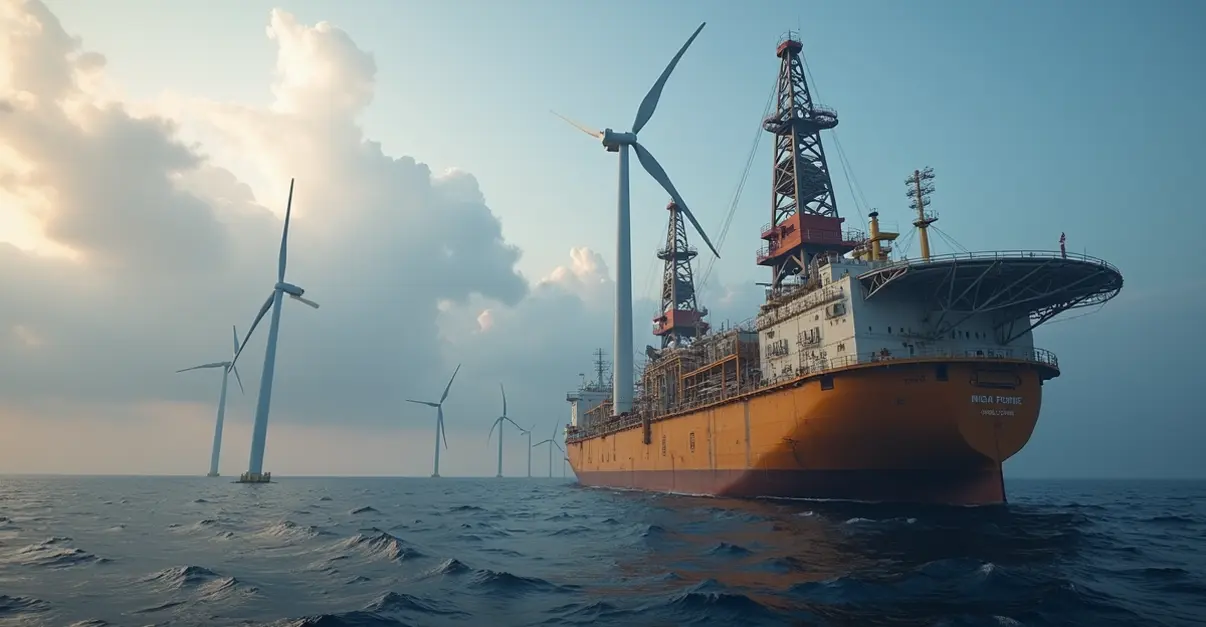





Federal Approval Paves Way for Maryland's First Offshore Wind Farm
In a landmark decision for America's clean energy transition, federal regulators have granted final approval for a massive 2.2-gigawatt offshore wind project off the coast of Maryland. The Bureau of Ocean Energy Management (BOEM) issued the crucial permit on December 3, 2024, clearing the way for what will become Maryland's first offshore wind installation and the tenth commercial-scale offshore wind farm approved in the United States.
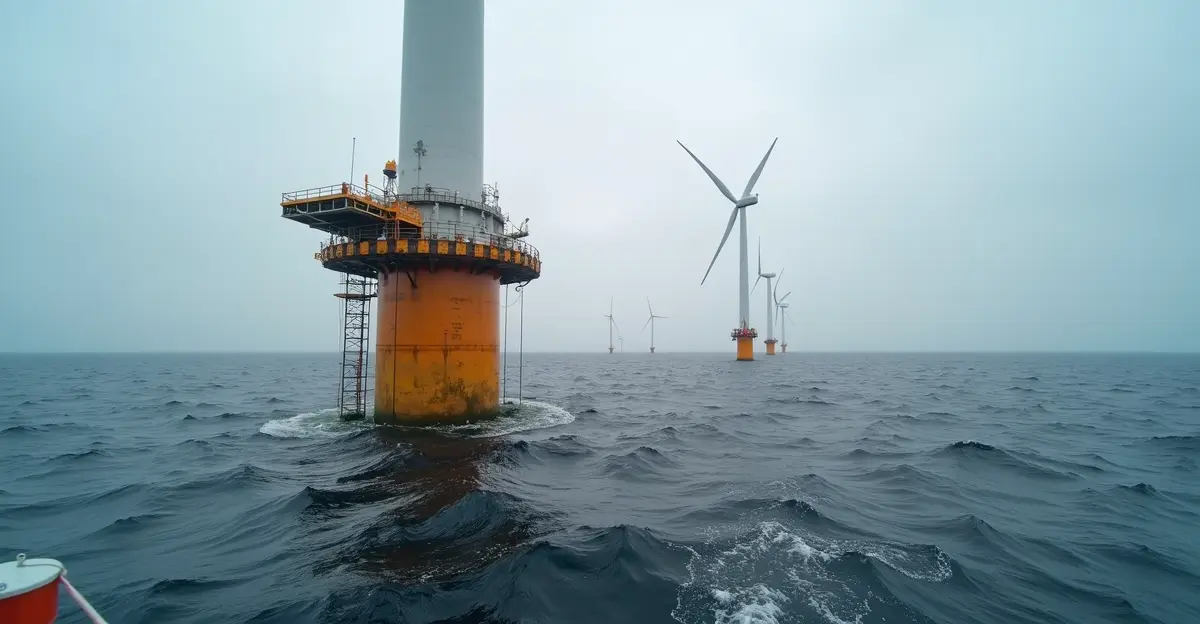
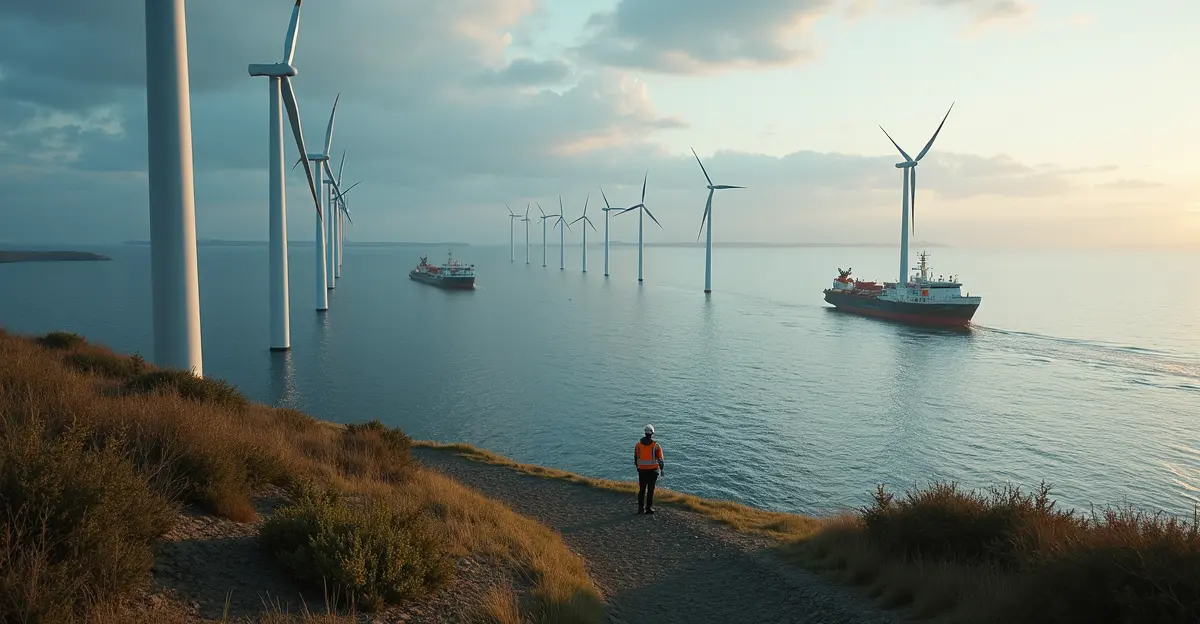
The Maryland Offshore Wind Project, developed by US Wind Inc., represents a $25 billion investment in America's renewable energy future. Located approximately 10 nautical miles offshore from Ocean City, the project will feature up to 114 wind turbine generators across a 79,707-acre lease area in federal waters. When fully operational, it's expected to power over 718,000 homes on the Delmarva Peninsula with clean electricity.
Grid Infrastructure: The Backbone of Clean Energy Delivery
The approval comes with significant grid upgrade requirements that will transform regional energy infrastructure. According to the National Offshore Wind transmission study, coordinated transmission solutions are essential for efficiently delivering offshore wind energy to population centers. The Maryland project will include four offshore substations and up to four offshore export cable corridors with subsea transmission cables making landfall in Sussex County, Delaware.
These grid enhancements are part of a broader Atlantic Coast transmission strategy that the National Renewable Energy Laboratory (NREL) has been studying. Their research shows that offshore transmission networks can reduce wind curtailment, lower generator costs, and enhance grid reliability while offering benefits that outweigh costs by a ratio of 2:1 or more.
'The grid upgrades required for this project represent a critical investment in America's energy future,' said energy analyst Mark Richardson. 'We're not just building wind turbines—we're building the backbone of a modern, resilient electricity system.'
Environmental Review: Balancing Development and Protection
The project's environmental review process, conducted under the National Environmental Policy Act (NEPA), represents one of the most comprehensive assessments in offshore wind history. According to an analysis by Epsilon Associates, federal offshore wind permitting involves multiple agencies including BOEM, the U.S. Army Corps of Engineers, and various environmental protection bodies.
The review examined potential impacts on marine ecosystems, migratory bird patterns, commercial fishing operations, and coastal communities. Mitigation measures include seasonal construction restrictions to protect marine mammals and careful routing of transmission cables to minimize seabed disturbance.
'This approval demonstrates that we can develop clean energy while protecting our ocean resources,' commented marine biologist Dr. Sarah Chen. 'The comprehensive environmental review sets a new standard for responsible offshore development.'
Job Creation Timeline: Building an American Workforce
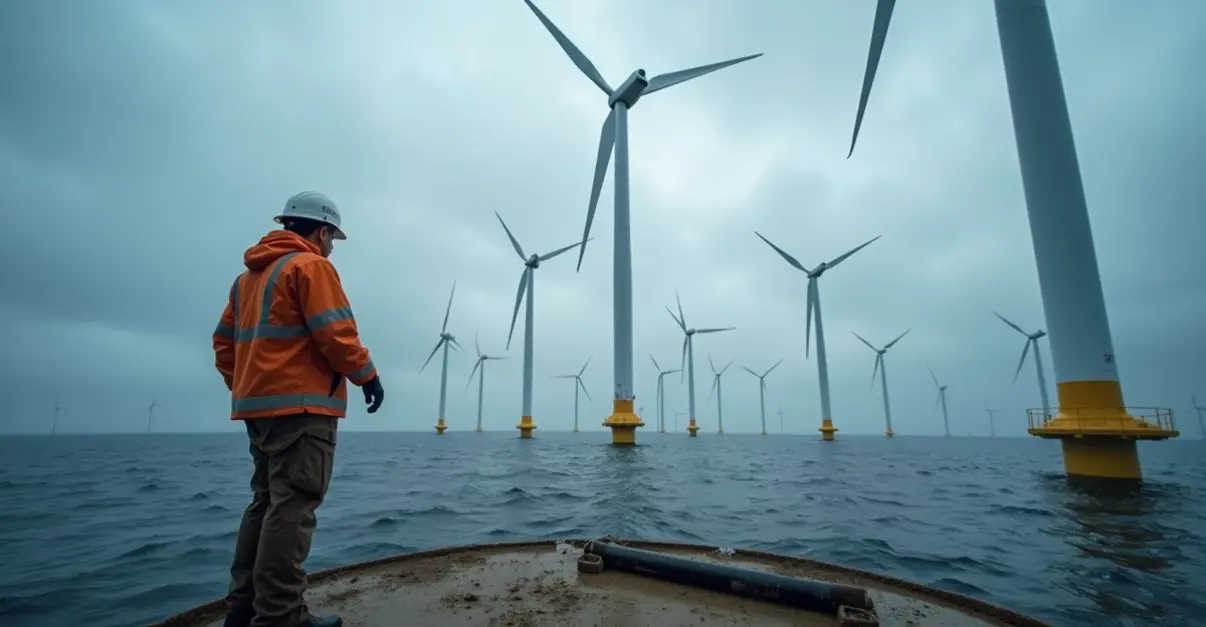
The economic impact of the project is substantial, with a job creation timeline that spans nearly a decade. During the development and construction phases over seven years, the project is expected to support nearly 2,680 jobs annually. These positions will range from skilled manufacturing and steel fabrication to marine construction and engineering roles.
According to the Oceantic Network's 2025 report, the offshore wind sector is revitalizing American industries across 40 states. The report highlights a $25 billion wave of supply chain investments and $1.8 billion in vessel orders across 21 U.S. shipyards.
US Wind has announced plans to establish a steel fabrication facility at the former Bethlehem Steel site in Dundalk, Maryland—a symbolic return to the region's industrial heritage. 'We're not just creating temporary construction jobs,' said project manager Elena Rodriguez. 'We're building a sustainable industry that will employ generations of American workers in skilled, well-paying positions.'
Project Timeline and Next Steps
The project will be developed in three phases, with groundbreaking expected in 2026 and offshore construction beginning in 2028. The first phase, MarWin (300 MW), is scheduled to deliver power by 2028, followed by Momentum Wind (808 MW) and additional capacity to reach the full 2.2 GW.
This approval comes at a critical time for America's offshore wind industry, which has faced regulatory uncertainty. A recent federal court ruling allowed work to resume on the Revolution Wind project after the Trump administration had frozen several East Coast developments over national security concerns.
The Maryland project's success will depend on continued coordination between federal agencies, state governments, and private developers. As the U.S. works toward its goal of 30 gigawatts of offshore wind by 2030, projects like this one demonstrate both the challenges and opportunities in America's clean energy transition.