Nederlands
 English
 Deutsch
 Français
 Español
 Português






Major Perovskite Manufacturing Facility Announced for U.S. Solar Industry
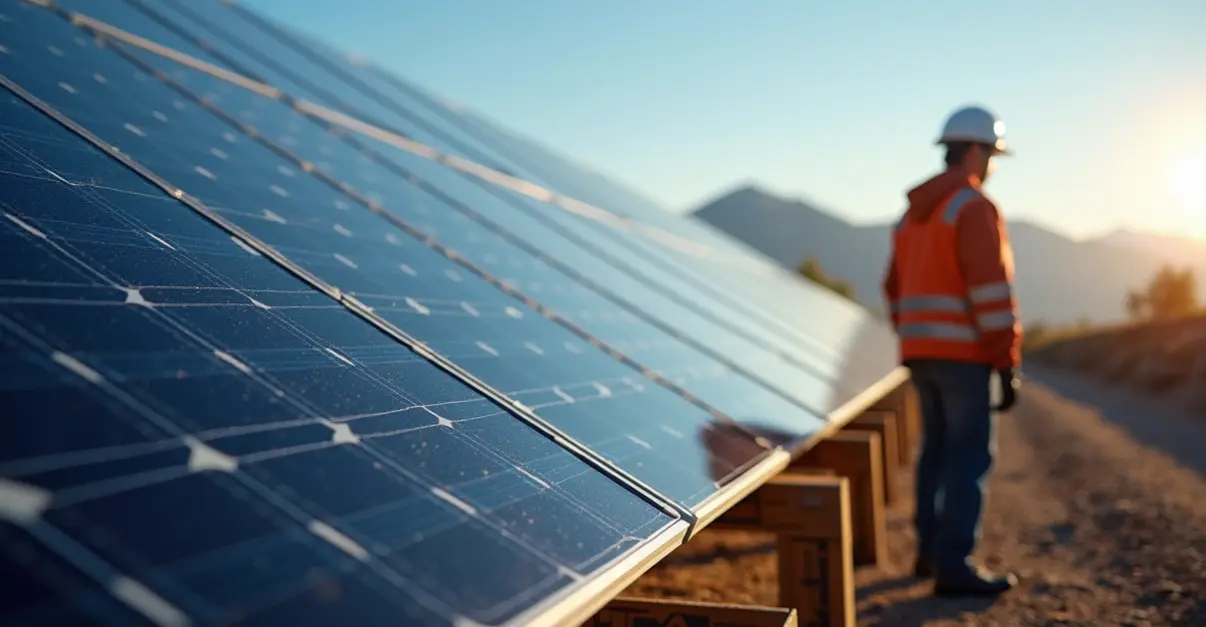
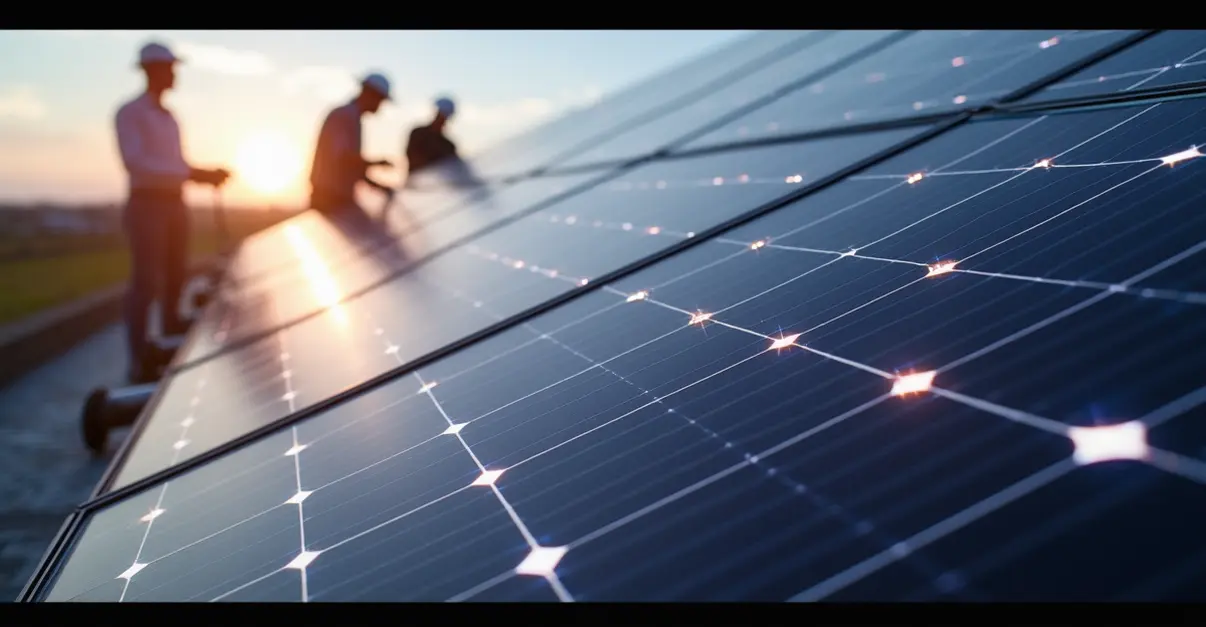
In a significant move for the renewable energy sector, a new commercial-scale perovskite solar panel manufacturing plant has been announced, marking a pivotal step toward the mass commercialization of this promising photovoltaic technology. The facility, which represents a multi-million dollar investment, aims to address critical challenges in durability testing while potentially reshaping global solar supply chains.
Commercialization Prospects and Durability Breakthroughs
Perovskite solar cells have achieved remarkable laboratory efficiencies exceeding 27% for single-junction devices and surpassing 34% in perovskite-silicon tandem configurations, according to recent research published in ScienceDirect. However, the transition from laboratory research to commercial deployment has been hampered by stability concerns related to moisture, heat, and light exposure.
The new manufacturing facility will implement advanced durability testing protocols that go beyond traditional stress tests. As noted in a Nature Energy perspective, existing stress tests don't adequately predict field performance for new materials like perovskites. The plant will employ a 'durability learning cycle' integrating photovoltaic module engineering with field testing, accelerated testing, and preconditioning.
'We're not just chasing higher efficiencies anymore - we're building modules that can withstand real-world conditions for decades,' said Dr. Elena Rodriguez, a materials scientist involved in the project. 'This facility represents a paradigm shift in how we approach perovskite commercialization.'
Supply Chain Implications and Domestic Production
The announcement comes as the solar industry seeks to reduce dependence on foreign manufacturers, particularly China. According to PR Newswire, Tandem PV recently raised $50 million to construct a commercial-scale manufacturing facility in the U.S., aiming to help re-establish American leadership in renewable technology innovation.
The new plant will source materials through diversified supply chains, addressing concerns about critical minerals like lead and tin. Research published in the Royal Society of Chemistry highlights advances in tin halide perovskite solar cells as eco-friendly alternatives to lead-based perovskites, achieving efficiencies exceeding 17%.
'This facility isn't just about making solar panels - it's about building a resilient domestic supply chain for next-generation photovoltaics,' explained manufacturing director Michael Chen. 'We're working with multiple suppliers for key materials and developing recycling protocols for end-of-life modules.'
Industry Momentum and Market Impact
The perovskite rollout is gathering significant momentum in 2025. PV Magazine reports that at least five major solar companies have showcased perovskite-silicon tandem prototypes at industry events, with manufacturers addressing previous stability concerns through improved encapsulation and advanced testing protocols.
Texas has also launched a major $130 million perovskite solar panel manufacturing facility in Chambers County through a partnership between ASC Global Inc. and Everpower Energy, as detailed by Solar Vision. The facility will have an initial production capacity of 100MW and create over 100 jobs while generating approximately $200 million annually.
The new plant's technology features perovskite layers 200 times thinner than silicon and requires only 10% of the energy needed for conventional panel production, according to industry data. This significantly reduces manufacturing energy use while producing panels that are 30% more powerful than average silicon panels.
Future Outlook and Environmental Considerations
While perovskite solar cells offer tremendous potential for low-cost, high-efficiency solar energy, concerns about lead toxicity remain a significant hurdle. According to Wikipedia, managing toxic lead in perovskite solar cells is essential as exposure presents significant health risks, including neurological disorders.
The manufacturing facility will implement strict containment and recycling measures for lead-based materials while actively researching lead-free alternatives. Research into tin-lead alloyed perovskite materials, as discussed in another ScienceDirect article, shows promise for advancing all-perovskite tandem solar cells with reduced environmental impact.
'We're at a tipping point for perovskite technology,' concluded renewable energy analyst Sarah Johnson. 'This manufacturing plant represents more than just another factory - it's a critical step toward making high-efficiency, durable solar panels accessible worldwide while building sustainable supply chains for the clean energy transition.'