


 Deutsch
 English
 Español
 Français
 Nederlands
 Português


 Share
Share




The Russian economy may be in far worse shape than the Kremlin's official statistics suggest, according to a new report from the Swedish intelligence service. While President Vladimir Putin has acknowledged a GDP contraction of nearly 2% in the first months of 2025, independent analysts warn the real situation is much more severe, with inflation potentially reaching 15-20% and public discontent on the rise.
Russia correspondent Joost Bosman says the unreliability of Russian economic data is nothing new. 'The statistical agency has not been providing accurate data for some time,' he explains. Official inflation figures hover around 6%, but the Swedish intelligence service estimates the true rate could be between 15% and 20%. This discrepancy is fueling growing frustration among ordinary Russians.
Why Russian Economic Data Is Unreliable
Russia's state statistics service, Rosstat, has faced accusations of manipulating economic data since the 2022 invasion of Ukraine. Key indicators such as inflation, GDP growth, and unemployment are often presented in a more favorable light than reality. The impact of Western sanctions on Russia has compounded the problem, making accurate data collection and reporting even more challenging.
According to Bosman, the economic pressure is clearly felt by the population. Beyond rising prices, internet restrictions are hurting businesses. Blockages of platforms like Telegram have caused operational damage, with some companies facing collapse and workers losing their incomes.
Inflation: A Greater Concern Than War Casualties
Rusland analyst Joris van Bladel of the Egmont Royal Institute for International Relations argues that the war in Ukraine is affecting Russian society primarily through the economy. 'The rising cost of living plays a larger role for the stability of society than the number of casualties at the front,' he says.
Although the death toll is high — estimated between 300,000 and 350,000 — it is the economic pressure that worries the Kremlin most. Van Bladel emphasizes that the West often expects major losses to automatically lead to unrest in Russia, but that picture is incorrect.
Real Inflation vs Official Figures
| Metric | Official Figure | Estimated Real Figure |
|---|---|---|
| GDP Growth (Q1 2025) | -2% (acknowledged by Putin) | Potentially worse |
| Inflation Rate | ~6% | 15-20% |
| War Casualties | Not officially disclosed | 300,000-350,000 |
'We are often guided by our own expectations, and that is a problem for our analysis,' Van Bladel says. According to him, Russian society can tolerate casualties, while rising prices and economic problems directly affect people's daily lives.
High Salaries and Bonuses for Soldiers
To recruit soldiers, Russia is offering high salaries and bonuses. People from poorer regions are particularly likely to sign up. 'That is a rational choice, because for the first time they have the opportunity to improve their financial situation,' says Van Bladel.
However, Bosman notes that the benefits are limited in practice. Soldiers often have to pay for leave, medical care, or to avoid certain tasks. 'On balance, they don't gain much,' he says. The economic impact of the Ukraine war extends far beyond the battlefield, affecting every aspect of Russian life.
Putin's Meeting Avoids the Elephant in the Room
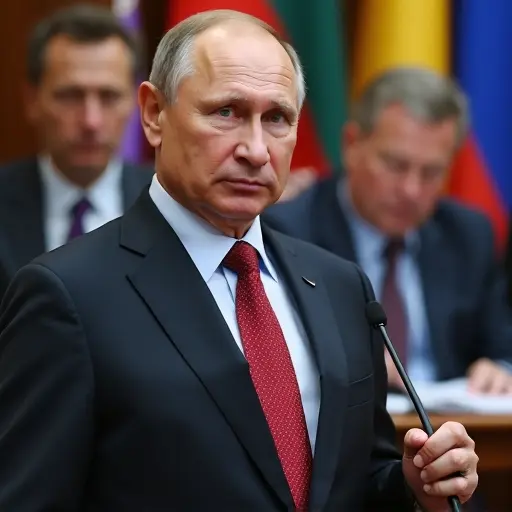
During a recent meeting with ministers and business leaders, Putin discussed the poor economic situation. According to Bosman, the main cause remained unaddressed. 'There was one big elephant in the room: the war in Ukraine. They didn't talk about it.'
The combination of high inflation, unreliable data, and growing public discontent poses a significant challenge for the Kremlin. While the regime has so far maintained stability, analysts warn that the economic pressure could eventually lead to broader social unrest. The future of Russia's economic stability remains uncertain as the war continues to drain resources.
FAQ
Is the Russian economy actually shrinking?
Yes, President Putin acknowledged a GDP contraction of nearly 2% in early 2025, but independent analysts believe the real decline may be larger due to unreliable official statistics.
What is the real inflation rate in Russia?
Official figures put inflation at around 6%, but the Swedish intelligence service estimates it could be between 15% and 20%.
Why are Russian economic figures unreliable?
Russia's statistical agency has been accused of manipulating data since the 2022 invasion of Ukraine, with key indicators often presented more favorably than reality.
How is the war in Ukraine affecting the Russian economy?
The war has led to extensive Western sanctions, high military spending, labor shortages, brain drain, and rising inflation, all of which strain the economy.
Is public discontent growing in Russia?
Yes, according to Russia correspondent Joost Bosman, complaints are increasing as rising prices and internet restrictions affect daily life and business operations.
Sources
This article is based on reporting from BNR Nieuwsradio, analysis by Russia correspondent Joost Bosman, and insights from Rusland analyst Joris van Bladel of the Egmont Royal Institute for International Relations. Additional context from Wikipedia's 'Economy of Russia' page.



Follow Discussion