Deutsch
 English
 Español
 Français
 Nederlands
 Português

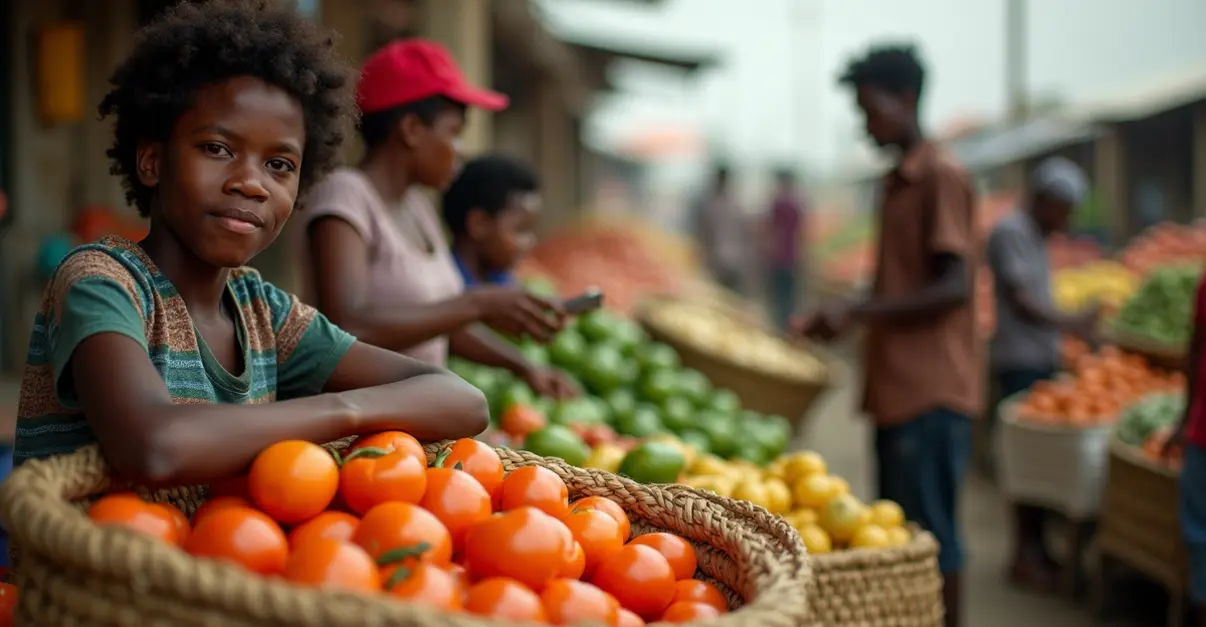





Global Food Markets on Edge as Export Controls Trigger Price Alerts
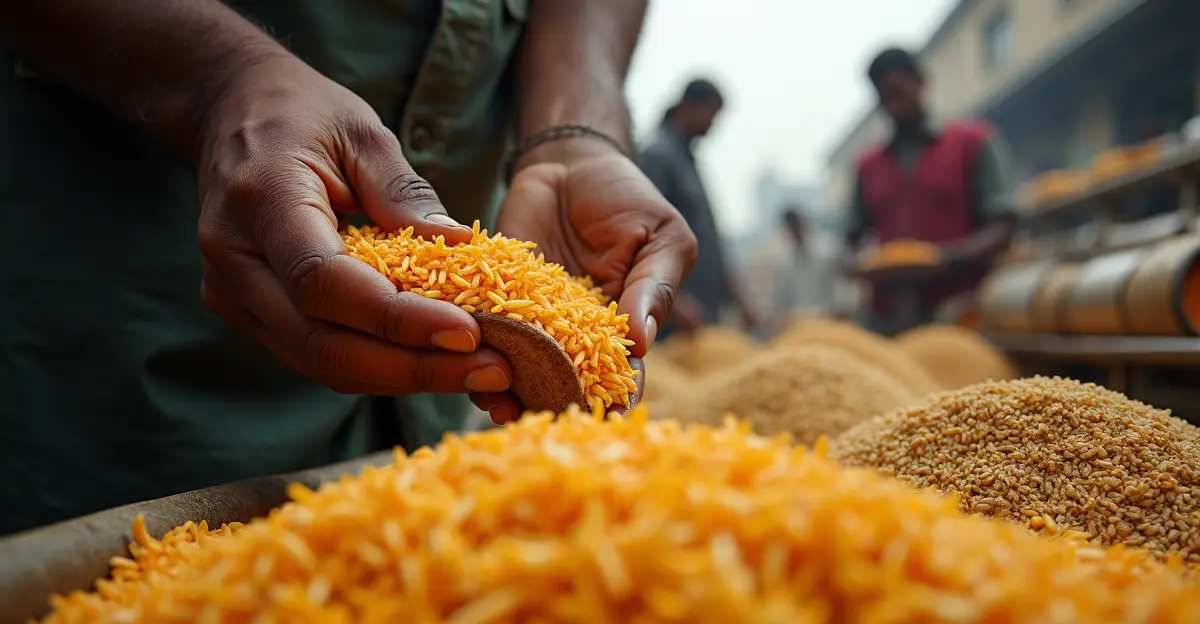
Global food markets are facing renewed volatility as export controls implemented by key agricultural nations have triggered widespread price alerts across international monitoring systems. The situation has economists and humanitarian organizations warning of potential consumer price spikes and heightened risks for vulnerable populations worldwide.
The Current Market Landscape
According to recent data from the World Bank, global food commodity prices declined 4% in the first four months of 2025 compared to 2024, driven by improved production prospects in major exporting countries. However, this positive trend masks underlying vulnerabilities. 'While we've seen some price moderation, the global food system remains fragile,' says Dr. Maria Chen, senior economist at the International Food Policy Research Institute. 'Export restrictions can quickly reverse these gains and push millions into food insecurity.'
Export Restrictions: A Growing Concern
The Food and Fertilizer Export Restrictions Tracker maintained by IFPRI shows 30 active export control measures as of October 2025. Recent restrictions include Armenia's wheat and grain bans, China's urea fertilizer quotas, Uzbekistan's export duties on flour, rice, and wheat, and Ukraine's soybean and rapeseed duties. These measures, while often implemented to secure domestic supplies, create artificial shortages in global markets.
'When major exporters restrict trade, it creates a domino effect,' explains agricultural trade analyst James Peterson. 'Other countries panic and implement their own restrictions, leading to reduced market availability and increased price volatility that hurts everyone, especially low-income import-dependent nations.'
Consumer Impact and Humanitarian Risks
The State of Food Security and Nutrition in the World 2025 report highlights how food price inflation disproportionately affects vulnerable populations. While global hunger has declined overall, it has risen in Africa and western Asia. The report emphasizes that despite persistent food price inflation, the situation is not insurmountable with proper policy interventions.
According to UN data, world food prices declined for the fourth consecutive month in December 2025, reaching their lowest average since January 2025. However, for the full year 2025, the FAO Food Price Index averaged 127.2 points, representing a 4.3% increase from 2024. 'The numbers tell a complex story,' notes FAO economist Sarah Johnson. 'While monthly declines are encouraging, the year-over-year increase shows underlying pressures that export restrictions could exacerbate.'
Regional Vulnerabilities and Market Responses
Countries in Africa and the Middle East remain particularly vulnerable to export restrictions. Egypt, Turkey, and Somalia rely heavily on wheat imports from Ukraine and Russia, making them susceptible to supply disruptions. The OECD's latest inventory report shows a significant decline in global export restrictions on staple crops, indicating improved international trade conditions. However, experts warn this positive trend could reverse quickly during market stress.
'We've learned from past crises that export restrictions are counterproductive,' says World Bank food security specialist David Miller. 'They may provide short-term domestic relief but create long-term global problems. The 2022-2023 food crises showed how quickly protectionist measures can spiral into humanitarian emergencies.'
Looking Ahead: 2026 Projections
The World Bank forecasts food prices to decline by 7% in 2025 and remain broadly stable in 2026, though risks remain from global growth concerns, extreme weather events, and trade policy uncertainty. Global grain supplies are projected to reach a record 3.6 billion tons in 2025-26, marking a third consecutive year of growth. However, tighter stock levels could heighten grain price volatility, making prices more sensitive to potential shocks.
'The key is international cooperation and transparency,' emphasizes UN food security coordinator Amina Hassan. 'When countries communicate their intentions and coordinate responses, we can avoid the panic-driven restrictions that hurt the most vulnerable. Monitoring systems like IFPRI's tracker are essential for early warning and prevention.'
As markets navigate these challenges, consumers worldwide are advised to prepare for potential price fluctuations while humanitarian organizations strengthen emergency response systems for regions most at risk from food insecurity triggered by trade disruptions.