


 Deutsch
 English
 Español
 Français
 Nederlands
 Português


 Share
Share




What is the Teatro Sannazaro Fire?
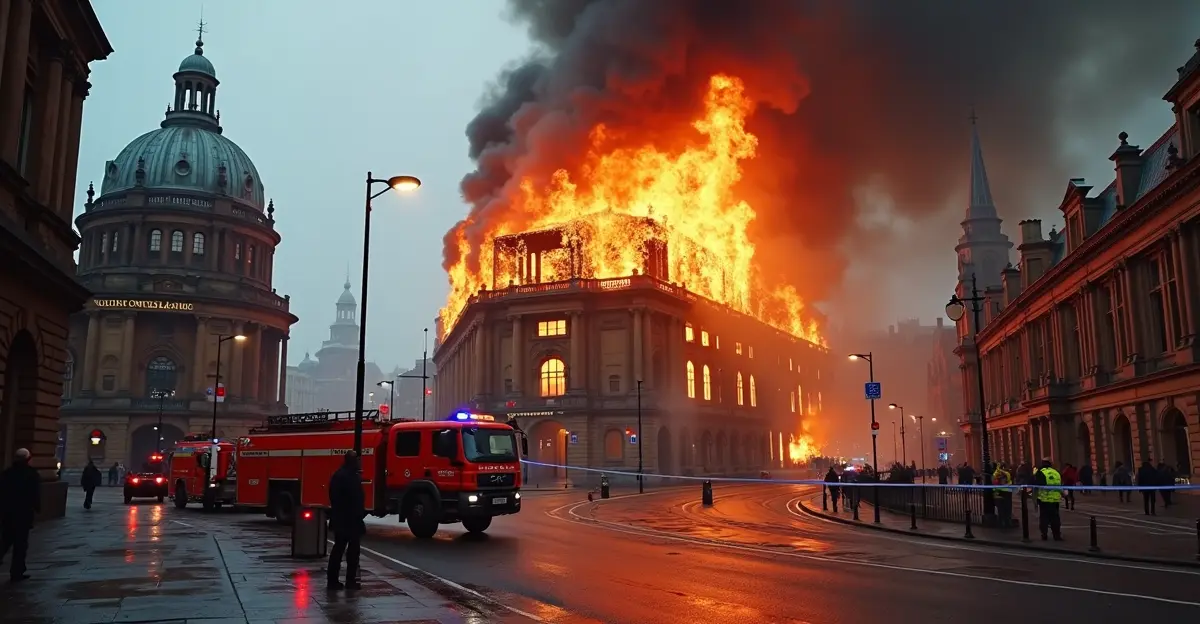
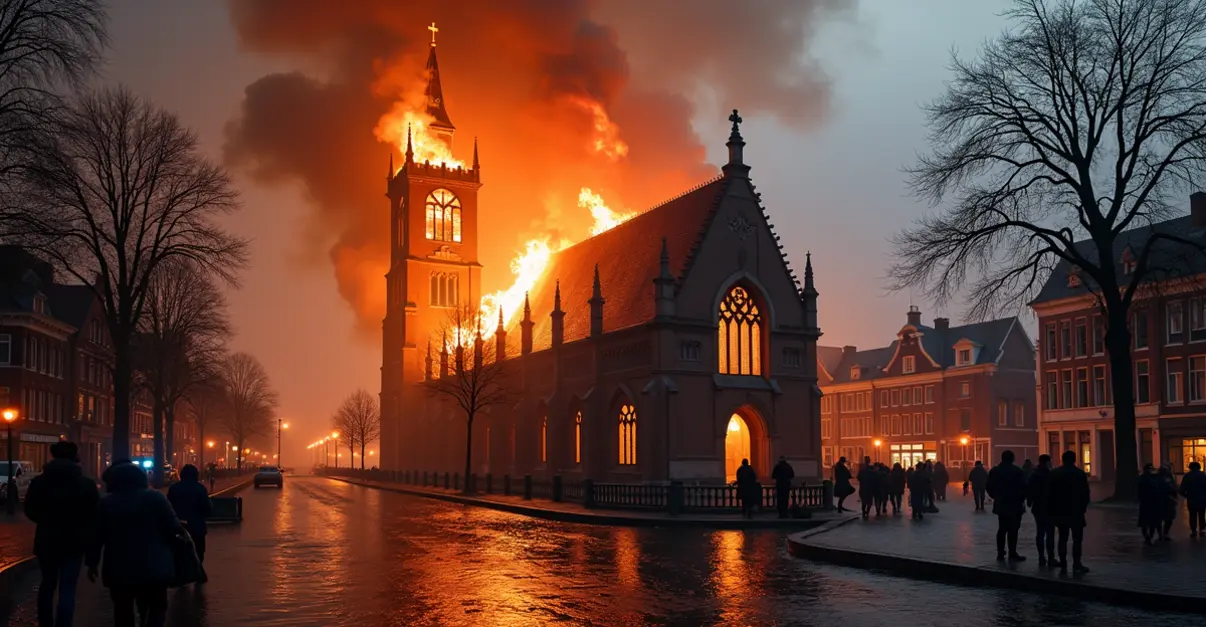
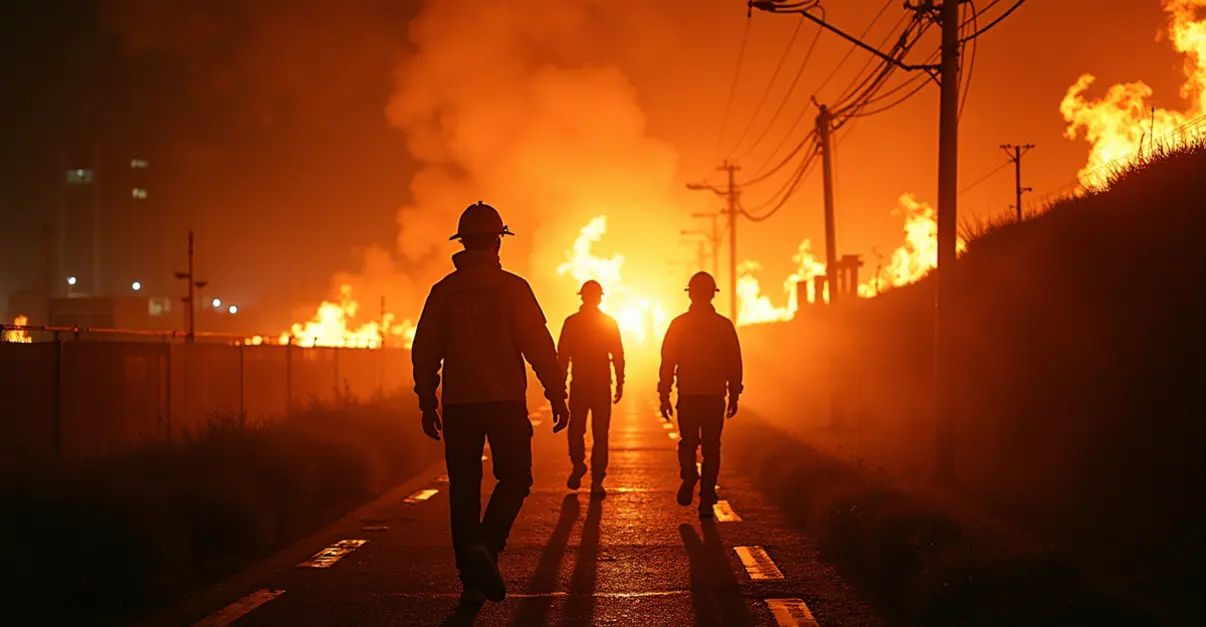
A devastating fire has completely destroyed the historic Teatro Sannazaro in Naples, Italy, on February 17, 2026, marking one of the most significant cultural heritage losses in recent European history. The blaze, which started in the early morning hours around 6:00-6:30 AM, caused the theater's iconic dome to collapse onto the auditorium below, gutting the interior and leaving only the external structure standing. Fire officials have described the 1847-built theater as 'completely devastated' with 'very little remaining' of the cultural landmark that has been a cornerstone of Neapolitan theatrical life for nearly 180 years.
Historical Significance and Background
The Teatro Sannazaro, affectionately known as the 'Bomboniera di Via Chiaia' (Jewel of Via Chiaia), was inaugurated on December 26, 1847, on the site of a former Mercedarian Fathers cloister near the Church of Sant'Orsola. Designed by architect Fausto Niccolini for Duke Giulio Mastrilli, the theater opened with Henri Meilhac's 'La Petite Marquise' and quickly became a cultural hub featuring elegant stucco and gold decorations by Vincenzo Paliotti. Throughout its illustrious history, the theater hosted legendary performers including Eleonora Duse, Eduardo Scarpetta, and the De Filippo brothers, making it an integral part of Italian cultural heritage preservation efforts.
In 1888, the Teatro Sannazaro became Naples' first electrically lit theater, showcasing its innovative spirit. After a period of decline in the 1930s-40s, it was revived in the 1970s by Nino Veglia and Luisa Conte and continued operating as a Ministry of Culture-recognized production center until the tragic fire. The theater's intimate auditorium with red velvet seats and multiple balconies had preserved original white and gold decorations with frescoed ceilings, making its loss particularly devastating for cultural historians.
Fire Details and Emergency Response
How the Fire Started and Spread
Preliminary investigations suggest the fire was caused by an electrical short circuit, though authorities are continuing their investigation. The blaze reportedly started in an adjacent apartment block in the affluent Chiaia district before rapidly spreading to the 19th-century wood-framed theater. Firefighters battled the inferno for hours as massive smoke columns became visible throughout Naples, creating a dramatic scene in the historic city center.
Evacuation and Casualties
The fire forced the evacuation of approximately 60 residents from surrounding buildings, with 22 families displaced from their homes. Four people suffered smoke inhalation and were transported to local hospitals for treatment, though fortunately there were no deaths or serious injuries reported. Fire Commander Giuseppe Paduano stated that firefighters successfully prevented the blaze from spreading to other historic buildings in the densely populated area, a significant achievement given the fire safety challenges in historic districts.
Official Responses and Reconstruction Plans
Naples Mayor Gaetano Manfredi visited the scene and hugged theater owner Lara Sansone, calling the loss 'a deep wound' to the city's history and culture. In an official statement, Manfredi declared: 'Napels vergeet zijn culturele erfgoed niet en laat de mensen die het iedere dag tot leven brengen niet in de steek' (Naples does not forget its cultural heritage and does not abandon the people who bring it to life every day). He pledged full city support for reconstruction efforts.
Culture Minister Alessandro Giuli and Campania Governor Roberto Fico have both pledged government involvement in rebuilding the cultural landmark. The regional and national governments are coordinating to develop a comprehensive reconstruction plan that will likely involve:
- Structural assessment of remaining elements
- Archival research to recreate original designs
- Modern fire safety integration while preserving historical authenticity
- Community fundraising initiatives
- International cultural heritage support
Impact on Cultural Heritage Protection
The Teatro Sannazaro fire highlights the ongoing vulnerability of historic buildings to fire risks, particularly those with 19th-century wood construction and outdated electrical systems. This tragedy follows other recent cultural heritage losses in Europe and raises critical questions about fire prevention in protected historical sites. Italy has developed specific technical rules for cultural buildings within its Fire Prevention Code, but incidents like this demonstrate the need for enhanced heritage building fire safety protocols.
The SAFEng PC research project, a collaboration between universities, fire brigades, and cultural institutions, represents the type of specialized approach needed to protect cultural heritage. This project involves testing watermist systems on actual art materials to evaluate humidity impact and fire control effectiveness while protecting delicate historical materials. Similar to the challenges faced after the Notre Dame Cathedral fire restoration, the Teatro Sannazaro reconstruction will require balancing modern safety standards with historical authenticity.
Frequently Asked Questions (FAQ)
What caused the Teatro Sannazaro fire?
Preliminary investigations indicate the fire was caused by an electrical short circuit, though official investigations are ongoing. The blaze started in an adjacent apartment building before spreading to the theater.
How old was the Teatro Sannazaro?
The theater was 179 years old, having opened in 1847. It was one of Naples' oldest continuously operating theaters until the fire.
Will the theater be rebuilt?
Yes, Naples Mayor Gaetano Manfredi, Culture Minister Alessandro Giuli, and Campania Governor Roberto Fico have all pledged support for reconstruction. The theater owner has also committed to rebuilding this cultural landmark.
Were there any casualties?
Four people suffered smoke inhalation and were hospitalized, but there were no deaths or serious injuries reported from the fire.
What made Teatro Sannazaro historically significant?
The theater hosted legendary Italian performers, was Naples' first electrically lit theater (1888), preserved original 19th-century decorations, and served as a cultural hub for nearly 180 years.

Follow Discussion