


 Deutsch
 English
 Español
 Français
 Nederlands
 Português


 Share
Share




New Zealand Storm 2026: 30,000 Without Power, Flights Canceled, Sewage Crisis
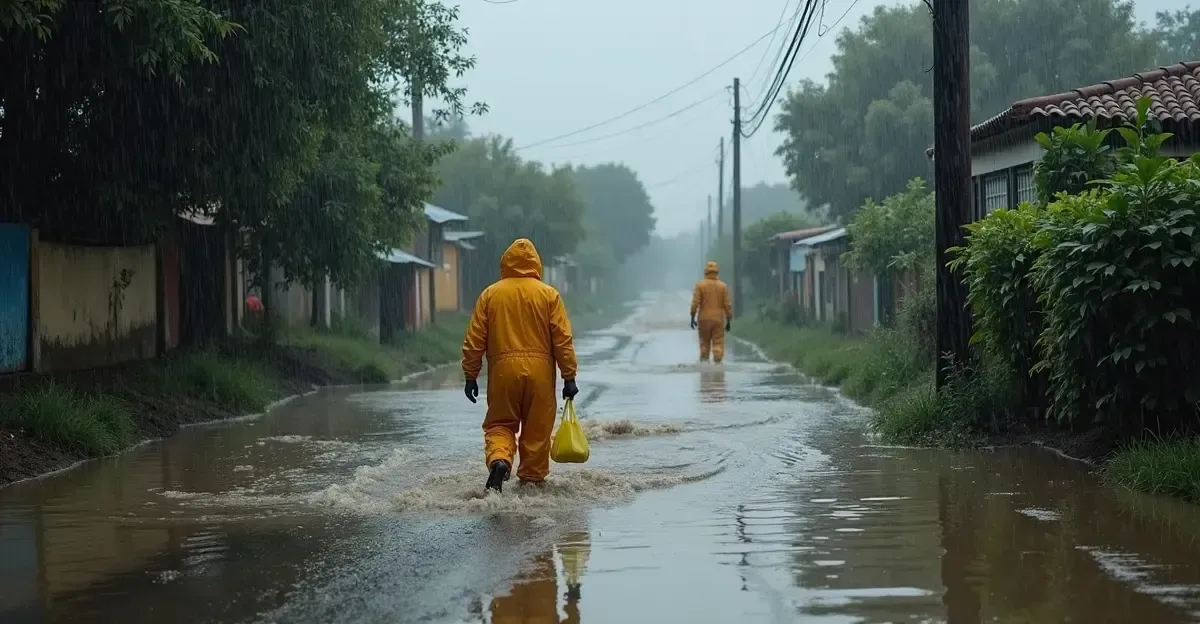
A severe storm has battered New Zealand's North Island on February 16, 2026, leaving approximately 30,000 people without electricity, disrupting air and rail travel, and creating a sewage contamination crisis in the capital city of Wellington. The extreme weather event has prompted emergency declarations in multiple districts as heavy rain and powerful winds continue to wreak havoc across the region.
What is Happening in New Zealand?
The storm system, which began impacting New Zealand's lower North Island on February 15, has intensified throughout the weekend, bringing unprecedented wind speeds and torrential rainfall. Wellington recorded an extremely unusual wind gust of 193 km/h (120 mph), while emergency services received 852 calls overnight related to storm damage. The situation represents one of the most significant weather emergencies New Zealand has faced in recent years, following similar extreme weather events in Europe earlier this winter.
Infrastructure Damage and Power Outages
The storm has caused widespread infrastructure failures across the affected regions. Approximately 10,000 properties in Wellington alone are without power, with an additional 20,000 outages reported across other areas of the North Island. Power companies are working to restore electricity, but downed trees and damaged power lines are complicating repair efforts.
Transportation Disruptions
Major transportation networks have been severely impacted by the storm:
- Wellington, Napier, and Palmerston North airports have suspended operations
- Air New Zealand has paused all flights at affected airports
- Train services throughout the region have been canceled
- Cook Strait ferry crossings have been suspended
- Major roads are closed due to flooding and debris
One particularly dangerous situation involves approximately 20 vehicles trapped behind a mudslide on a major roadway. Emergency services, including military helicopters, are attempting to reach those stranded.
Sewage Contamination Crisis
The storm has exacerbated an existing environmental crisis in Wellington. Earlier this month, the city's main wastewater treatment plant failed, causing raw sewage to flow into the sea. The current storm has washed this contaminated water back onto Wellington's south coast, creating what residents are calling a "poonami" – a sewage tsunami.
"The situation is absolutely terrifying," one Wellington resident reported on social media. "We've never seen tree damage like this before, and now we're dealing with sewage washing back onto our beaches."
This environmental disaster mirrors concerns about water pollution issues in coastal communities worldwide, highlighting the vulnerability of aging infrastructure to extreme weather events.
Emergency Response and Warnings
States of emergency have been declared in five districts as authorities coordinate response efforts. Fire and Emergency New Zealand has deployed additional resources to handle the hundreds of emergency calls, while MetService continues to issue severe weather warnings.
Key Safety Recommendations:
- Avoid unnecessary travel in affected regions
- Stay away from coastal areas due to sewage contamination
- Prepare for extended power outages with emergency supplies
- Monitor official weather updates from MetService
- Check on vulnerable neighbors and community members
Climate Context and Future Outlook
This storm follows a series of deadly weather events in New Zealand, including recent landslides that killed nine people. Meteorologists note that such extreme weather patterns are becoming more frequent and intense, consistent with global climate change trends. The storm is expected to move toward the South Island's east coast in the coming days, potentially affecting additional communities.
The situation in New Zealand reflects broader concerns about climate resilience and infrastructure preparedness in the face of increasingly severe weather events worldwide.
Frequently Asked Questions (FAQ)
How many people are without power in New Zealand?
Approximately 30,000 properties have lost electricity, including 10,000 in Wellington alone.
What airports are affected by the storm?
Wellington, Napier, and Palmerston North airports have suspended operations, with Air New Zealand pausing all flights at these locations.
What is the "poonami" in Wellington?
The term refers to sewage washing back onto Wellington's coast after the storm pushed contaminated water from a failed wastewater treatment plant back to shore.
Are there any fatalities from the storm?
One fatality has been confirmed, with emergency services responding to hundreds of incidents across the affected regions.
How long will the storm last?
The storm is expected to continue affecting the North Island through February 17 before moving toward the South Island's east coast.

Follow Discussion