


 Deutsch
 English
 Español
 Français
 Nederlands
 Português


 Share
Share




Breaking: Cyclone Gezani Devastates Madagascar, Killing 20+
Cyclone Gezani has struck Madagascar with catastrophic force, killing at least 20 people and injuring 33 others in one of the most destructive storms to hit the island nation in recent years. The Category 3 equivalent cyclone made landfall on Tuesday night, February 10, 2026, in the port city of Toamasina with winds exceeding 195 kilometers per hour (121 mph), causing widespread destruction across eastern Madagascar. The storm has damaged or destroyed 75% of Toamasina's infrastructure, with 15 people still missing and 2,700 evacuated from their homes.
What is Cyclone Gezani?
Cyclone Gezani is a powerful tropical cyclone that formed in the Indian Ocean during the 2026 Southern Hemisphere cyclone season. The storm intensified rapidly on February 9, reaching Category 3 status with winds of 125 mph before making landfall in Madagascar. This marks the second major cyclone to hit Madagascar in just two weeks, following Tropical Cyclone Fytia which killed 12 people and displaced 31,000 in late January. The 2026 Indian Ocean cyclone season has been particularly active, with climate scientists noting increased intensity in recent years.
Devastation in Toamasina: Ground Zero of the Disaster
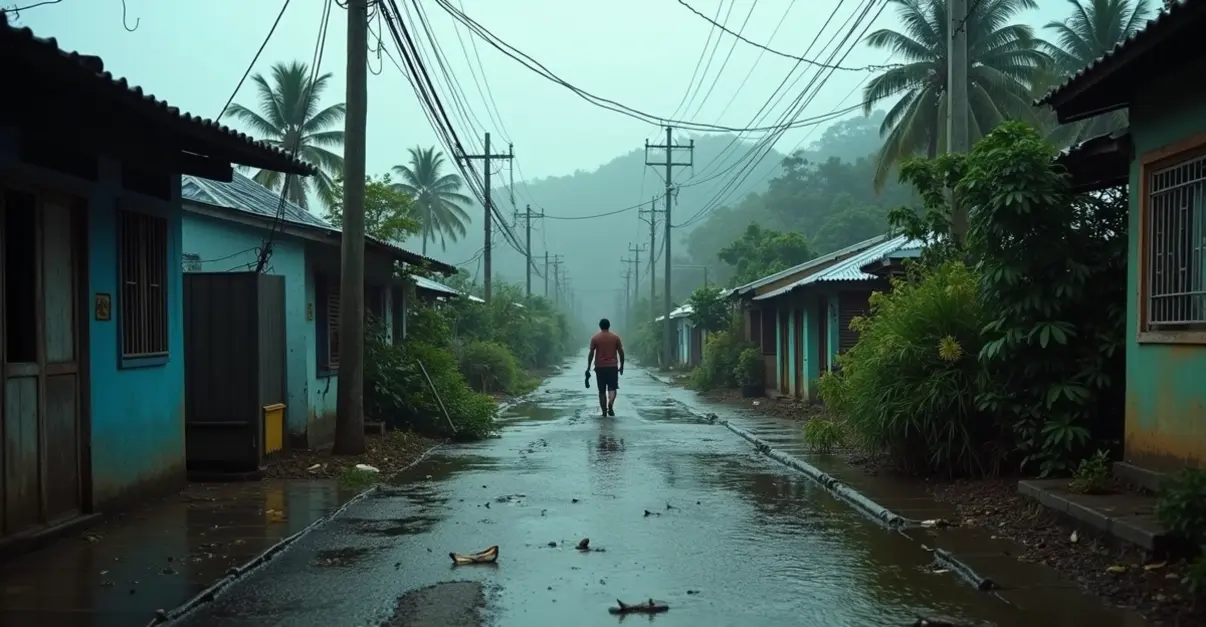
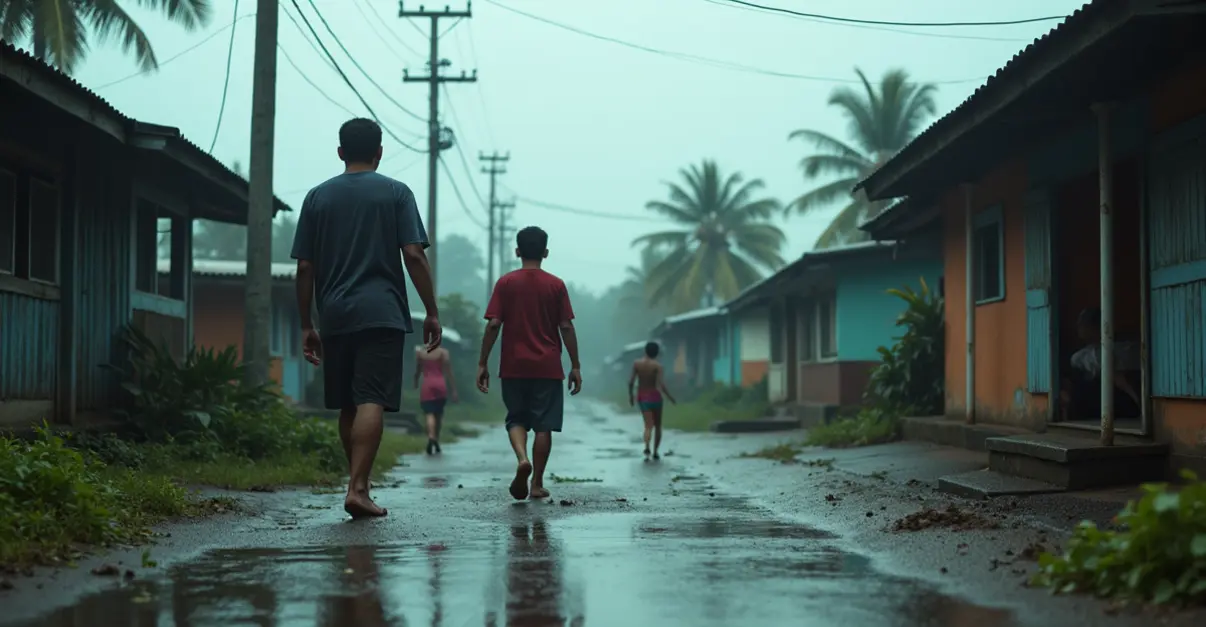
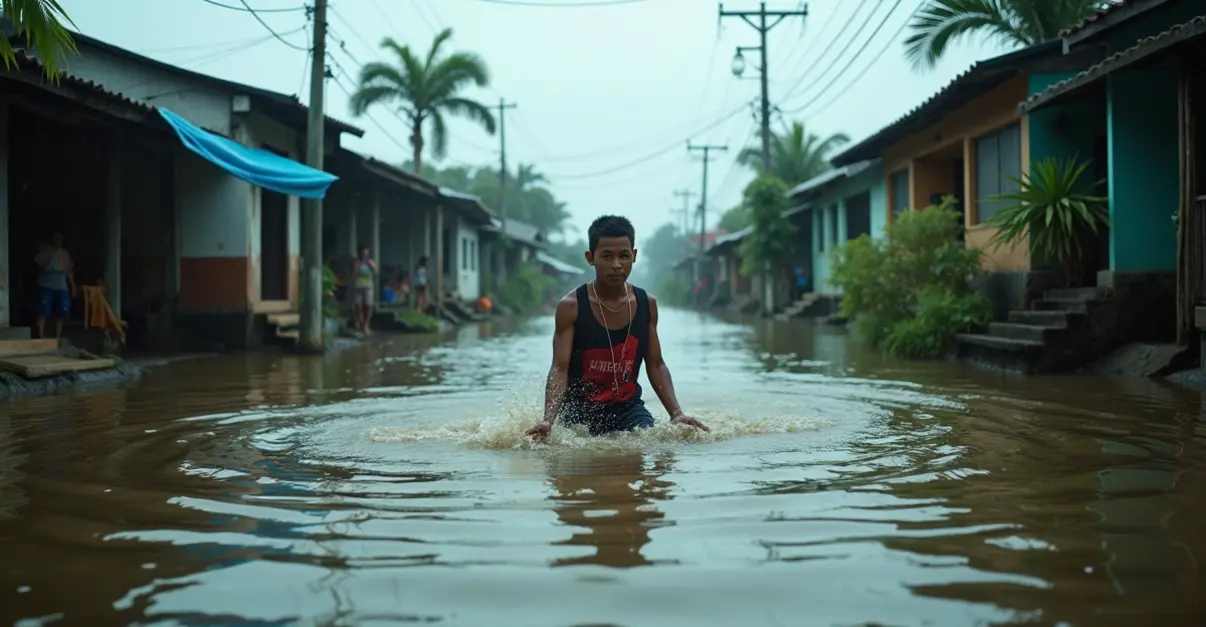
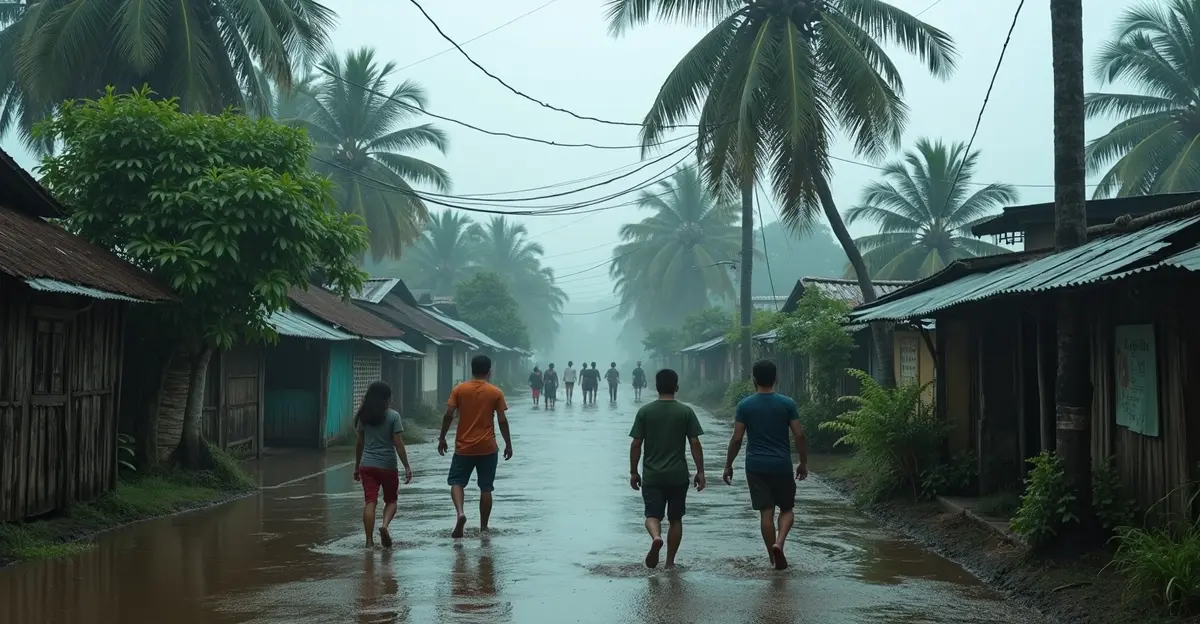
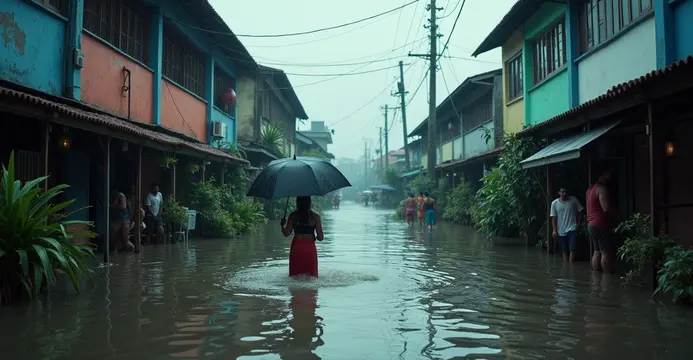
The port city of Toamasina, Madagascar's second-largest city and main seaport, bore the brunt of Gezani's fury. Local authorities report that most fatalities occurred in this region due to collapsing buildings and infrastructure failures. An AFP report from a Toamasina resident paints a grim picture: 'Everything is destroyed, roofs have been blown away, floors are flooded and the walls of solid houses have collapsed.'
Key Damage Statistics:
- 20+ confirmed deaths (reports vary from 20-31 fatalities)
- 33 people injured with varying severity
- 15 individuals still missing as search operations continue
- 2,700 people evacuated to emergency shelters
- 75% of Toamasina's infrastructure damaged or destroyed
- 18,600 houses damaged across affected regions
- 493 classrooms and 20 health facilities impacted
Current Status and Forecast: Mozambique at Risk
As of February 11, 2026, Cyclone Gezani has weakened to a tropical storm with winds of approximately 110 km/h (68 mph) as it moves westward across Madagascar. However, meteorologists warn that the storm is expected to regain strength once it enters the warm waters of the Mozambique Channel. The Mozambique weather service has issued warnings for potential impacts by February 13, with southern Mozambique particularly vulnerable.
Forecast Timeline:
- February 11-12: Gezani crosses Madagascar, weakening to tropical storm status
- February 12-13: Storm enters Mozambique Channel, begins re-intensification
- February 13-14: Potential landfall in southern Mozambique or continued movement southward
- February 15+: Possible recurvature poleward or dissipation
Humanitarian Response and Climate Context
The United Nations Central Emergency Response Fund allocated $3 million in pre-arranged financing for anticipatory action to support over 93,000 vulnerable people ahead of Gezani's landfall. This proactive approach reflects lessons learned from previous disasters in the region. Madagascar's National Office for Risk and Disaster Management had placed Analanjirofo and Atsinanana regions under red alert before the storm hit.
Climate scientists note that Madagascar's vulnerability to cyclones is increasing due to climate change, with warmer ocean temperatures fueling more intense storms. The climate change impact on cyclones in the Indian Ocean has become a growing concern for regional governments and international organizations.
Frequently Asked Questions (FAQ)
How many people died in Cyclone Gezani?
At least 20 people have been confirmed dead, though reports from different sources range from 20-31 fatalities. The death toll may rise as search and rescue operations continue in remote areas.
Where did Cyclone Gezani make landfall?
Cyclone Gezani made landfall in Toamasina, Madagascar's main port city on the eastern coast, on Tuesday night, February 10, 2026.
Is Mozambique at risk from Cyclone Gezani?
Yes, forecast models indicate Gezani will re-intensify in the Mozambique Channel and could threaten southern Mozambique by February 13-14, 2026.
How does this compare to previous Madagascar cyclones?
Gezani is one of the most intense cyclones to hit Madagascar since Cyclone Geralda in 1994, which killed 200 people. It follows closely after Tropical Cyclone Fytia in January 2026.
What is being done to help victims?
The UN has allocated $3 million for emergency response, Madagascar's government has activated disaster protocols, and international aid organizations are mobilizing resources for the affected regions.
Follow Discussion