


 Deutsch
 English
 Español
 Français
 Nederlands
 Português


 Share
Share




Comprehensive Damage Assessment Published for Recent Tropical Cyclones
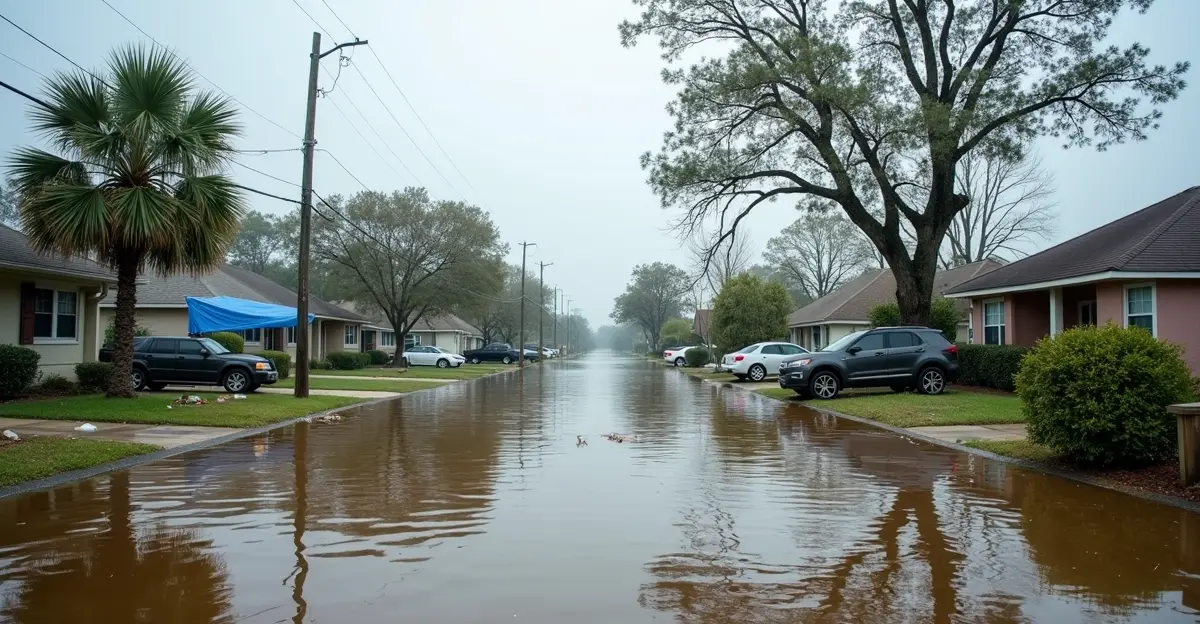
A comprehensive damage assessment report for recent tropical cyclones has been published, revealing staggering reconstruction needs and highlighting the critical role of insurance claims in disaster recovery. The assessment, which covers major storms from 2025 including Hurricane Melissa in the Caribbean, shows that while insured losses were below historical averages, the total economic damage remains substantial and requires coordinated international funding.
Hurricane Melissa's Devastating Impact on Jamaica
Hurricane Melissa, one of the strongest storms ever recorded in the Atlantic basin, made landfall in Jamaica as a Category 5 hurricane, causing an estimated US$10 billion in total losses with approximately US$3 billion in insured losses. The storm's intensity was unprecedented, with central pressure dropping below 900 millibars, triggering a $150 million catastrophe bond payout for Jamaica's reconstruction efforts.
Jamaican Prime Minister Andrew Holness stated, 'The scale of destruction is beyond anything we've experienced in recent decades. Our immediate priority is housing reconstruction for the thousands of families displaced by this catastrophic event.' The government has assessed over 40,000 homes for damage, nearly double the number assessed after Hurricane Beryl, according to the Office of the Prime Minister.
International Funding Package Secured
In a significant development for disaster recovery, Jamaica has secured a comprehensive international support package of US$6.7 billion over three years for recovery and reconstruction. This coordinated effort involves multiple international financial institutions including the Caribbean Development Bank, Inter-American Development Bank Group, IMF, and World Bank Group.
The funding package represents a major breakthrough in disaster risk financing, with Jamaica's robust disaster risk framework enabling rapid initial funding of US$662 million from various sources including contingency funds, catastrophe insurance, and credit facilities. 'This collaborative approach demonstrates how international partnerships can support fiscally responsible, long-term recovery while strengthening resilience against future disasters,' noted an IMF spokesperson.
Insurance Claims and Global Loss Trends
The damage assessment reveals interesting trends in global insurance claims. According to Gallagher Re's Q3 2025 report, global insured losses from natural catastrophes are projected to exceed $100 billion for the sixth consecutive year, reaching an estimated $105 billion through September 2025. However, the tropical cyclone season produced below-average claims due to reduced activity and most severe storms turning northeast over the ocean, sparing major urban areas.
Munich Re's analysis shows that total tropical cyclone damage in 2025 was approximately US$22 billion with US$4 billion insured, far below the 10-year average of US$100 billion total losses with US$40 billion insured. Despite this relatively low figure, climate scientists warn that the risk of severe storms is increasing due to climate change.
Innovative Financial Instruments for Recovery
The damage assessment highlights the growing importance of innovative financial instruments in disaster recovery. Jamaica's catastrophe bond, structured by Aon, represents a breakthrough in parametric insurance for Caribbean nations. 'This bond allows for faster disaster relief payments, with potential payout within approximately one month instead of the typical three months or more,' explained financial risk analyst Maria Rodriguez.
The Caribbean Catastrophe Risk Insurance Facility (CCRIF) continues to play a crucial role, with its technical materials updated in April 2025 showing improved risk management mechanisms for member countries. These instruments provide critical liquidity immediately after disasters, allowing governments to begin reconstruction without waiting for traditional aid disbursements.
Reconstruction Challenges and Future Preparedness
The assessment identifies several key challenges in the reconstruction phase. Housing reconstruction remains the most urgent need, with thousands of families still displaced months after Hurricane Melissa. Infrastructure repair, particularly for roads, bridges, and utilities, requires substantial investment and technical expertise.
Environmental experts emphasize the need for 'build back better' approaches that incorporate climate resilience measures. 'We cannot simply rebuild what was destroyed. We must build infrastructure that can withstand the more intense storms that climate change is bringing,' stated climate adaptation specialist Dr. James Wilson.
The damage assessment also reveals regional disparities in recovery capacity. While Jamaica has secured substantial international funding, smaller island nations with less political and economic leverage face greater challenges in accessing reconstruction resources.
Looking Forward: Lessons for Future Disaster Response
The comprehensive damage assessment provides valuable lessons for future disaster response. The importance of pre-disaster planning and risk financing is clearly demonstrated by Jamaica's relatively swift access to reconstruction funds. The assessment also highlights the critical role of accurate damage assessment in targeting resources effectively.
As climate change increases the frequency and intensity of tropical cyclones, the need for robust disaster risk management frameworks becomes ever more urgent. The 2025 damage assessment serves as both a documentation of recent impacts and a roadmap for improving future response and recovery efforts across vulnerable regions.





Follow Discussion