Deutsch
 English
 Español
 Français
 Nederlands
 Português







Major Winter Storm Causes Widespread Disruption Across Europe
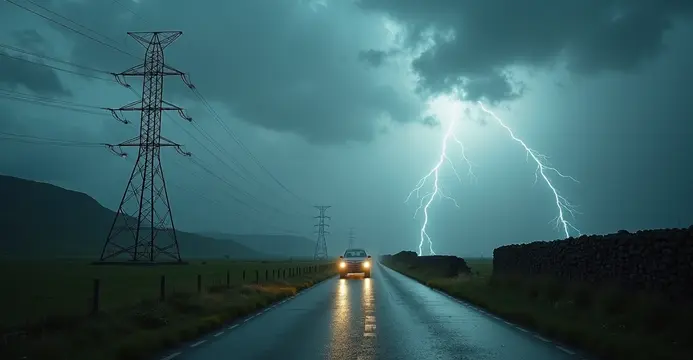
Storm Goretti, a powerful winter weather system described by meteorologists as a 'weather bomb,' has caused extensive damage and disruption across Western Europe, particularly in France and the United Kingdom. The storm, which formed rapidly over the Atlantic Ocean, brought hurricane-force winds, heavy snowfall, and torrential rain to multiple countries, leaving hundreds of thousands without power and crippling transportation networks.
France Hit Hard by Record Winds
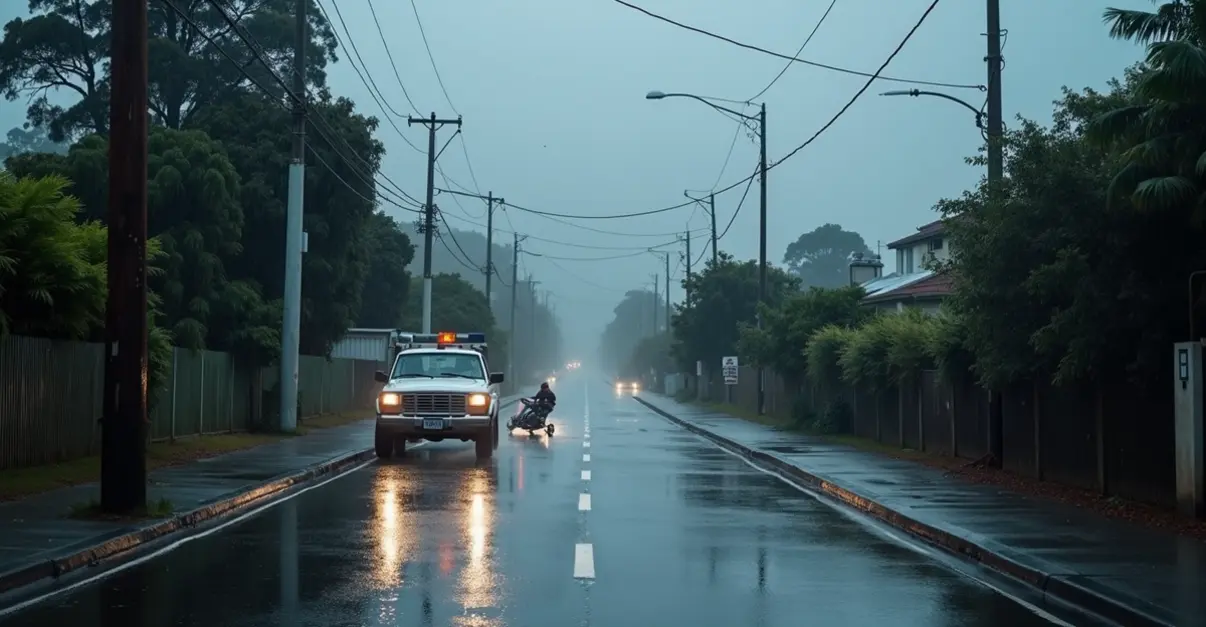
France bore the brunt of Goretti's fury, with winds reaching an astonishing 213 km/h (132 mph) in Barfleur, Manche region. The French national weather service, Météo-France, issued red alerts for multiple departments as the storm made landfall overnight. According to network operator Enedis, approximately 380,000 households lost electricity, primarily in Normandy and Brittany regions. 'We have mobilized 2,450 agents to restore power as quickly as possible,' stated Enedis Normandie in a social media update.
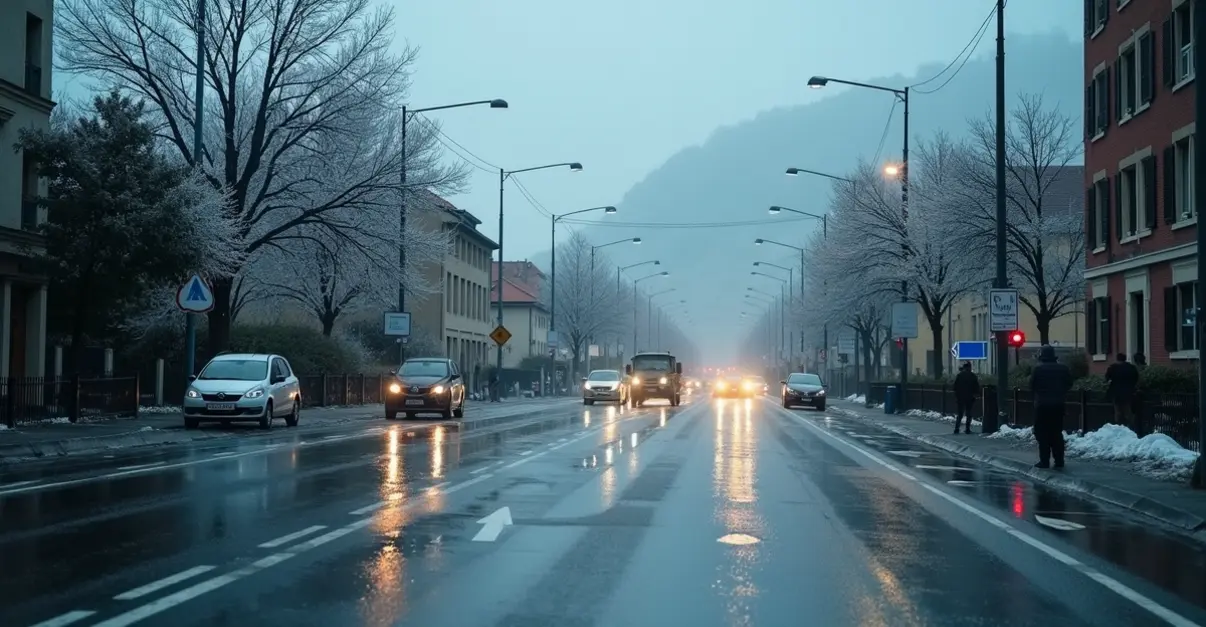
The storm forced the Flamanville nuclear power plant to take reactors offline as a precautionary measure. In coastal areas like Cayeux-sur-Mer, streets were flooded with up to 40 centimeters of water, while emergency services reported around 30 minor injuries across affected regions. Rail services between Paris and Normandy were suspended, adding to the travel chaos.
UK Faces 'Worst Snowfall in a Decade'
Across the Channel, the United Kingdom experienced what authorities called the most severe winter weather event in years. The Met Office issued rare red wind warnings for Cornwall and the Isles of Scilly, where gusts approached 100 mph. 'This is a multi-hazard event with potentially life-threatening conditions,' warned a Met Office spokesperson in their official statement.
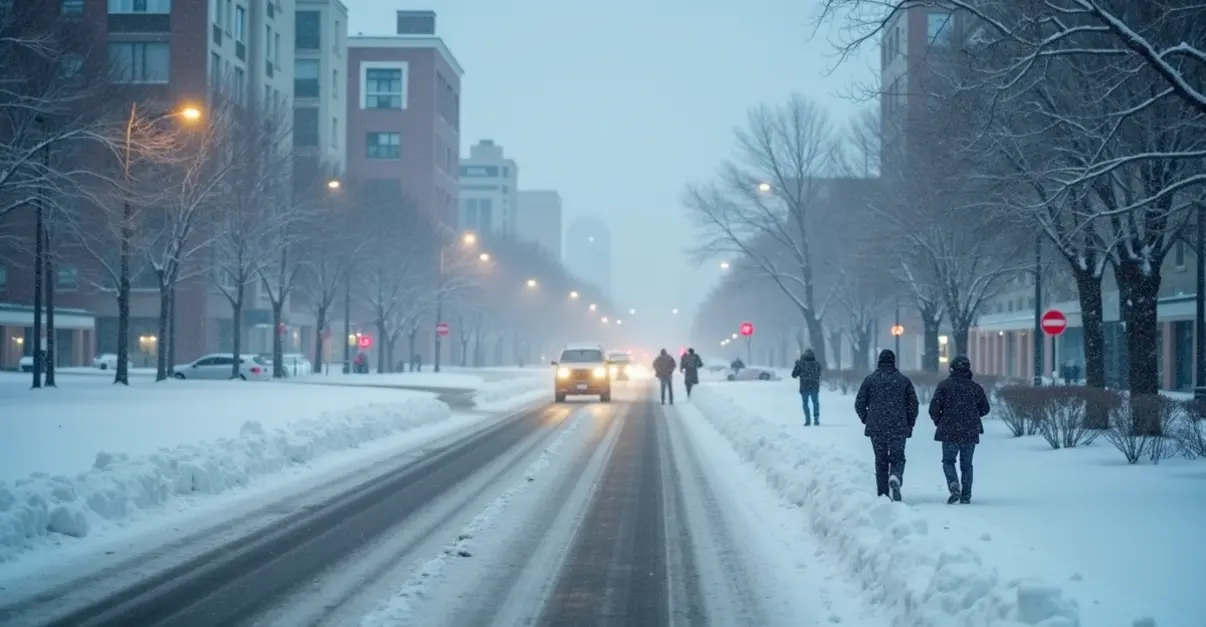
More than 44,000 households remained without power in southwest England, down from a peak of 57,000 earlier in the day. The storm brought what local officials in Stoke-on-Trent described as 'the worst snowfall in ten years,' with accumulations reaching 25 centimeters in some areas. Nearly 300 schools closed across Scotland, while dozens more shut in Wales due to safety concerns.
Transportation Networks Paralyzed
The storm's impact on transportation was severe and widespread. Heathrow Airport in London cancelled at least 69 flights, affecting approximately 9,000 passengers. Birmingham Airport temporarily closed due to heavy snow accumulation. Rail operators across England, Wales, and Scotland warned passengers not to travel unless absolutely necessary, with multiple routes experiencing cancellations and severe delays.
In Germany, Deutsche Bahn halted long-distance train services, while Hamburg Airport cancelled about 40 flights. The Netherlands' KLM airline scrapped 80 flights at Amsterdam's Schiphol Airport. The storm's reach extended beyond Western Europe, causing fatalities in Albania and extensive damage in northeastern Turkey.
Emergency Response and Climate Context
Emergency services across affected countries worked tirelessly to respond to incidents. In Brussels, fire services were called out more than 60 times to deal with fallen trees and flying debris. The governor of Liège province in Belgium asked schools to send students home early to avoid travel complications as snow was expected.
Meteorologists note that while severe winter storms still occur, their frequency has decreased in some parts of Europe due to climate change, despite occasional intense cold snaps. Storm Goretti was named by Météo-France as part of the 2025-26 European windstorm season naming system, which coordinates naming across multiple European meteorological agencies to improve public awareness and preparedness.
As cleanup operations continue, authorities urge residents to remain cautious and avoid unnecessary travel while infrastructure is restored. The storm serves as a stark reminder of Europe's vulnerability to extreme weather events, even as climate patterns shift in unpredictable ways.