Nederlands
 English
 Deutsch
 Français
 Español
 Português





Historic Flood Relief Funding Allocation Announced Amid Growing Climate Threats
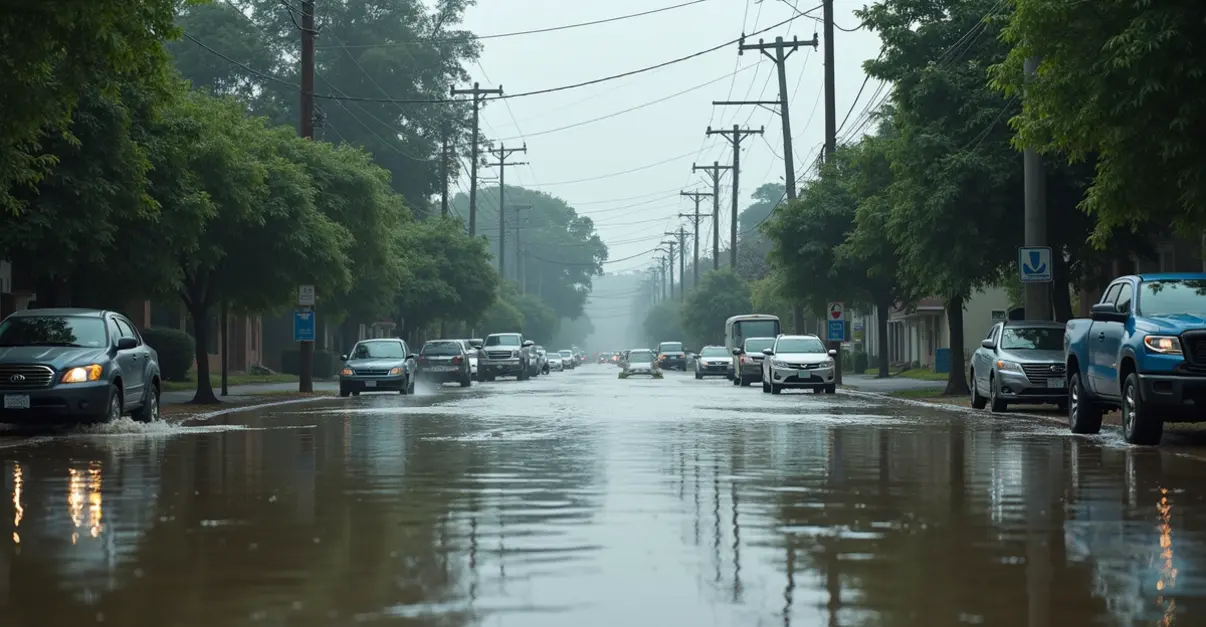
In a significant move to address the escalating frequency and severity of flood disasters across the United States, federal and state governments have announced comprehensive flood relief funding allocations that will reshape disaster response policies, insurance markets, and community resilience strategies. The announcement comes as 2025 has already witnessed devastating flood events, including the deadly July Central Texas floods that claimed at least 135 lives and caused widespread destruction.
Federal and State Funding Initiatives
The funding allocation represents a multi-billion dollar commitment to disaster preparedness and response. FEMA announced billions in federal funding through seven Notices of Funding Opportunity on July 29, 2025, designed to empower states in disaster preparedness. These funds support state, local, tribal, and territorial partners in managing responses to disasters like fires, floods, tornadoes, hurricanes, and terrorist attacks.
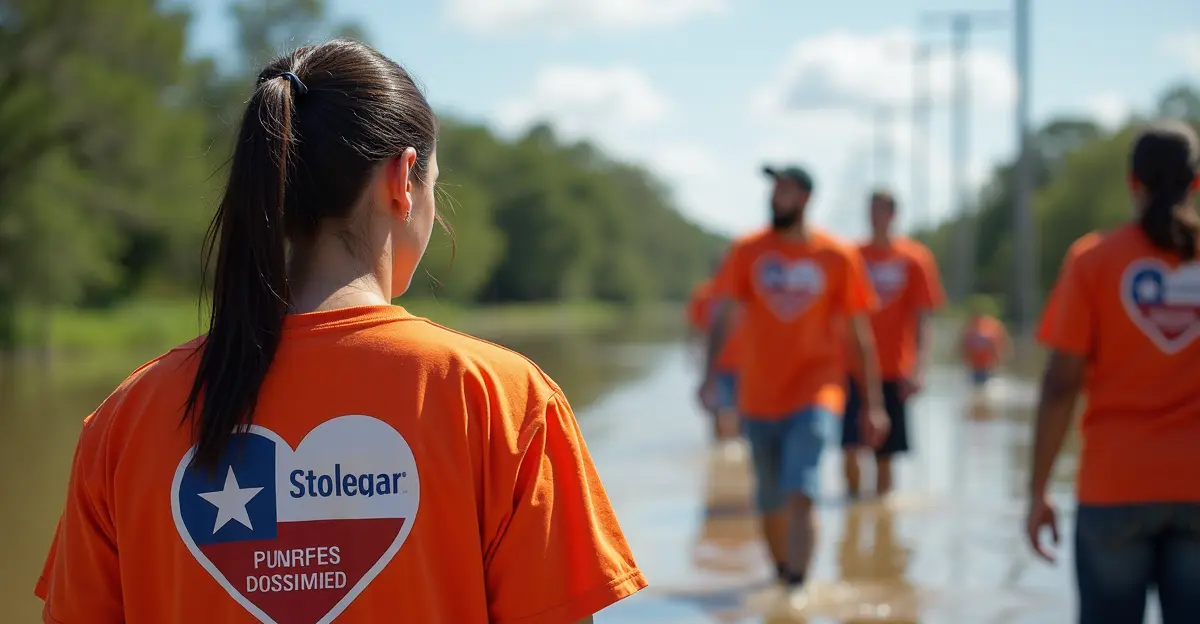
At the state level, Washington Governor Bob Ferguson has amended his emergency proclamation to provide faster emergency support to 14 counties impacted by historic flooding, directing $3.5 million in emergency funds for relief and recovery efforts. 'We are working around the clock to support Washingtonians impacted by these devastating floods,' Governor Ferguson stated during the announcement. 'This funding will help communities rebuild and become more resilient for the future.'
Policy Implications and Market Impact
The funding announcement has significant implications for policy markets, particularly the National Flood Insurance Program (NFIP). According to analysis from the American Action Forum, the NFIP faces substantial challenges in 2025, with $20.5 billion in debt to the Treasury and annual losses of $600 million. The program provides flood insurance to over 5 million Americans but has become increasingly inefficient and outdated.
Dr. Sarah Chen, a disaster policy analyst at Georgetown University, explains: 'These funding allocations represent a critical shift toward proactive disaster management rather than reactive response. The emphasis on pre-disaster funding and resilience building could fundamentally change how we approach flood risk in vulnerable communities.'
The funding includes key programs such as the Emergency Management Performance Grant for hiring staff and equipment, Urban Search & Rescue Response System for 24/7 operations, Nonprofit Security Grant Program for faith-based institution security, and Homeland Security Grant Program for terrorism prevention.
Community Resilience and Scientific Approaches
Research published in ScienceDirect presents a novel approach to pre-disaster flood prevention fund allocation that incorporates social vulnerability to enhance urban flood resilience. The study developed a Disaster Prevention Funding Allocation Model based on Social Vulnerability Assessment (SO-FAOM) that aims to reduce overall social vulnerability and minimize extremely vulnerable areas.
When applied to Wenzhou City, the SO-FAOM model achieved superior results compared to traditional approaches, reducing total social vulnerability by 5.8% and extreme vulnerability zones by 57%. 'Scientifically allocating flood prevention funds with socioeconomic considerations before disasters can maximize fund effectiveness and improve cities' sustained flood protection capabilities,' noted lead researcher Dr. Michael Rodriguez.
State-Level Initiatives and Future Outlook
According to Pew Research, 11 U.S. states implemented significant disaster resilience initiatives in 2025. Florida allocated $150 million through its Resilient Florida Program for flood management, while Hawaii created a green tourism tax expected to generate $100 million annually for firebreaks and erosion control. Massachusetts developed a metrics framework to track resilience progress and awarded $3 million in grants to municipalities.
The devastating July 2025 Central Texas floods, documented on Wikipedia, highlight the urgent need for improved funding allocation. The flooding was caused by a mesoscale convective vortex with enhanced tropical moisture, resulting in at least 135 deaths and devastating damage across multiple counties.
Emergency management officials emphasize that these funding allocations represent just the beginning of a broader transformation in disaster response. 'We're moving from a model of disaster recovery to one of disaster resilience,' explains FEMA Administrator Jane Thompson. 'These funds will help communities build back better and withstand future climate impacts.'
As climate change continues to intensify flood risks across the United States, the announced funding allocations mark a critical step toward more effective, equitable, and sustainable disaster response systems that protect both communities and economic stability.