


 Deutsch
 English
 Español
 Français
 Nederlands
 Português


 Share
Share




The Pentagon has fired the editor-in-chief, publisher, and a leading reporter of Stars and Stripes, the U.S. military newspaper founded in 1861, escalating a bitter clash over editorial independence. The dismissals, announced Friday, August 21, 2026, target Erik Slavin, Max D. Lederer Jr., and Lara Korte for alleged insubordination after they publicly defended the paper's independence from Defense Department control.
What led to the Pentagon firing Stars and Stripes leadership?
The immediate trigger was an interview editor-in-chief Erik Slavin gave to CBS Sunday Morning in early July 2026. Slavin said that any Pentagon attempt to censor news for service members would cross a red line, and he stood by the principle that Stars and Stripes must remain editorially independent "as required by law." In a statement after his firing, Slavin wrote: "I stand by the principle that Stars and Stripes must remain editorially independent, as required by law and the department's own policy."
Reporter Lara Korte, who covered the Middle East from Germany, was also dismissed. She said on social media that she was fired for telling CBS she works for Stars and Stripes, "not for the Pentagon or any government or policymaker." Publisher Max Lederer, who had announced his retirement effective late September, was fired days later after citing "fundamental" disagreements with the Pentagon over the paper's direction.
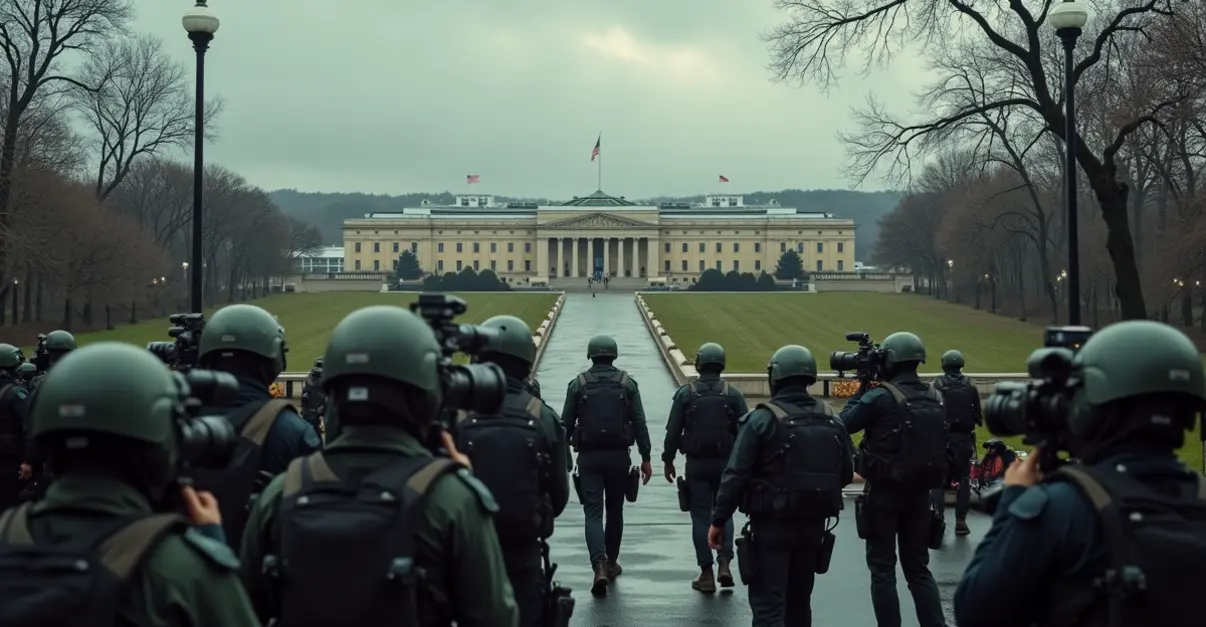
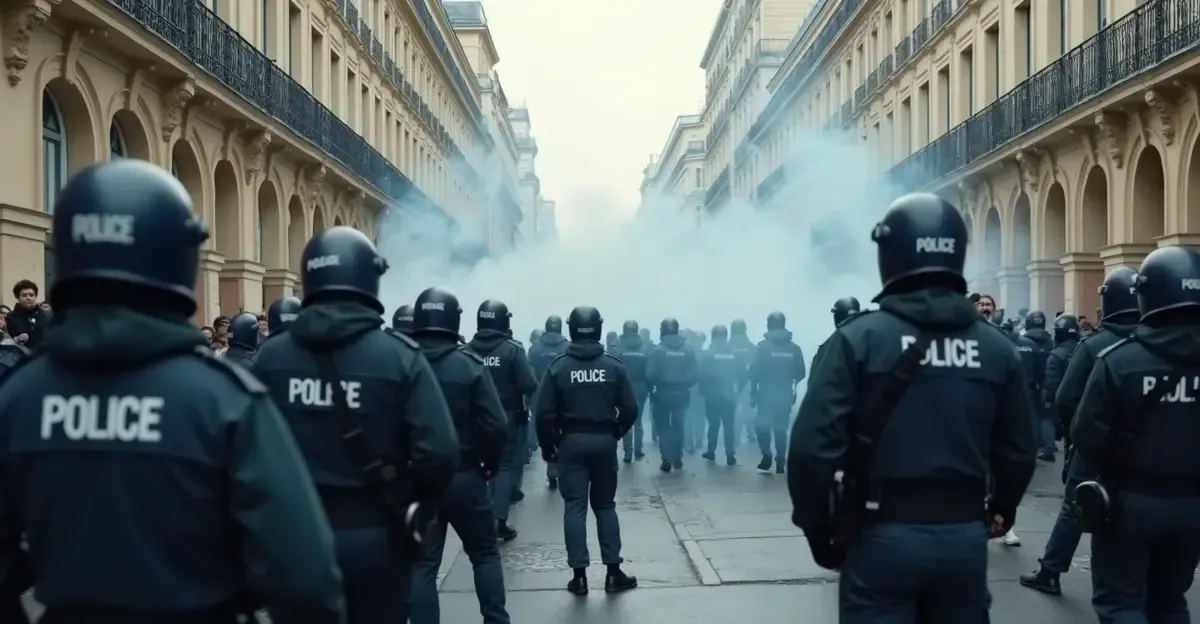
This clash echoes the wider Pentagon media crackdown that has drawn sharp criticism from press-freedom advocates and members of Congress.
Who was fired and why?
Erik Slavin — Editor-in-Chief
Slavin joined Stars and Stripes in 2005 and rose to the top editorial post. The Pentagon's separation notice accused him of insubordination, citing his public remarks about censorship. The National Press Club called the firing "another brazen attempt by the Pentagon to dictate coverage."
Lara Korte — Middle East Reporter
Korte joined the paper in December 2024 and covered the U.S. war against Iran. She described the firings as "a shame for the institution and service members who deserve a free press."
Max D. Lederer Jr. — Publisher
Lederer had spent more than 30 years at the publication. He announced his retirement on Tuesday, only to receive a separation notice on Friday. His departure followed the Pentagon's installation of Navy Capt. William Urban as deputy publisher without Lederer's knowledge.
Why does Stars and Stripes editorial independence matter?
Stars and Stripes has delivered news to American troops around the world since 1861. Print editions are distributed daily on military bases overseas. Although the paper is partly funded by the Pentagon, Congress has long guaranteed its editorial independence and First Amendment protection. An independent ombudsman reports to Congress on behalf of readers.
Critics compare the firings to the Trump administration media policy that has reshaped federal newsrooms and restricted Pentagon press access. In April 2026, the Pentagon fired the paper's ombudsman, Jacqueline Smith. Earlier actions included a ban on cartoons and syndicated features and a March 9 modernization plan that required content to align with "good order and discipline."
What happens next for Stars and Stripes?
The Pentagon said it intends to continue the paper's mission and expand digital journalism, but press-freedom groups are alarmed. Three Democratic senators have questioned Defense Secretary Pete Hegseth over the appointment of Urban as deputy publisher. A federal lawsuit filed in June 2026 already alleges that Pentagon actions targeting Stars and Stripes erode its longstanding editorial independence and First Amendment rights.
The outcome may influence First Amendment press protections for military publications and how service members receive independent news during active conflicts. For now, the Pentagon has not named permanent replacements for Slavin, Lederer, or Korte.
FAQ: Pentagon fires Stars and Stripes leadership
Why did the Pentagon fire Stars and Stripes leadership?
The Pentagon accused editor-in-chief Erik Slavin, publisher Max Lederer, and reporter Lara Korte of insubordination after they publicly objected to potential Defense Department censorship and defended the newspaper's editorial independence.
Is Stars and Stripes independent from the Pentagon?
Yes. Although partly funded by the Pentagon, Stars and Stripes is editorially independent under U.S. law, and its First Amendment protection is safeguarded by Congress through an independent ombudsman.
When was Stars and Stripes founded?
Stars and Stripes was founded on November 9, 1861, during the American Civil War, and has been published continuously since World War II.
What did Defense Secretary Pete Hegseth say about the newspaper?
Hegseth's spokesman previously called Stars and Stripes "woke," and the Pentagon has pushed a modernization plan restricting cartoons, syndicated content, and wire services to align with "good order and discipline."
Where can I read the latest on this story?
You can follow coverage from Stars and Stripes, Federal News Network, and NOS.
Follow Discussion