


 Deutsch
 English
 Español
 Français
 Nederlands
 Português


 Share
Share




Transit Recovery Accelerates Across Major Cities
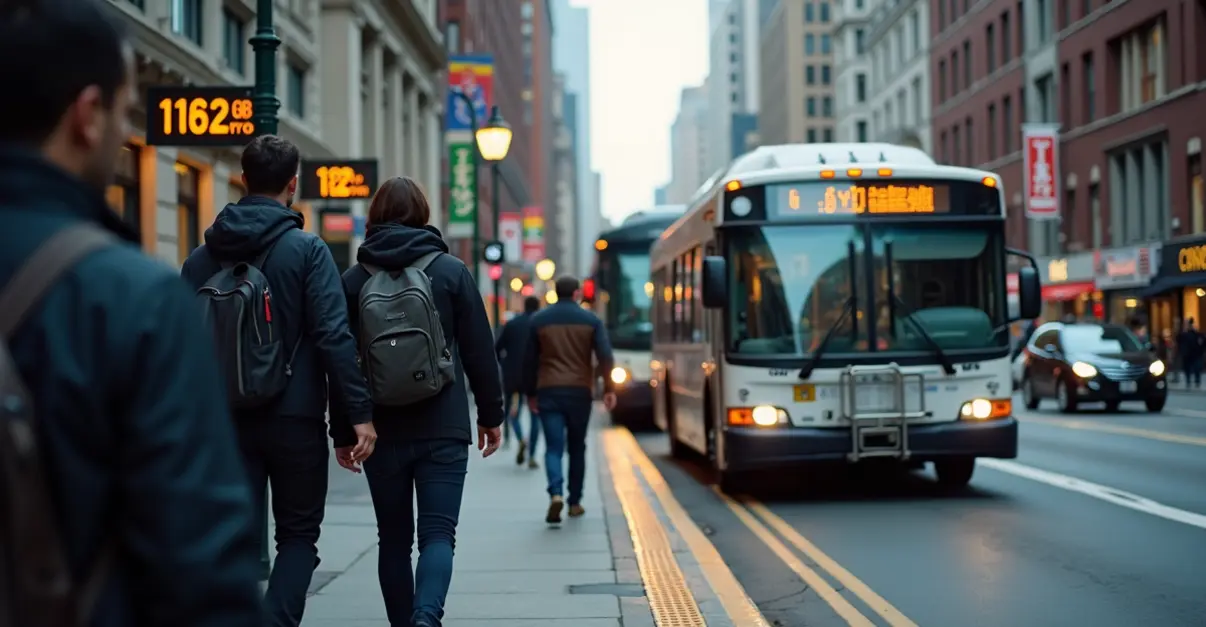
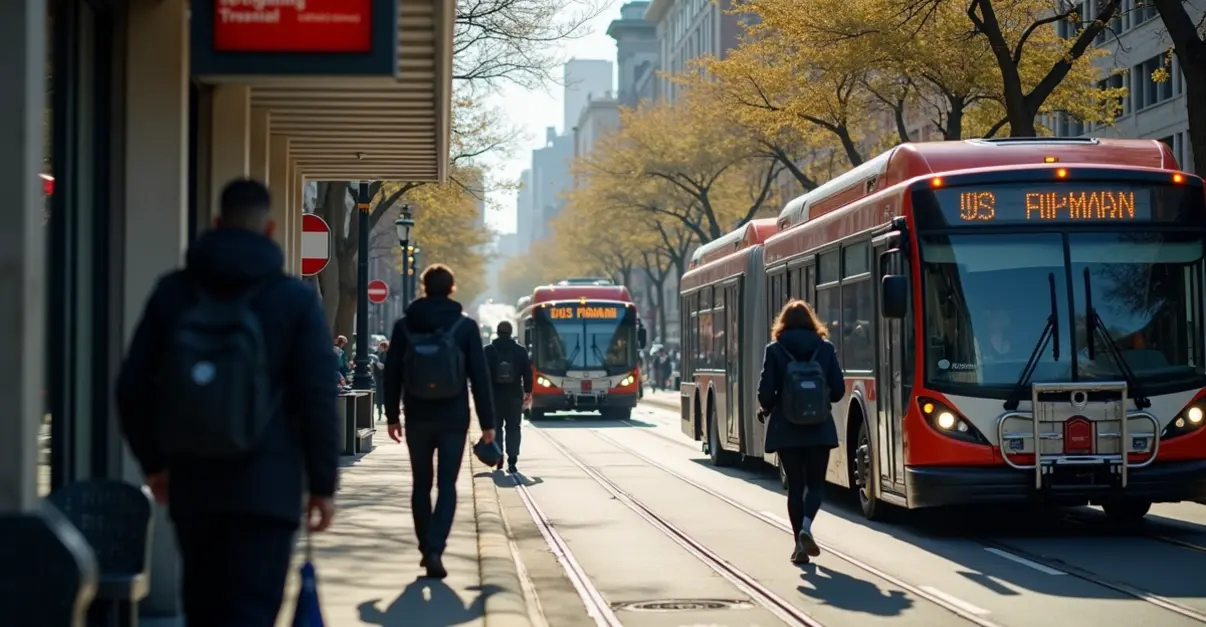
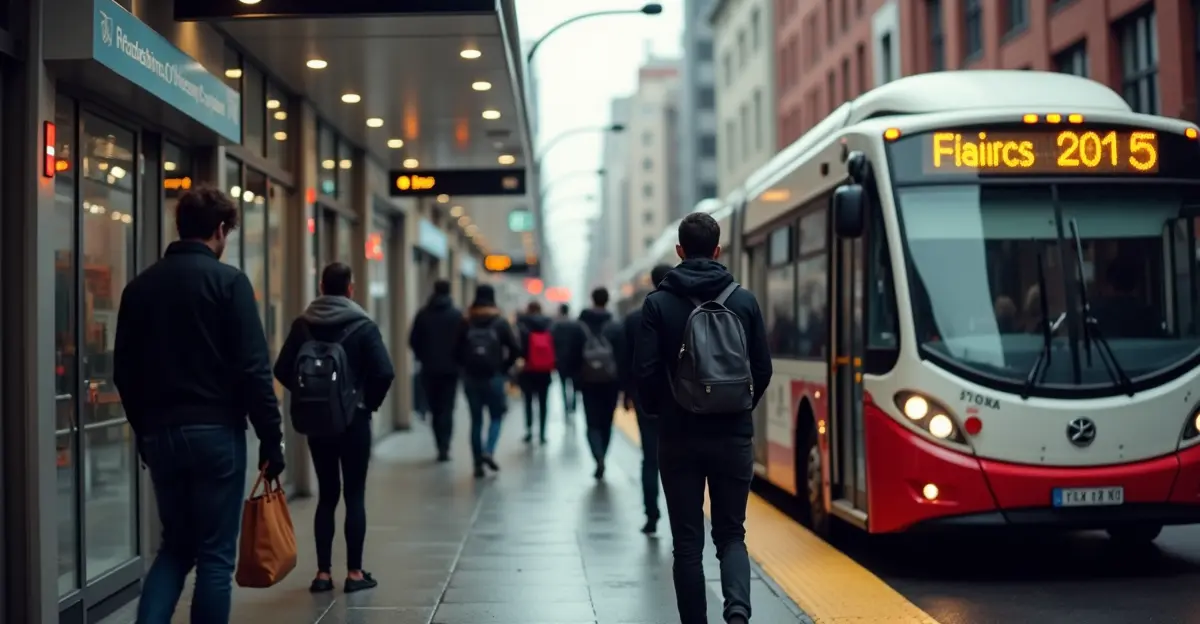
Public transportation systems in major urban centers are experiencing a significant rebound, with ridership reaching 85% of pre-pandemic levels in early 2025 according to the latest APTA report. This marks the highest recovery since COVID-19 began, signaling a turning point for urban mobility after years of disruption. The recovery isn't uniform across all cities or transit modes, revealing complex patterns that will shape transportation policy for years to come.
Diverging Recovery Patterns
Smaller cities with populations under 100,000 are leading the recovery at 88% of 2019 levels, while bus ridership has rebounded more strongly than rail at 86% recovery. 'We're seeing a fundamental shift in how people use transit,' says transportation analyst Dr. Sarah Johnson. 'It's no longer just about traditional commuting. People are using transit for healthcare appointments, school trips, and community events throughout the day.'
Major metropolitan areas show varied recovery rates. New York City has seen increased ridership attributed to congestion pricing policies, while Washington D.C. benefits from stronger return-to-office mandates. The National Transit Database reveals that transit agencies serving essential workers maintained better ridership throughout the pandemic, creating a foundation for current recovery.
Policy Implications and Market Impacts
The recovery has significant implications for transportation funding and urban planning. Federal transit funding formulas based on pre-pandemic ridership may need adjustment to reflect new usage patterns. 'We can't simply return to 2019 thinking,' notes urban planner Michael Rodriguez. 'Transit agencies need sustained funding, service improvements tailored to current rider needs, and potentially new operational approaches.'
Research published in Transportation Research shows a significant shift in ridership predictors. External factors like socioeconomic conditions, gasoline prices, telecommuting, and polycentric development now contribute more to ridership than internal factors such as service levels and fares. This suggests transit agencies need to adjust forecasting models and policy priorities.
Technological Transformation
Technology is playing a crucial role in the recovery. According to 2025 transit trends analysis, AI-powered dynamic route planning and Mobility-as-a-Service (MaaS) platforms are transforming urban mobility. Systems like Keolis's DiviaMobilités app in Dijon integrate multiple transport modes, making transit more convenient and responsive to user needs.
Efficiency improvements through electrification are also accelerating recovery. Electric buses offer long-term operational savings while hydrogen fleets are expanding, such as Foothill Transit's 33-bus hydrogen fleet in North America. These innovations are helping transit agencies reduce costs while improving service quality.
Community Impacts and Equity Considerations
The recovery has profound implications for urban communities. Transit-oriented development is gaining momentum as cities recognize the economic benefits of dense, walkable neighborhoods centered around transit hubs. However, equity concerns remain prominent. 'We must ensure that recovery benefits all communities equally,' emphasizes community advocate Maria Gonzalez. 'Low-income riders and communities of color have been disproportionately affected by service cuts during the pandemic.'
Fare-free transit experiments, like those in Massachusetts where funding was upgraded from a pilot program to a permanent budget item in 2026, show promising results for increasing ridership and improving equity. The Boston Route 28 bus pilot saw ridership increase to 70,000 weekly during the program, compared to 47,000 pre-pandemic.
Future Outlook
Looking ahead to 2026, transit agencies face both challenges and opportunities. Higher operational costs, lower fare recovery rates, and changing travel patterns require innovative solutions. However, the strong recovery suggests public transit remains essential to urban life. 'The pandemic accelerated changes that were already underway,' observes transportation economist Dr. Robert Chen. 'We're moving toward more flexible, technology-enabled transit systems that serve diverse needs throughout the day rather than just peak commuting hours.'
As cities continue to evolve, transit ridership recovery will be closely tied to broader urban trends including remote work patterns, housing affordability, and climate change mitigation efforts. The coming years will test whether current recovery represents a 'new normal' or a transitional phase toward more sustainable urban mobility systems.



Follow Discussion