


 Deutsch
 English
 Español
 Français
 Nederlands
 Português


 Share
Share




On the evening of July 25, 2026, a van plowed into a crowd of pedestrians attending the Christopher Street Day (CSD) Pride celebration in Berlin's Tiergarten park, killing one woman and injuring 29 others in what German authorities have described as a suspected Islamist terrorist attack. The incident has sent shockwaves through Germany and the international community, prompting a massive manhunt and renewed debates about security at public events.
What Happened During the Berlin Pride Attack?
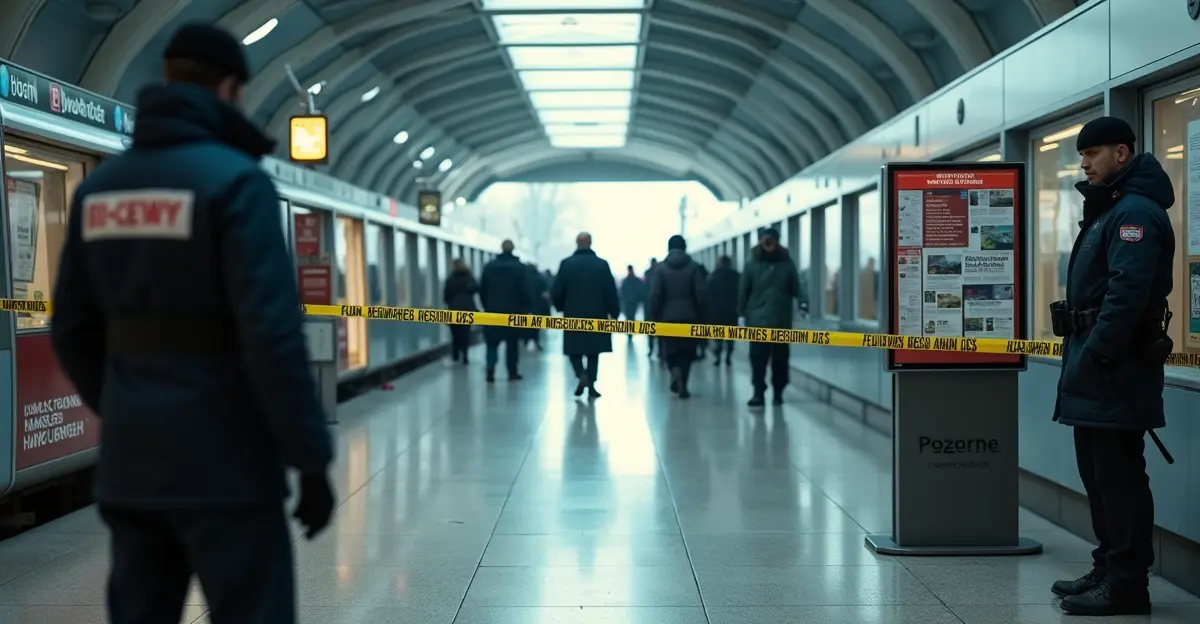
At approximately 22:00 local time, a white van drove onto the Ahornsteig pedestrian path in Tiergarten, striking dozens of people who had gathered for the closing rally of the city's annual Pride parade. The vehicle continued until it collided with a tree, at which point the driver fled on foot. Witnesses also reported seeing individuals with stab wounds at the scene, though police have not yet confirmed whether a secondary knife attack occurred. The parade, which had drawn hundreds of thousands of participants, was cancelled at around 22:15, and authorities urged attendees to leave the area immediately. Emergency services treated approximately 30 people for psychological trauma at the scene.
Who Was the Suspect in the Berlin Pride Attack?
Berlin police and the General Public Prosecutor's Office identified the suspect as 21-year-old Abdul Ballout, a German citizen of Lebanese descent. Ballout had previously been convicted and given a suspended sentence in May 2026 for planning an attack, and was known to have ties to Berlin's 'Islamist extremist networks'. According to authorities, he had shared ISIS propaganda on social media and had traveled to Lebanon with the intention of joining the terrorist group. Interior Minister Alexander Dobrindt described the incident as an 'Islamic terrorist attack.' An Iranian man believed to have been a passenger in the van was arrested on the night of the attack and charged with multiple crimes.
Manhunt and Death of the Suspect
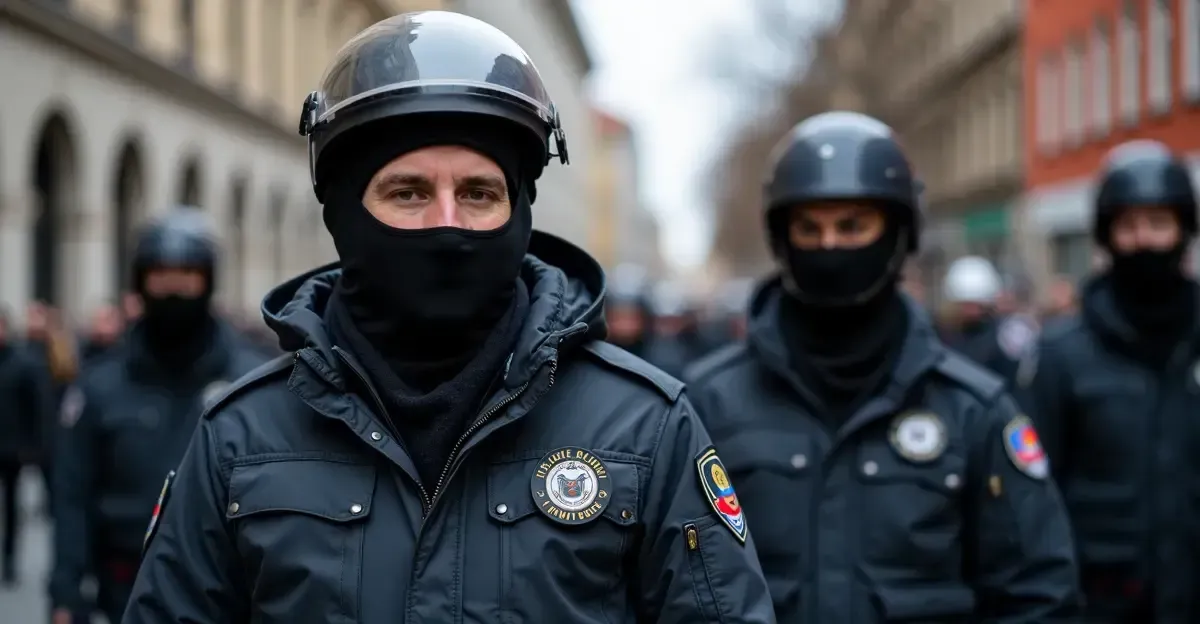
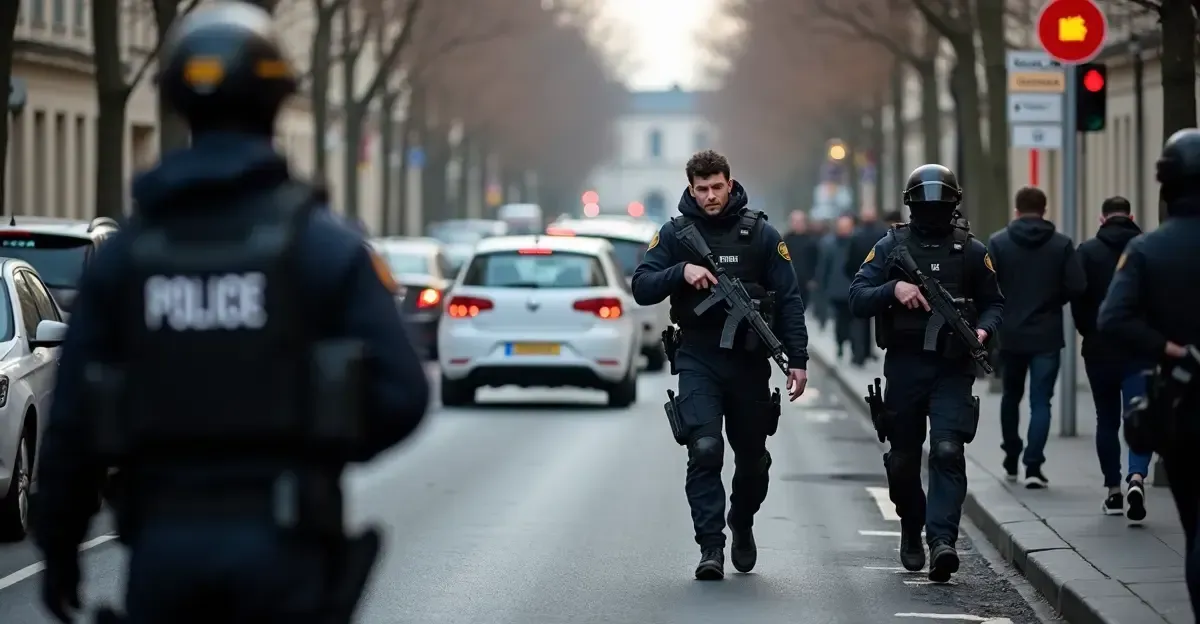
A massive manhunt involving over 2,200 police personnel was launched immediately after the attack. Ballout was considered armed and dangerous. On July 26, police located the suspect in the Spandau district of Berlin. During an attempted arrest, Ballout was shot and killed by police. Authorities have not released further details about the circumstances of the shooting, which is now under standard investigation by the state prosecutor's office.
Victims and Aftermath
The sole fatality was a woman who died at the scene despite resuscitation attempts. Twenty-nine others were injured, several critically. As of the morning after the attack, all hospitalized victims were reported to be out of danger. Berlin's fire department deployed psychosocial emergency support teams to assist those affected. A dedicated telephone line was set up for relatives seeking information. The attack has deeply shaken Berlin's LGBTQ+ community, which had been celebrating one of Europe's largest Pride events. Berlin's LGBTQ affairs commissioner Alfonso Pantisano acknowledged the shared fear but urged resilience, stating: 'We will not let terror silence our pride.'
Political and International Reactions
German Chancellor Friedrich Merz condemned the attack, vowing a full investigation and calling on the public not to be intimidated. Interior Minister Dobrindt pledged to bring all those responsible to justice. A remembrance rally was held at Pariser Platz on July 26, drawing around 10,000 attendees who observed a moment of silence and waved Pride flags. The attack has also stirred political tensions ahead of upcoming state elections, with the far-right Alternative for Germany (AfD) party using the incident to amplify anti-immigration rhetoric. International leaders expressed solidarity with Germany and the LGBTQ+ community. The attack has raised urgent questions about the effectiveness of deradicalization programs and security at large public gatherings in Germany. The incident also echoes previous vehicle-ramming attacks in Europe, including the 2016 Berlin Christmas market attack, and has prompted a review of security protocols for major events. Experts in European counterterrorism strategies have pointed to the need for better monitoring of known extremists who have received suspended sentences. The case has also highlighted the challenges of balancing civil liberties with security measures in public spaces.
FAQ: Berlin Pride Attack 2026
What was the Berlin Pride attack?
On July 25, 2026, a van was deliberately driven into a crowd at the Christopher Street Day Pride celebration in Berlin's Tiergarten park, killing one person and injuring 29 others. German authorities treated it as an Islamist terrorist attack.
Who was the suspect?
The suspect was 21-year-old Abdul Ballout, a German-Lebanese citizen with prior convictions for planning an attack and ties to Berlin's Islamist scene. He was shot and killed by police during an attempted arrest on July 26.
How many people were killed and injured?
One woman was killed and 29 people were injured, several critically. All injured were reported out of danger by the following morning.
Was the attack linked to a terrorist group?
Interior Minister Alexander Dobrindt described the attack as an 'Islamic terrorist attack.' The suspect had previously shared ISIS propaganda and attempted to join the group in Lebanon.
What has been the response?
Berlin cancelled the remainder of the Pride events. A vigil was held at Pariser Platz on July 26, drawing 10,000 attendees. Chancellor Merz vowed a full investigation, and security at public events has been reviewed.
Sources
Information in this article is based on reports from the Associated Press, Deutsche Welle, The New York Times, Wikipedia, CBS News, USA Today, and official statements from Berlin police and the German Interior Ministry.


Follow Discussion