


 Deutsch
 English
 Español
 Français
 Nederlands
 Português


 Share
Share




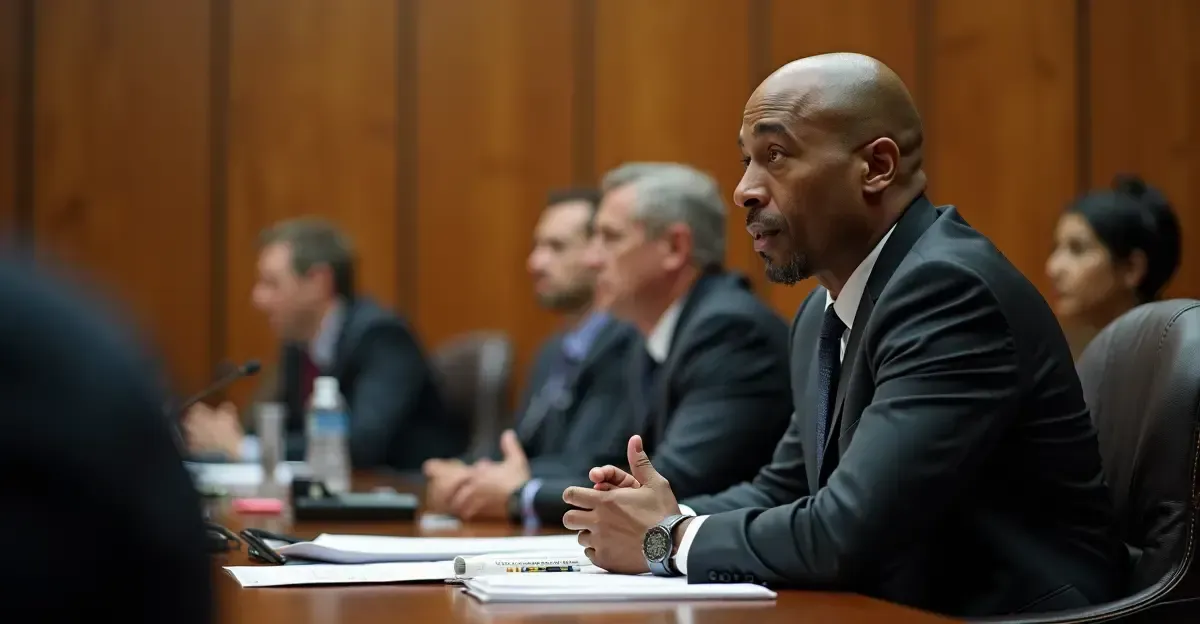
In a landmark verdict delivered on May 8, 2026, a federal jury in Miami convicted four men for orchestrating the 2021 assassination of Haitian President Jovenel Moïse. The defendants—Arcangel Pretel Ortiz, Antonio Intriago, Walter Veintemilla, and James Solages—were found guilty of conspiracy to commit murder or kidnapping outside the United States, providing material support resulting in death, and violating the U.S. Neutrality Act. They now face potential life sentences, with sentencing scheduled for July 28, 2026. The conviction marks a pivotal moment in the long-running investigation into the brazen killing that plunged Haiti into deeper chaos.
Background: The Assassination That Shook Haiti
In the early hours of July 7, 2021, a group of approximately 28 armed men—mostly former Colombian soldiers—stormed President Moïse's private residence in Port-au-Prince. The president was shot a dozen times in his bedroom, while his wife, First Lady Martine Moïse, was also shot multiple times and seriously wounded. She survived and later provided gripping testimony in the Miami courtroom, recounting how she pretended to be dead after being shot and heard her husband's last words: 'Honey, we are dead.'
The assassination came amid a deepening political crisis in Haiti. Moïse had been ruling by decree after legislative elections were delayed, and opposition groups disputed the end of his term. The killing sent shockwaves through the Caribbean nation and triggered a spiral of gang violence that continues to this day. Haiti's political instability has only worsened since the assassination, with no national elections held to date.
The Conspiracy: A Plot Hatched in South Florida
According to federal prosecutors, the conspiracy was devised in early 2021 in South Florida. The four convicted men recruited 22 former Colombian soldiers through CTU, a security company owned by Antonio Intriago. They supplied the mercenaries with money, weapons, ammunition, and bulletproof vests. The plot initially aimed to kidnap Moïse and replace him with Dr. Christian Emmanuel Sanon, a Haitian-born doctor, before later shifting to assassination.
Walter Veintemilla, an Ecuadorian-American, financed the conspiracy using fraudulent COVID-19 relief funds. Arcangel Pretel Ortiz, a former FBI informant, directed tactical planning. Intriago handled logistics from his Doral-based security firm, while James Solages, a Haitian-American handyman, served as the on-the-ground liaison in Haiti. Prosecutors described the motive as 'greed, arrogance, and power'—the conspirators sought lucrative government contracts from a handpicked successor regime.
The Trial and Key Testimony
The trial, which began in March 2026 in Miami federal court, featured dramatic testimony from Martine Moïse. She described being awakened by gunfire around 1 a.m., crawling to check on her children, and instructing them to hide in a windowless bathroom. She heard attackers speaking Spanish and was shot multiple times before an assailant grabbed her leg, flipped her over, and shined a flashlight in her eyes. Her testimony was both emotional and graphic, directly accusing former Haitian President Michel Martelly and former Prime Minister Ariel Henry of having connections to the killing.
Six co-conspirators who previously pleaded guilty also testified for the prosecution, providing insider accounts of the plot's evolution. Defense attorneys argued that the U.S. government relied on unreliable evidence from Haiti and claimed their clients only intended to serve an arrest warrant against Moïse, who they alleged had overstayed his term. Some defense lawyers further contended that Moïse was actually killed by his own security forces before the Colombian squad arrived—a claim prosecutors dismissed as baseless.
The Aftermath: Haiti's Spiral Into Gang Violence
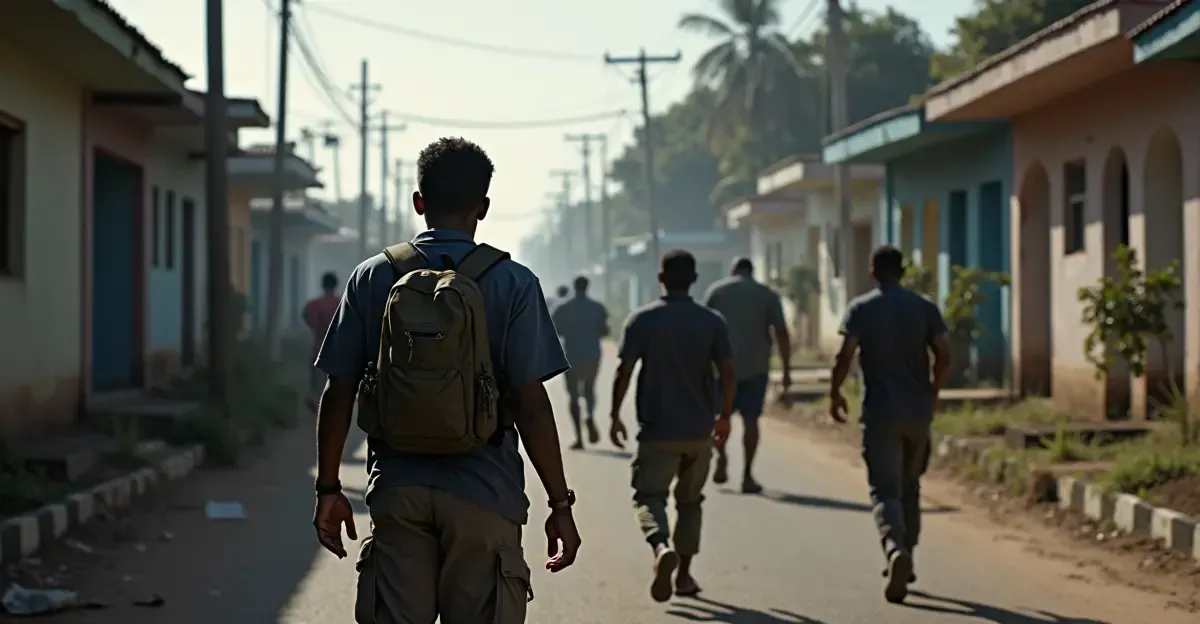
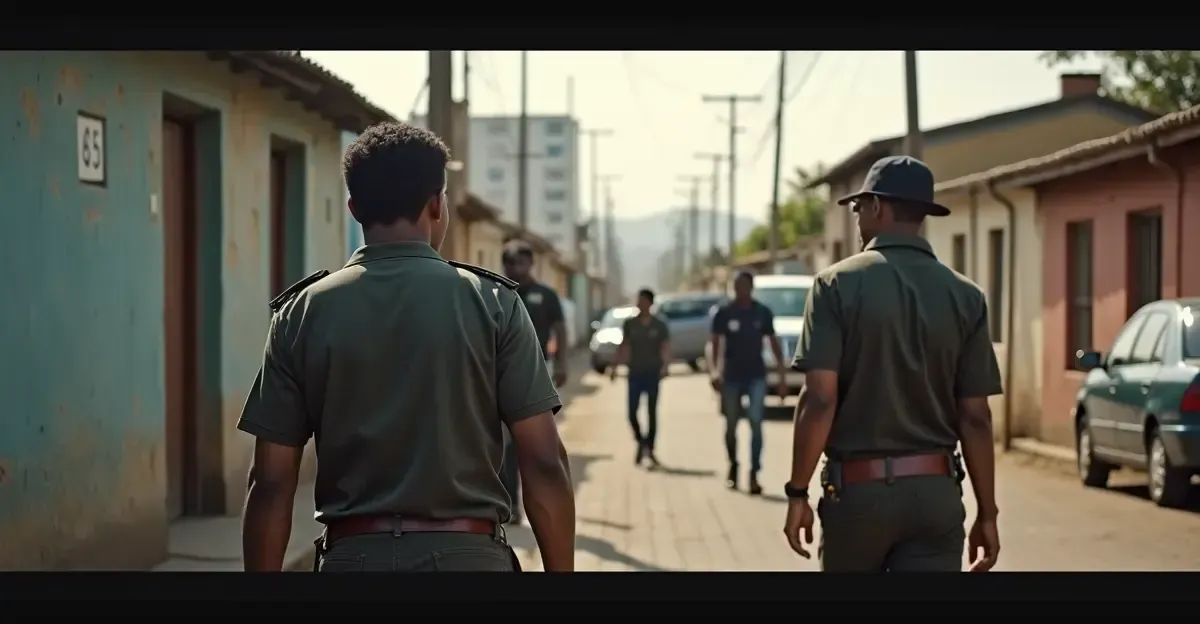
The assassination created a power vacuum that criminal gangs exploited with devastating effect. According to recent United Nations reports, gangs now control approximately 90% of Port-au-Prince and have expanded into previously peaceful areas in southern and eastern Haiti. Since 2021, over 20,000 people have been killed by gang violence, and more than one million Haitians have been displaced. Gang violence in Port-au-Prince has reached unprecedented levels, with gangs establishing parallel governance structures, controlling trade routes, and driving up prices for essential goods.
A U.N.-backed Kenyan-led security mission remains understaffed at only 40% of its envisioned 2,500 personnel. U.N. Assistant Secretary-General Miroslav Jenca warned that 'the total collapse of state presence in the capital could become a very real scenario' without increased international action. The U.S. government has supported a transitional council and promised elections by the end of 2026, though skepticism remains high.
Legal Implications and What Comes Next
The four convicted men face up to life in prison when sentenced on July 28, 2026. Their attorneys have indicated they plan to appeal. A fifth defendant, Christian Emmanuel Sanon, will be tried separately due to health issues. In total, 13 individuals were arrested in connection with the assassination; eight have taken plea deals. The case in Haiti itself remains stalled due to the collapse of the judicial system and ongoing insecurity.
The verdict sends a strong message about U.S. jurisdiction over international conspiracies hatched on American soil. However, questions remain about who truly masterminded the assassination and whether higher-level political figures in Haiti will ever face justice. The trial of the four men is a significant step, but for many Haitians, true accountability remains elusive. International justice for Haiti continues to face enormous hurdles.
Frequently Asked Questions
Who was convicted in the Haiti president assassination plot?
Four men were convicted: Arcangel Pretel Ortiz (former FBI informant), Antonio Intriago (security company owner), Walter Veintemilla (financier), and James Solages (Haitian-American handyman). They were found guilty of conspiracy to murder and kidnap outside the U.S., providing material support, and violating the Neutrality Act.
What was the motive behind the assassination?
Prosecutors said the conspirators wanted to violently overthrow President Moïse to install a handpicked successor who would award them lucrative government contracts. The plot was driven by greed and a lust for power.
When will the four men be sentenced?
Sentencing is scheduled for July 28, 2026, in Miami federal court. All four face potential life imprisonment.
What happened to Haiti after the assassination?
Haiti plunged into unprecedented gang violence. Gangs now control about 90% of Port-au-Prince, over 20,000 people have been killed, and more than a million have been displaced. No national elections have been held since 2021.
Will other suspects face trial?
A fifth suspect, Christian Emmanuel Sanon, will be tried separately due to health issues. Eight other co-conspirators have already pleaded guilty. Investigations in Haiti remain stalled due to insecurity and a broken judicial system.


Follow Discussion