


 Deutsch
 English
 Español
 Français
 Nederlands
 Português


 Share
Share




Nigeria Mass Kidnapping: 300+ Abducted in Borno Village Attack
In one of the largest mass kidnappings in Nigeria's recent history, more than 300 people including women and children were abducted during a coordinated terrorist attack on Ngoshe village in Borno State on March 6, 2026. The assault, which also left dozens dead, represents a significant escalation in Nigeria's ongoing security crisis and highlights the resurgence of militant groups in the country's northeast region.
What Happened in Ngoshe Village?
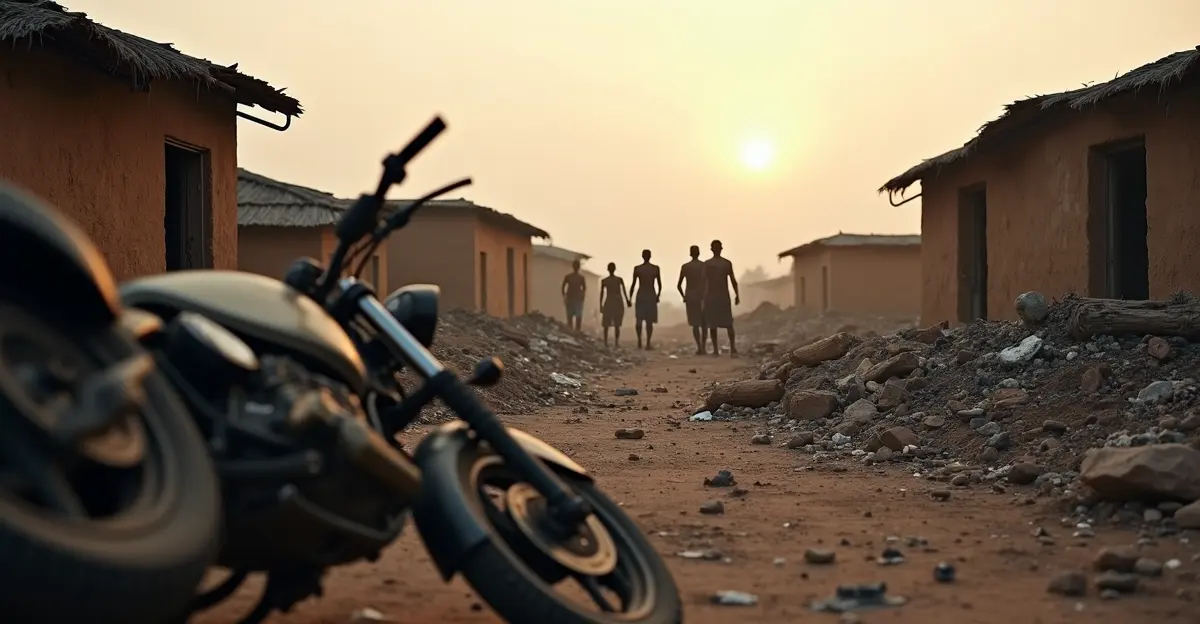
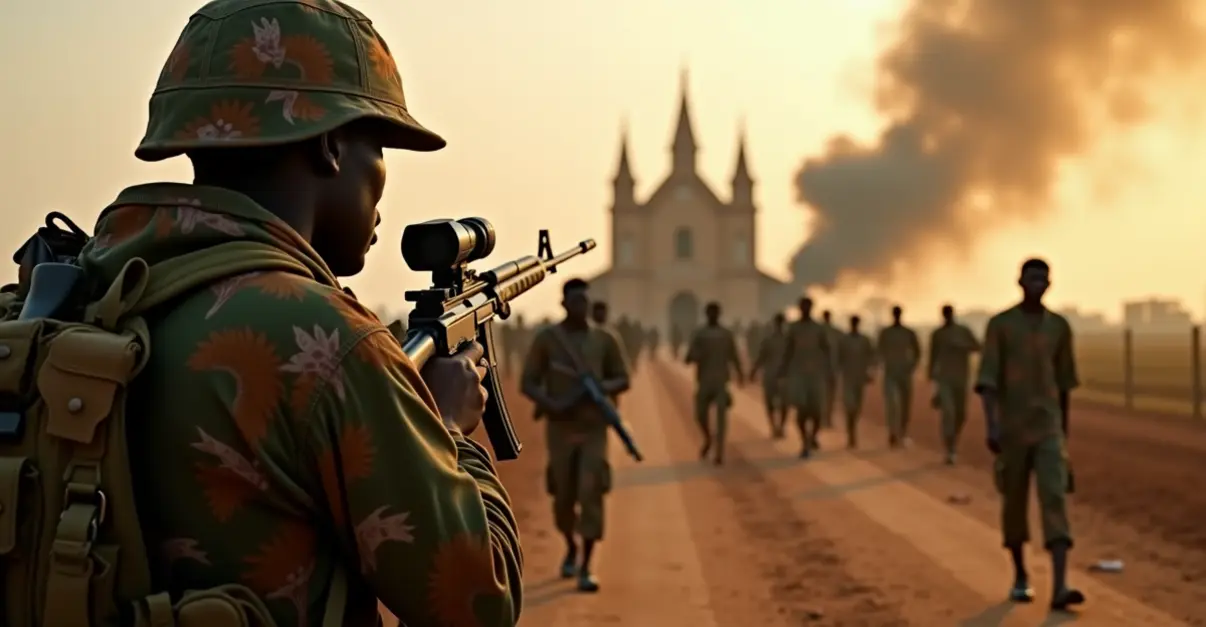
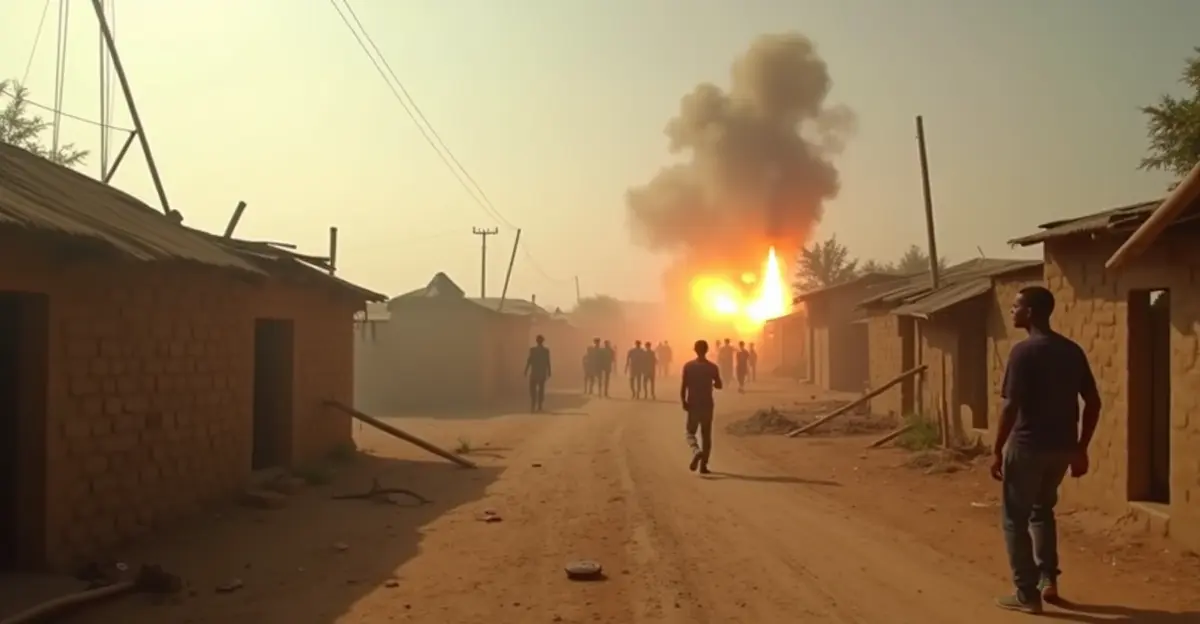
The attack occurred in the early hours of Friday, March 6, 2026, when suspected Islamic militants stormed Ngoshe village in Gwoza Local Government Area of Borno State. According to multiple reports from local officials and international news agencies, the attackers first targeted a military base before moving systematically through the community, firing shots indiscriminately and setting homes, shops, and military installations ablaze. 'This was a coordinated, well-planned assault designed to maximize terror and capture as many civilians as possible,' said a local security official who spoke on condition of anonymity.
Ngoshe, located near Nigeria's border with Cameroon, has been repeatedly targeted by militant groups over the past decade. The village's mountainous terrain and proximity to insurgent hideouts make it particularly vulnerable to attacks. This latest assault appears to be retaliation for recent Nigerian military operations that killed three Boko Haram commanders, according to local officials speaking to the Associated Press.
Who is Responsible for the Attack?
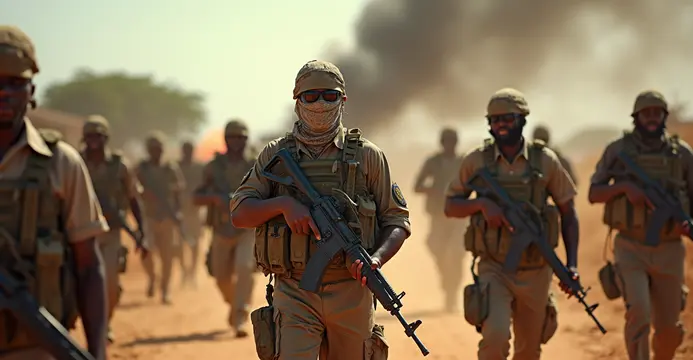
While no group has officially claimed responsibility, evidence points to Boko Haram or its splinter faction, Islamic State West Africa Province (ISWAP). The Nigerian newspaper The Guardian obtained a video showing five men claiming to have 'conquered' the community and declaring it would be incorporated into their territory. 'We have taken control of this territory and will administer it according to our principles,' one militant declared in the video.
The attack follows a pattern of Boko Haram resurgence tactics observed throughout 2025, where the group has increasingly returned to mass kidnapping as both a revenue source and terror tactic. Security analysts note that the scale of this abduction – over 300 people – suggests sophisticated planning and coordination rarely seen in recent years.
The Growing Kidnapping Crisis in Nigeria
This mass abduction is not an isolated incident but part of a broader epidemic of kidnappings that has plagued Nigeria for years. According to research firm SBM Intelligence, between July 2024 and June 2025 alone, at least 4,722 people were kidnapped across Nigeria, with the majority occurring in the northwest region. The organization describes Nigeria's kidnapping crisis as 'a structured, profit-driven industry' that generates billions in ransom payments.
Key statistics about Nigeria's kidnapping epidemic:
- 4,722 people kidnapped between July 2024-June 2025 (SBM Intelligence)
- ₦2.57 billion (approximately $1.7 million) paid in ransoms during same period
- 2,938 kidnappings in northwest Nigeria alone
- 580 civilians kidnapped in 2024 according to Global Centre for R2P
- 300+ abducted in single Ngoshe attack on March 6, 2026
Government Response and International Reaction
The Nigerian federal government faces mounting pressure to address the security crisis. In response to the Ngoshe attack, military forces conducted airstrikes that reportedly killed over 50 insurgents, according to Punch newspaper. The Borno State government has dispatched emergency supplies including rice, sugar, millet, and blankets to affected families in neighboring Pulka, where thousands have fled.
International concern is growing as well. The United Nations has documented thousands of deaths from Nigeria's ongoing conflicts, while Human Rights Watch's 2026 World Report highlights systemic failures in protection and accountability. 'Authorities have consistently failed to protect communities or ensure accountability for atrocities,' the report states regarding Nigeria's security situation.
Last month, American military personnel arrived in Nigeria to provide training support to local forces, reflecting international efforts to bolster Nigeria's counterinsurgency capabilities. However, critics argue that military solutions alone cannot address the root causes of Nigeria's security crisis, which include poverty, unemployment, governance gaps, and climate change impacts.
Impact on Local Communities and Humanitarian Crisis
The Ngoshe attack has created another wave of displacement in a region already suffering from massive humanitarian challenges. Survivors who fled to neighboring Pulka are reportedly sleeping in open spaces or at Central Primary School without adequate food, water, or shelter. Senator Ali Ndume confirmed that more than 100 people remain missing, including the Chief Imam of Ngoshe and several community elders.
Nigeria's northeast has been devastated by over 15 years of conflict, creating what the Global Centre for the Responsibility to Protect describes as a 'severe and escalating crisis.' The organization reports that 7.8 million people are affected by the humanitarian emergency, with 80% being women and children. The conflict has displaced 2.3 million people from their homes since 2013.
What Comes Next for Nigeria's Security?
Security analysts warn that the Ngoshe attack signals a dangerous escalation in Nigeria's multiple security crises. The Atlantic Post identifies several 'major flashpoints' for 2026, including the kidnapping epidemic in the northwest, ethnoreligious violence in the Middle Belt, and resurgent separatist movements in the southeast. New threats like the Lakurwa group – which blends Islamist tactics with banditry – are emerging in the northwest.
The Nigerian government faces the daunting task of addressing multiple overlapping security threats simultaneously while also dealing with economic challenges, including inflation caused by recent economic reforms. With climate change exacerbating resource competition through desertification and changing seasonal patterns, the underlying drivers of conflict show no signs of abating.
Frequently Asked Questions (FAQ)
How many people were kidnapped in the Ngoshe attack?
More than 300 people, including women and children, were abducted during the March 6, 2026 attack on Ngoshe village in Borno State, Nigeria.
Which terrorist group is responsible for the attack?
While no group has officially claimed responsibility, evidence points to Boko Haram or its splinter faction Islamic State West Africa Province (ISWAP). The attack appears to be retaliation for recent Nigerian military operations that killed three Boko Haram commanders.
How common are mass kidnappings in Nigeria?
Mass kidnappings have become increasingly common, with 4,722 people kidnapped between July 2024 and June 2025 alone. The northwest region has been particularly affected, with 2,938 kidnappings during that period.
What is the Nigerian government doing about the security crisis?
The government has deployed military forces and conducted airstrikes against insurgent positions. International support includes American military trainers who arrived last month. However, critics argue that military solutions alone cannot address the root causes of the crisis.
How has the conflict affected civilians in northeast Nigeria?
The conflict has created a massive humanitarian crisis affecting 7.8 million people, with 80% being women and children. Over 15 years of violence has displaced 2.3 million people from their homes.


Follow Discussion