


 Deutsch
 English
 Español
 Français
 Nederlands
 Português


 Share
Share




US Military Targets Islamic State in Northwest Nigeria
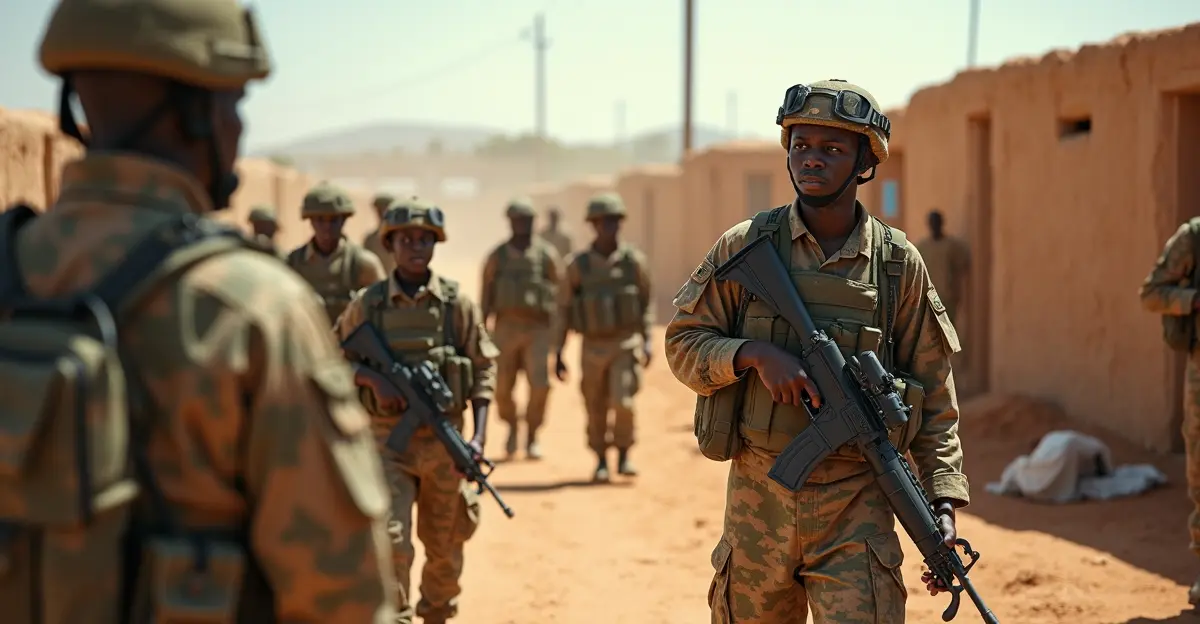
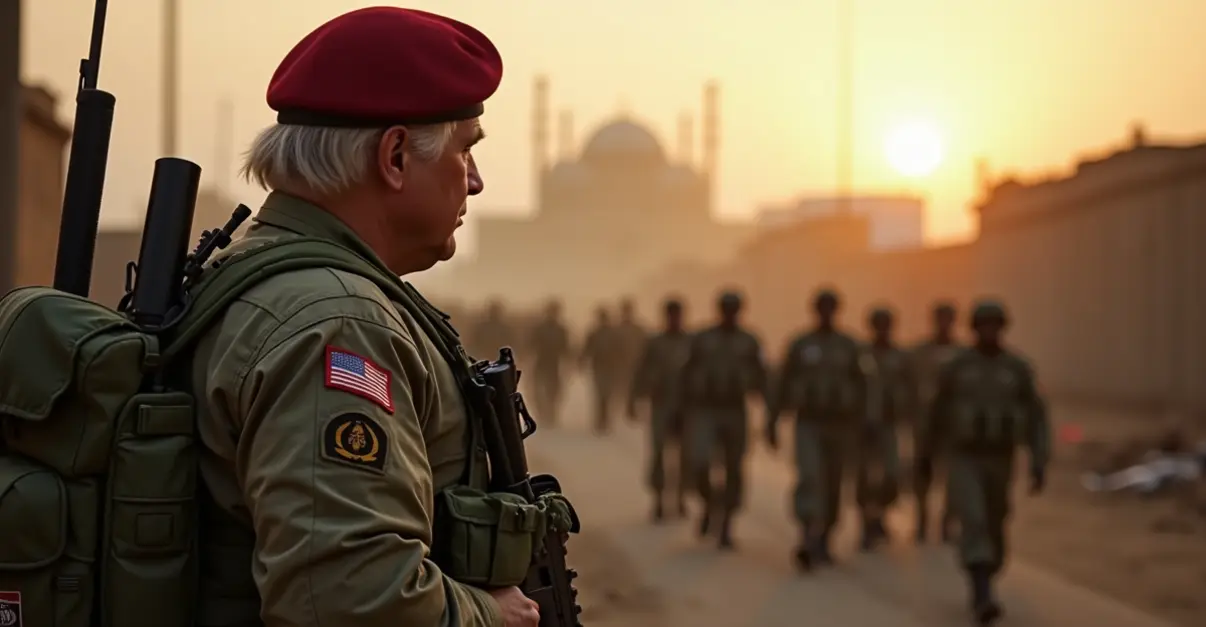
The United States conducted precision airstrikes against Islamic State (ISIS) militants in Nigeria's Sokoto State on December 25, 2025, in what officials describe as a coordinated counterterrorism operation with Nigerian authorities. The strikes, authorized by President Donald Trump and executed by U.S. Africa Command (AFRICOM), targeted ISIS camps in the northwest region where the terrorist group has expanded its operations in recent years.
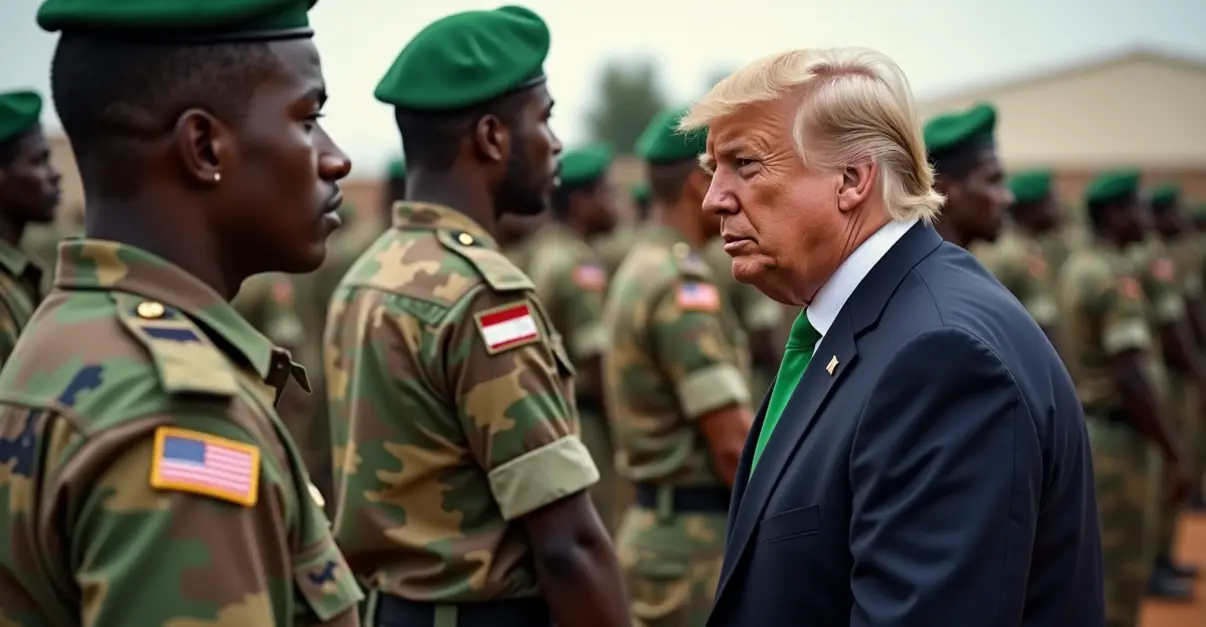
'I warned these terrorists they would pay the price if they didn't stop this slaughter of Christians, and tonight that bill came due,' Trump wrote on his Truth Social platform, framing the military action as protection for Nigeria's Christian population.
Coordinated Operation with Nigerian Government
Both American and Nigerian officials confirmed the strikes, though with notably different framing. The Nigerian Ministry of Foreign Affairs described them as 'precision attacks on terror targets to address the persistent threat of terrorism and violent extremism.' Nigeria's Foreign Minister Yusuf Maitama Tuggar emphasized this was a 'joint operation' that had been planned 'for quite some time' using Nigerian intelligence.
U.S. Africa Command released a statement confirming the operation in Sokoto State, northwest Nigeria, stating the goal was to 'protect Americans and disrupt violent extremist organizations wherever they operate.' General Dagvin Anderson, commander of U.S. Africa Command, emphasized ongoing cooperation with Nigerian and regional partners.
Complex Security Landscape in Nigeria
The strikes come amid a complex security situation in Africa's most populous nation. Nigeria faces multiple overlapping security challenges including the Islamist insurgency led by Boko Haram and its more powerful offshoot, Islamic State West Africa Province (ISWAP), which has expanded from its northeastern strongholds into northwestern states like Sokoto.
According to CNN analysis, while Christians have been victims of attacks in northern Nigeria, Muslims have also suffered significantly from Islamist violence. Crisis monitoring data from 2020-2025 shows that out of over 20,400 civilian deaths, 317 were from attacks targeting Christians and 417 from attacks targeting Muslims, with most victims' religious affiliation unrecorded.
Security experts note that Nigeria's violence stems from multiple factors including criminal banditry, ethnic tensions, farmer-herder conflicts exacerbated by climate change, and extremist groups like Boko Haram and ISWAP.
Political Context and Timing
The timing of the Christmas Day strikes appears politically significant. 'By striking on Christmas, Trump can present the action as protecting Christians and score points with his Christian base,' noted NOS correspondent Rudy Bouma. Other Republicans, including Senator Ted Cruz, have long spoken out about violence against Christians in Nigeria.
Nigerian President Bola Tinubu had previously rejected Trump's characterization of religious intolerance in October, stating that 'portraying Nigeria as a religiously intolerant country does not reflect reality and ignores the constant and sincere efforts of the government to protect the freedom of religion and religions of all Nigerians.'
The Reuters report indicates this represents a significant U.S. military intervention in Nigeria's ongoing security challenges, where Islamic State affiliates have been increasingly active in the northwest region.
Regional Implications and Future Operations
The strike marks a notable escalation in U.S. military engagement in West Africa's Sahel region. According to Military Africa, the operation involved weeks of intensified aerial surveillance and intelligence gathering, targeting ISIS elements that have migrated from Nigeria's northeast to the northwest, exploiting porous borders and forest reserves.
Secretary of Defense Pete Hegseth warned that more actions may follow, suggesting this could be the start of a sustained counter-terrorism campaign in the region. The operation demonstrates the continued U.S. commitment to counterterrorism efforts in Africa, where Islamic State and al-Qaeda affiliates have expanded their presence in recent years.
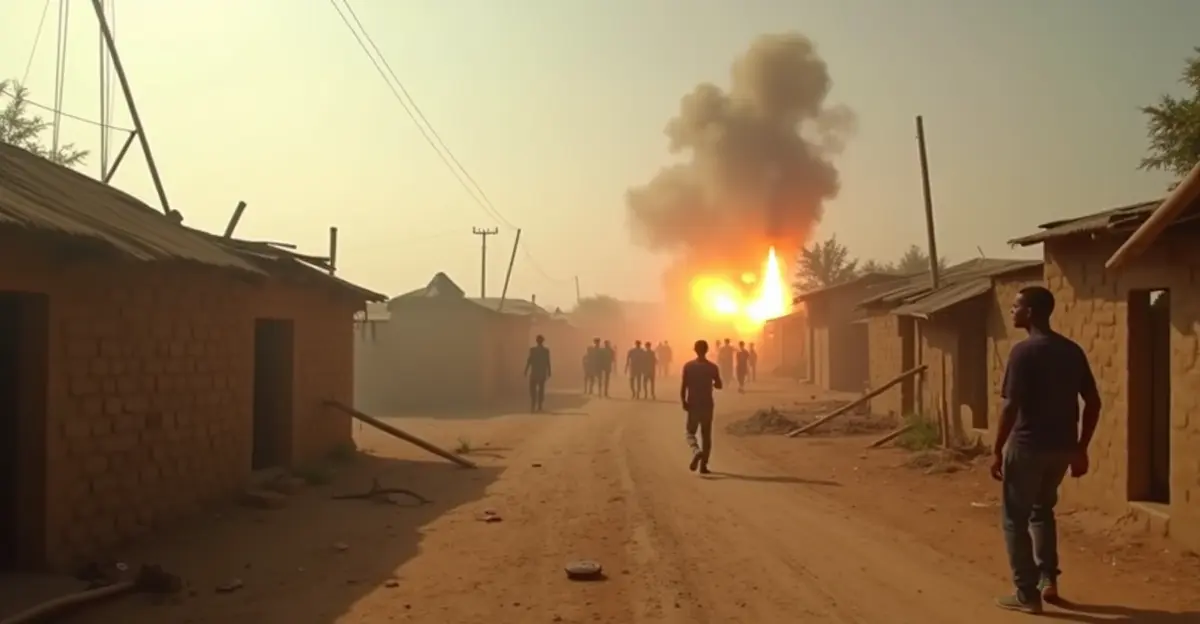
As Nigeria continues to grapple with security challenges from multiple angles—including yesterday's suicide bombing at a mosque in Maiduguri that killed five people—the U.S. strikes represent both immediate military action and broader geopolitical positioning in a region where great power competition is increasingly evident.
Follow Discussion