


 Deutsch
 English
 Español
 Français
 Nederlands
 Português


 Share
Share




Brussels Teen Violence Case Takes Dramatic Turn
A 14-year-old boy has voluntarily surrendered to police in connection with the shocking case of a 15-year-old teenager who was set on fire in Brussels last week. The incident, which occurred near the Biestebroek Quay in the Anderlecht district of Brussels, has sent shockwaves through Belgium and raised serious concerns about youth gang violence in the capital.
The Horrific Attack
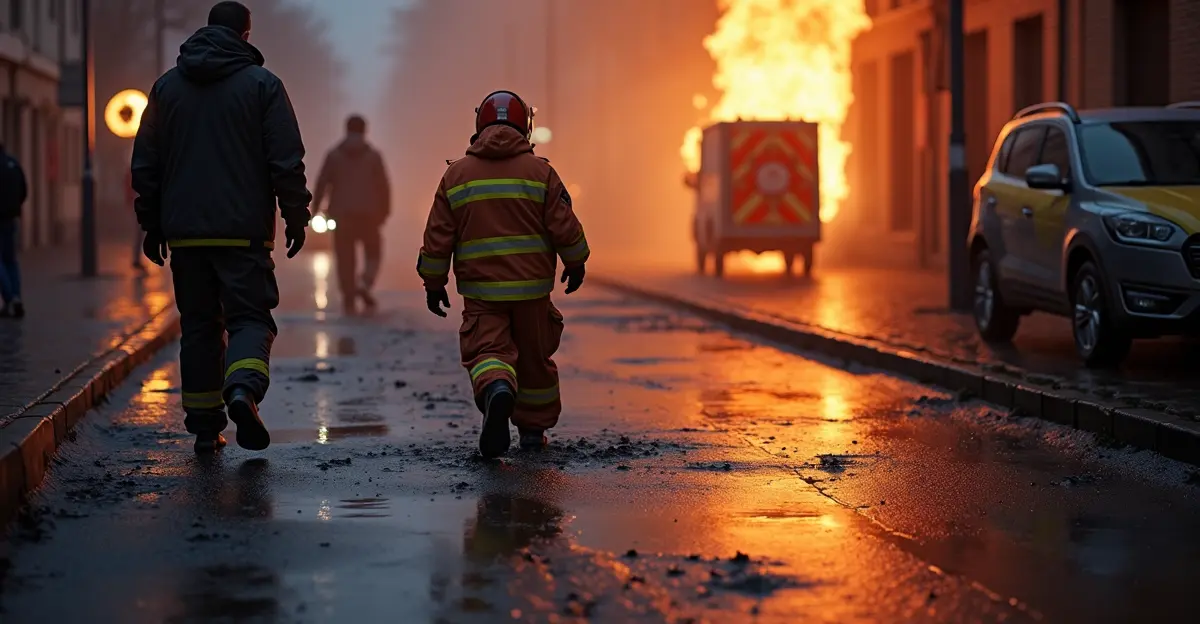
According to police reports and local media, the attack took place on Friday evening when approximately 15 youths were involved in an altercation. The 15-year-old victim was doused with a flammable liquid, believed to be gasoline, and then deliberately set on fire. In a desperate attempt to save himself, the teenager jumped from a bridge into the Brussels-Charleroi Canal.
The victim sustained serious injuries but is now reported to be out of life-threatening danger. 'The young age of the victim, as well as the exceptional severity of the facts - the victim was doused with gasoline by several people and then set on fire - make this incident particularly shocking,' said Anderlecht Mayor Fabian Cumps, who visited the victim's family alongside the police chief.
Investigation and Arrests
The 14-year-old who turned himself in is from the Halle-Vilvoorde region. This marks the second arrest in the case, following the earlier detention of a 16-year-old from Dendermonde who appeared before a youth judge and was placed in the Everberg youth detention centre. According to VRT News, authorities believe multiple gangs were involved in the incident, though the exact circumstances leading up to the attack remain unclear.
Sources speaking to Het Nieuwsblad indicate that police are still searching for at least one other minor suspect. The Brussels prosecutor's office is leading the investigation into what appears to be a particularly brutal case of youth violence.
Broader Context of Brussels Gang Violence
This incident occurs against a backdrop of escalating gang violence in Brussels, particularly related to drug trafficking. Belgium's Drug Commissioner Ine Van Wymersch recently warned that massive cocaine profits - up to €50,000 daily at single hotspots - have fueled a surge in gang violence, with four shootings occurring in just three days in Brussels. 'Since the pandemic, cocaine has become the primary product, bringing significantly more money that enables gangs to recruit more people and purchase advanced weaponry,' Van Wymersch explained in a recent interview.
According to crime statistics, Brussels has the second highest murder rate in the European Union and experienced record shootings in 2025. The Port of Antwerp serves as a major European drug trafficking hub, leading to concerns that Belgium has become a 'narco-state.'
Community Response and Future Concerns
The Anderlecht community has been deeply affected by this incident. The Brussels-Charleroi Canal area, where the attack occurred, is an important waterway connecting Brussels to Charleroi and part of Belgium's industrial infrastructure. The fact that such extreme violence could occur in this location has raised questions about public safety and youth protection measures.
Local authorities face significant challenges in addressing youth gang violence, particularly given Brussels' complex administrative structure with 19 different municipal authorities. The recent wave of violence has prompted Brussels mayors to temporarily unify police forces in an attempt to better coordinate responses.
As the investigation continues, the case highlights the urgent need for comprehensive strategies to address youth violence, gang recruitment, and the broader social factors contributing to such extreme criminal behavior among minors in Belgium's capital.
Follow Discussion