


 Deutsch
 English
 Español
 Français
 Nederlands
 Português


 Share
Share




Major Terror Plot Thwarted in Bavaria
German security forces have successfully prevented what authorities describe as a potentially devastating Islamist-motivated attack on a Christmas market in southern Bavaria. In a coordinated operation on Friday, police arrested five men suspected of planning a vehicle-ramming attack on a Christmas market in the Dingolfing area of Lower Bavaria.
The Suspects and Their Alleged Plans
The suspects include a 56-year-old Egyptian national, a 37-year-old Syrian, and three Moroccans aged 22, 28, and 30. According to prosecutors, four of the men have been issued formal arrest warrants, while the fifth is being held in preventative custody. Investigators believe the group was planning to carry out an attack using a vehicle, targeting crowded Christmas market visitors during the busy holiday season.
'The arrests prevented a potential Islamist attack,' stated Bavarian Interior Minister Joachim Herrmann, who praised security authorities for their excellent cooperation in foiling the plot. 'This shows that our security authorities are vigilant and act quickly when there are concrete indications of danger.'
Intelligence Tip Leads to Arrests
The German Federal Prosecutor's Office revealed that authorities were alerted to the plot through a tip from a foreign intelligence service. While the exact timing and specific details of the planned attack remain unclear, investigators suspect the Egyptian national allegedly called for an attack during sermons at a local mosque in the Dingolfing-Landau area.
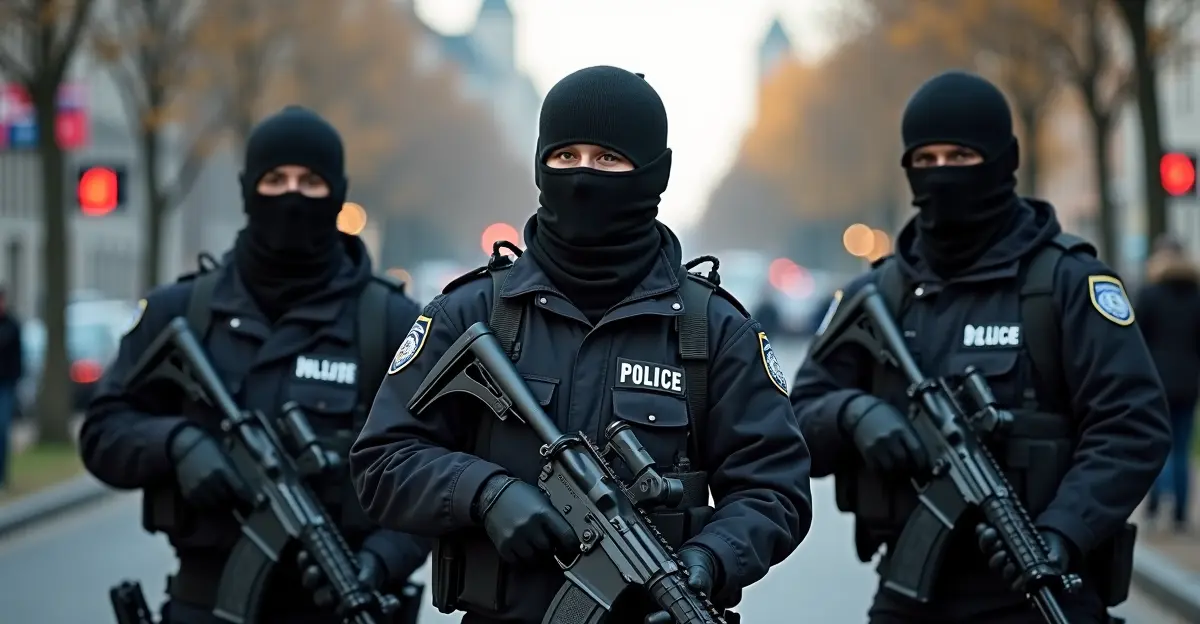
The operation was led by Bavaria's Central Office for Combating Extremism and Terrorism (ZET) with involvement from the State Office for the Protection of the Constitution, Germany's domestic intelligence agency. This comes amid heightened security concerns across Germany following several high-profile attacks on Christmas markets in recent years.
Heightened Security Following Previous Attacks
The foiled plot comes just one year after the deadly Magdeburg Christmas market attack in December 2024, where a 50-year-old Saudi Arabian doctor drove a rented BMW X3 through a crowded market, killing six people and injuring 338 others. That attack, though classified by authorities as a rampage rather than terrorism, has led to significant security upgrades at Christmas markets nationwide.
Enhanced Protective Measures
German Christmas markets have implemented extensive security measures this season, including concrete barriers to prevent vehicle access, increased police presence, surveillance cameras, and emergency training for staff. According to security experts, security spending for public events in Germany has increased by 44% over the past three years.
'The threat situation remains serious,' noted a security official who spoke on condition of anonymity. 'Christmas markets are considered soft targets, and we must remain extremely vigilant throughout the holiday season.'
The financial burden of these enhanced security measures has become significant for many municipalities. Some smaller towns have warned they may need to scale back or cancel their Christmas markets due to unaffordable security costs, which can reach millions of euros for larger cities.
Broader Context of Christmas Market Security
Christmas markets, or Weihnachtsmärkte, are a cherished German tradition dating back to the Late Middle Ages, with Dresden's Striezelmarkt first held in 1434. Today, Germany hosts approximately 3,000 Christmas markets that attract about 170 million visitors annually, generating hundreds of millions in revenue for local economies.
However, in the 21st century, these festive gatherings have increasingly become targets for terrorist attacks. Beyond the Magdeburg attack, other incidents include the 2016 Berlin Christmas market truck attack that killed 12 people, and attacks or attempted attacks in cities including Vienna, Strasbourg, and Potsdam.
International Security Cooperation
The successful prevention of the Dingolfing plot highlights the importance of international intelligence sharing. The tip from a foreign intelligence service that led to the arrests demonstrates how cross-border cooperation can be crucial in preventing terrorist attacks.
Security analysts note that both Christian and Jewish festivals are seen as potential targets by extremist groups, requiring increased vigilance during holiday seasons. The German government has classified Christmas markets as high-risk events, implementing security protocols similar to those used for major political gatherings or international summits.
As investigations into the foiled plot continue, German authorities have urged the public to remain alert but not to avoid Christmas markets. 'We want people to enjoy our traditional Christmas markets,' said Interior Minister Herrmann. 'The increased security measures are there to protect visitors, and we will continue to do everything necessary to ensure their safety.'
The five suspects remain in custody as prosecutors prepare their case, with further details expected to emerge as the investigation progresses.



Follow Discussion