Deutsch
 English
 Español
 Français
 Nederlands
 Português






Entertainment Production Labor Talks Update: Negotiations, Delays, and Sector Impact
The Current State of Hollywood Labor Negotiations
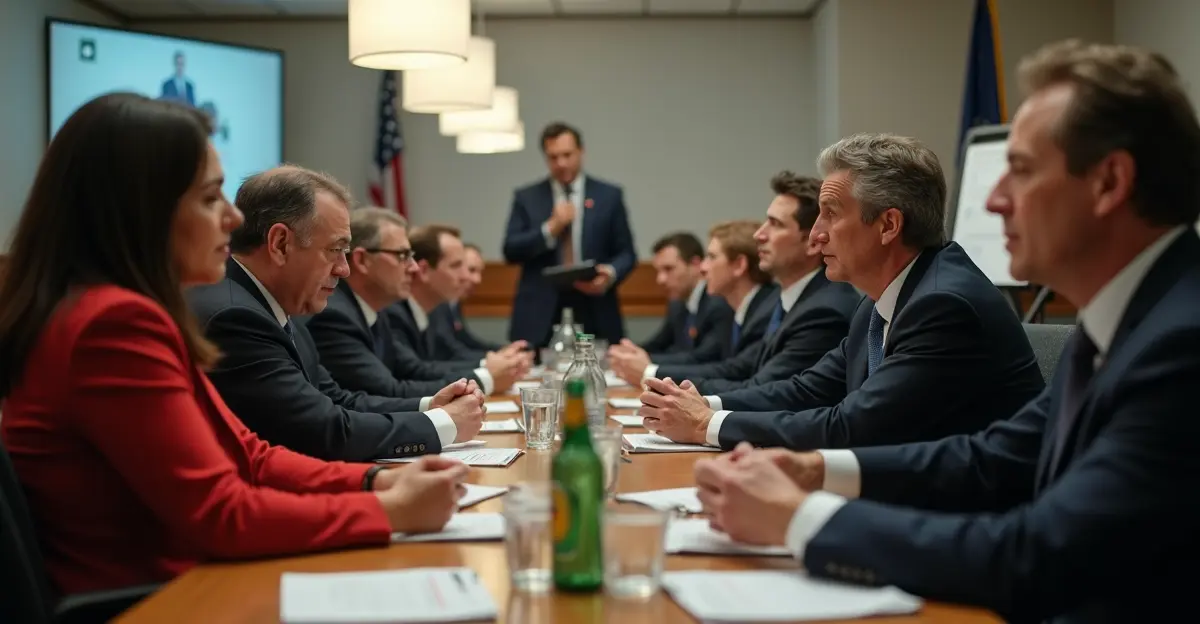
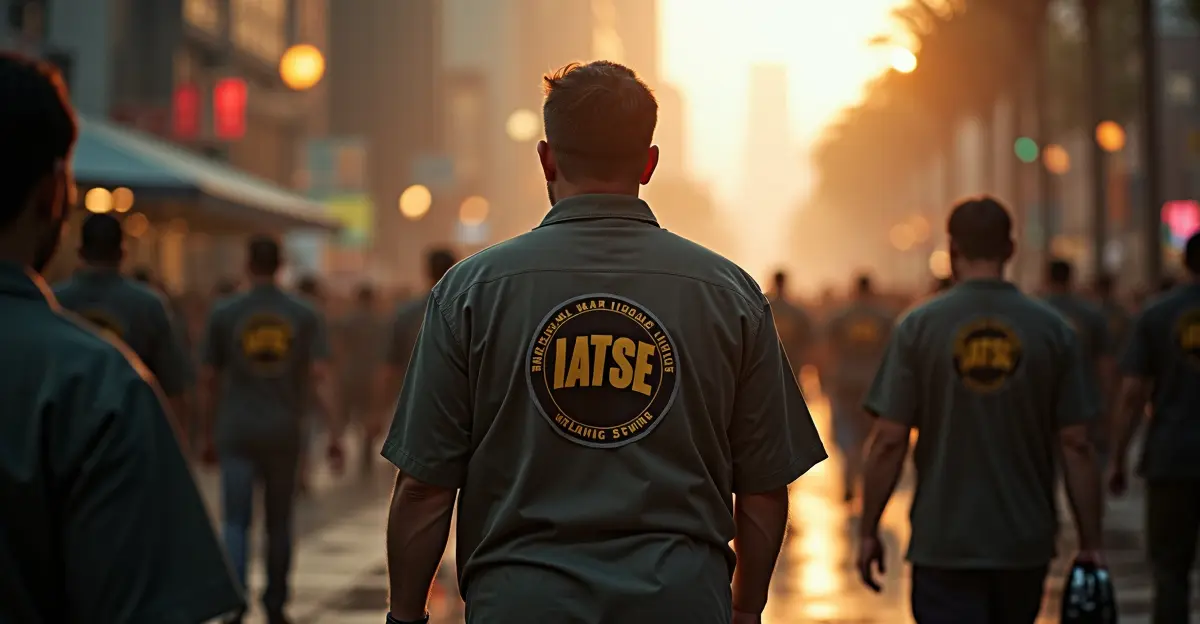
As 2025 unfolds, Hollywood's entertainment production landscape remains in a state of flux following the historic 2023 strikes by the Writers Guild of America (WGA) and SAG-AFTRA. While those major labor actions concluded with significant victories for writers and actors—including streaming residuals and AI protections—the industry now faces new challenges with ongoing negotiations involving behind-the-scenes workers. The International Alliance of Theatrical Stage Employees (IATSE), representing over 170,000 technicians, artisans, and craftspersons, is at the center of current labor discussions that could determine the future of film and television production.
According to recent reports, IATSE has unveiled its 2025 Federal Issue Agenda, outlining six key policy priorities to support entertainment workers. IATSE President Matthew D. Loeb emphasized that 'revitalizing America's entertainment industries requires investing in the behind-the-scenes professionals who build sets, rig lights, and operate cameras.' The union aims to work with Congress to advance policies benefiting working-class entertainment professionals, including implementing a federal film and television production tax incentive and establishing safeguards for ethical AI use.
Production Delays and Economic Consequences
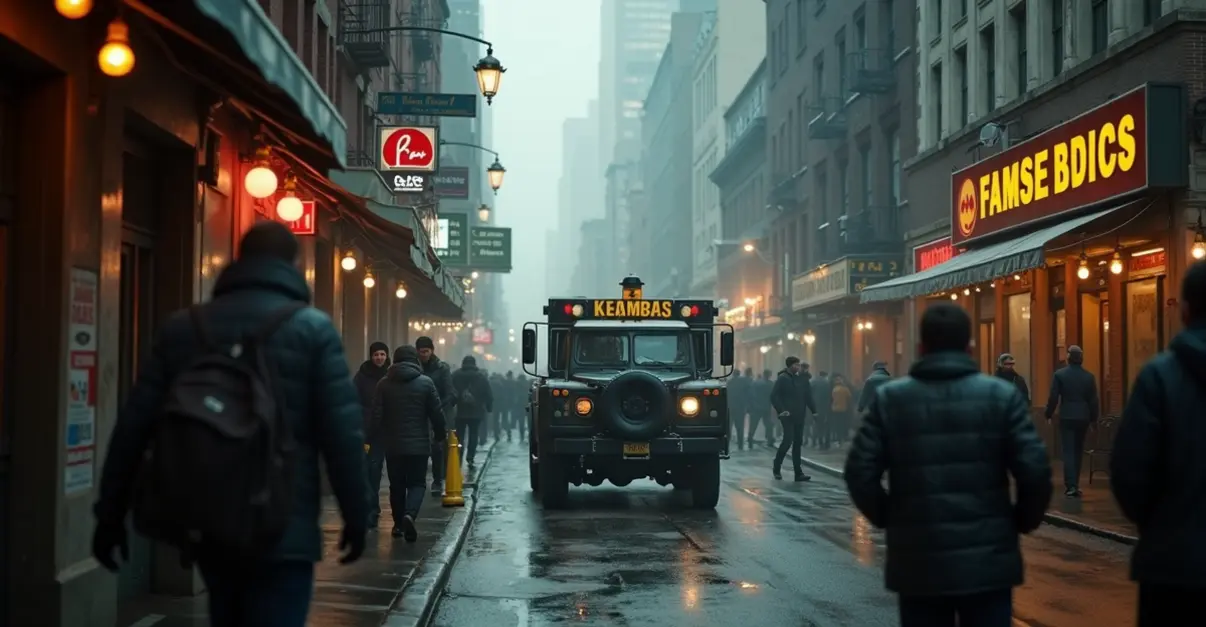
The economic impact of production delays continues to ripple through California's economy. According to a Milken Institute report, California suffered a $4.14 billion loss in total output and 17,234 job losses between 2019-2023 due to declining entertainment industry share. Entertainment jobs decreased by 15% from Q2 2019 to Q2 2024, creating what industry experts describe as the most significant threat Hollywood has faced in over a century.
Recent data shows Hollywood film and TV production in Los Angeles experiencing a severe decline, with on-location filming down 22% for the first quarter of 2025. Television production in greater Los Angeles has plummeted from a peak of 18,560 shoot days in 2021 to just 7,716 in 2024. Assistant editor Manny Shaw, who has been struggling to find work, told reporters, 'There's no work. I have qualifications, experience, but the opportunities just aren't there anymore.'
The California Production Coalition estimates each location shoot adds $670,000 and 1,500 jobs daily to the local economy, highlighting the broader economic impact of this production downturn. Supporting businesses like prop houses, costume shops, and catering firms face existential threats as production slows.
Internal Union Reforms and Member Concerns
Within IATSE, internal reform efforts led by the Caucus of Rank-and-File Entertainment Workers (CREW) are gaining momentum. Formed in 2022 after members rejected a contract that passed through an electoral college system despite popular vote opposition, CREW has developed 11 proposals under their STAND platform (Supporting Transparency, Accountability, New Ideas, and Democracy). Key reforms include establishing direct elections for the IATSE International President and ending the electoral college voting system for contracts.
CREW member and lighting technician Sarah Chen explained, 'We're fighting for a more democratic union that truly represents the workers on the ground. The current system doesn't always reflect what members actually want.' The group faces resistance from union leadership and local delegates, with many locals refusing to discuss proposals with members. Despite obstacles, CREW members remain optimistic about creating a more participatory union structure.
Industry-Wide Challenges and Future Outlook
The entertainment industry faces multiple simultaneous threats including streaming stagnation, loss of DVD and broadcast revenue, and competition from other locations offering more attractive film incentives. According to NPR's analysis, two years after the 2023 Hollywood strikes, production levels have not returned to pre-strike levels. Major studios like Disney and Netflix have cut production budgets, leading to a 17% drop in actor employment and 14% decline for writers nationally.
California's tax incentives are no longer competitive enough with other production hubs like Toronto, the UK, Vancouver, and Georgia. This has created a perfect storm of challenges that industry analyst David Rodriguez describes as 'unprecedented in modern Hollywood history. We're seeing structural changes that could permanently reshape how and where content gets produced.'
Despite these challenges, some creative sectors in Los Angeles continue to thrive. According to Forbes, emerging creative industries, innovative businesses, and cultural developments are driving economic success beyond the conventional Hollywood model, suggesting a diversification of LA's creative landscape.
Looking Ahead: 2025 Negotiations and Beyond
As both WGA and SAG-AFTRA prepare for next year's contract negotiations with studios, the focus remains on protecting workers in an increasingly uncertain industry. The 2023 strikes caused an estimated $5 billion in economic losses, halting productions and impacting local businesses that rely on the entertainment sector. Key outcomes included better contract terms for writers, minimum staffing requirements, and safeguards against AI replacing human creativity.
Industry veteran and producer Maria Gonzalez notes, 'The landscape has fundamentally changed. We need to find sustainable models that protect workers while allowing the industry to adapt to new technologies and distribution methods.' With IATSE's negotiations ongoing and other unions preparing for their own talks, 2025 promises to be a critical year for determining the future of entertainment labor relations and production stability.
The coming months will reveal whether Hollywood can implement the reforms needed to restore stability or whether production will continue to shift to more competitive locations, potentially causing permanent damage to California's entertainment ecosystem and the thousands of workers who depend on it.