


 Deutsch
 English
 Español
 Français
 Nederlands
 Português


 Share
Share




The Battle for Charging Standard Supremacy
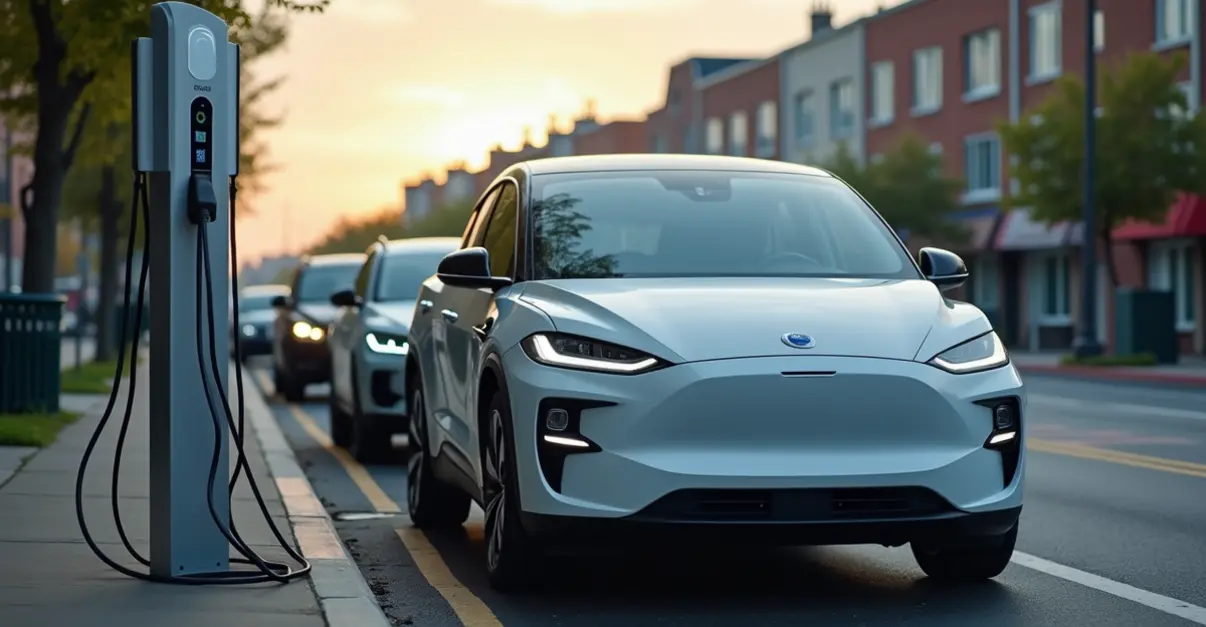
The electric vehicle (EV) industry is experiencing a pivotal moment as the race to standardize charging ports intensifies. With Tesla, CCS (Combined Charging System), and other global regulations vying for dominance, the future of EV infrastructure hangs in the balance. This article delves into the differences between these standards and their implications for the automotive world.
Tesla's Proprietary Edge
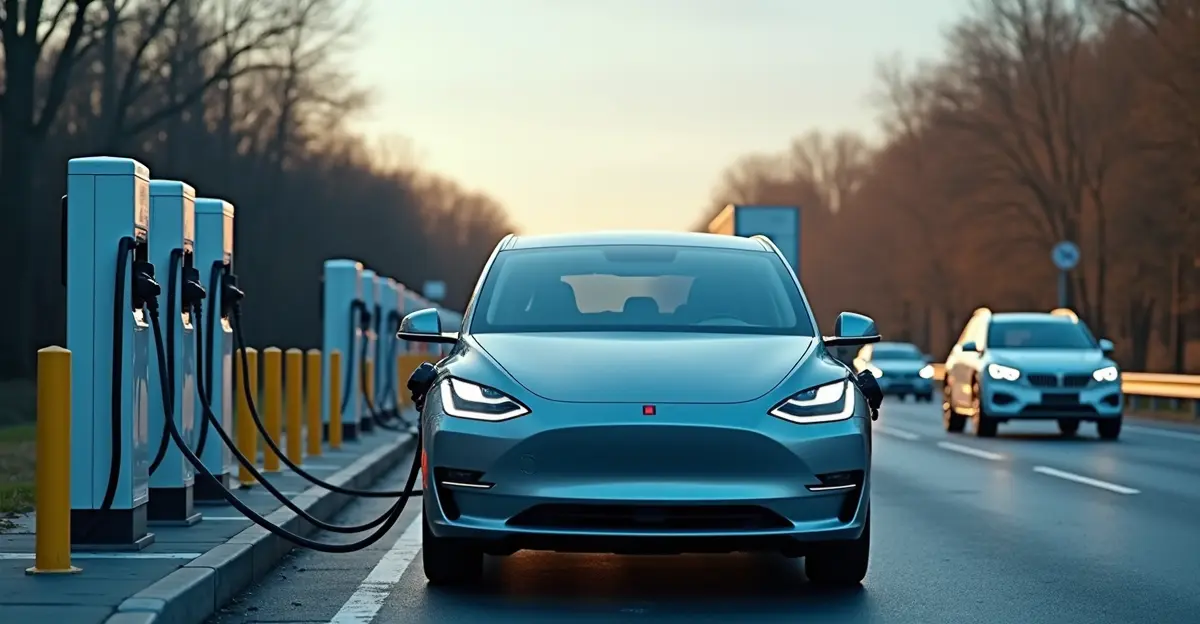
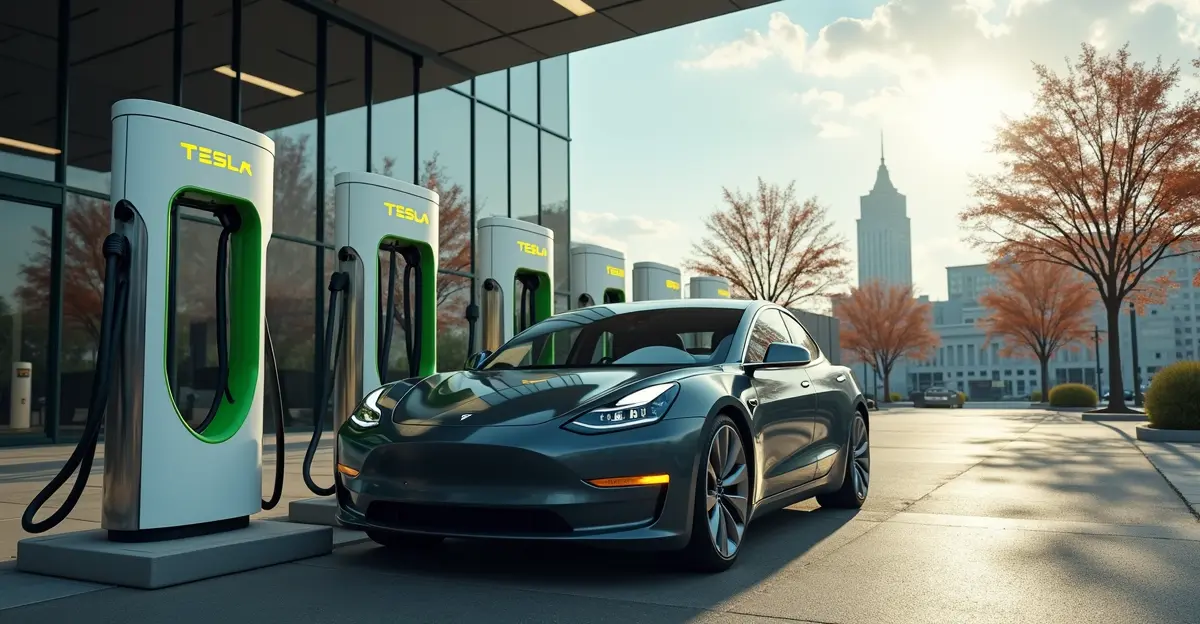
Tesla has long been a leader in the EV market, not just for its vehicles but also for its proprietary charging network. The company's North American Charging Standard (NACS), unveiled in 2022, offers a streamlined solution with high power capacity (up to 1MW). Tesla's extensive network of Superchargers gives it a competitive edge, but its proprietary nature has sparked debates about interoperability and market monopolization.
CCS: The Global Contender
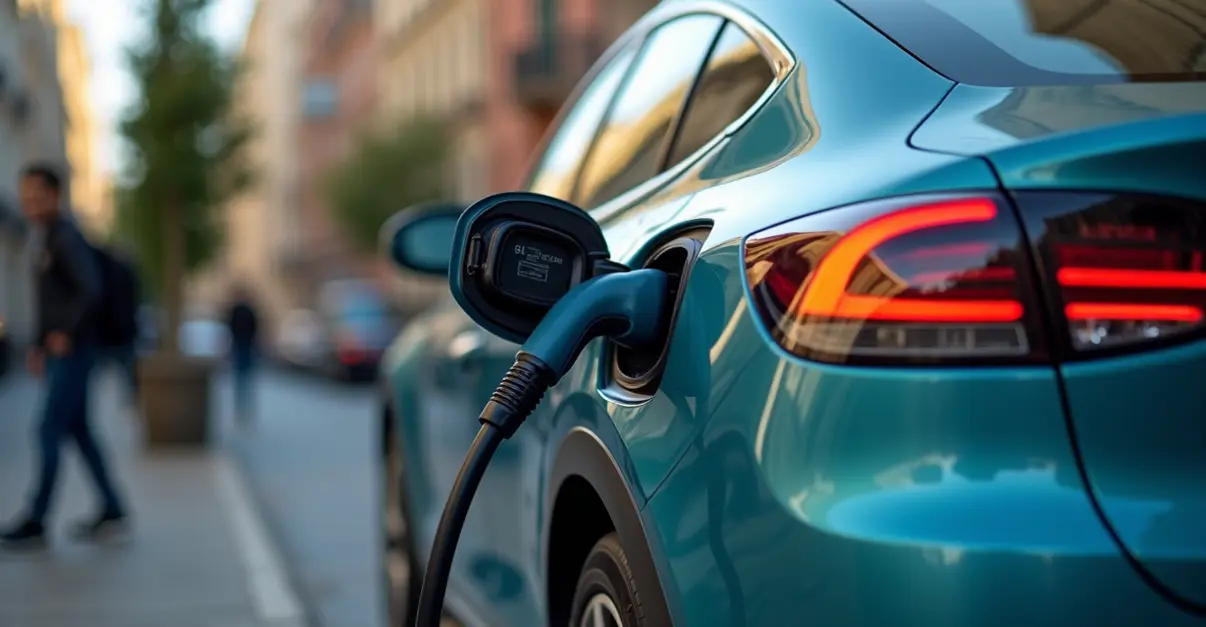
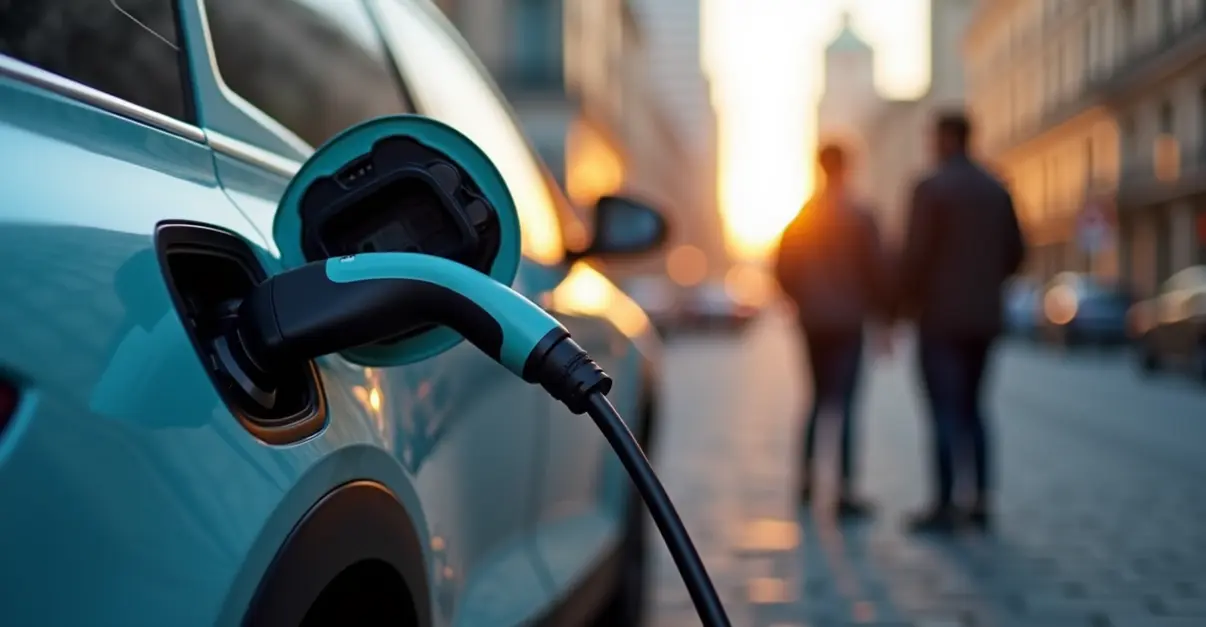
The Combined Charging System (CCS) is widely adopted in Europe and North America, with CCS1 and CCS2 variants catering to regional needs. CCS supports both AC and DC charging, with power outputs up to 350 kW. Its open standard has made it a favorite among automakers and governments, especially with the EU mandating CCS2 for public charging networks. However, CCS faces challenges in matching Tesla's charging speed and network density.
Global Regulations and the Push for Standardization
Governments worldwide are stepping in to ensure interoperability and fair competition. The U.S. has allocated $7.5 billion for a national EV charging network, requiring CCS compatibility. Meanwhile, the EU's strict regulations favor CCS2, creating a fragmented market. The rise of NACS, with Ford and GM adopting it by 2025, adds another layer of complexity.
The Road Ahead
As the EV market grows, the need for a unified charging standard becomes critical. While Tesla's NACS offers performance advantages, CCS's open nature aligns with regulatory goals. The coming years will likely see a hybrid approach, with adapters and multi-standard chargers bridging the gap. For consumers, this means more choices but also potential confusion.
Follow Discussion