


 Deutsch
 English
 Español
 Français
 Nederlands
 Português


 Share
Share




What is Waymo's Door Problem?
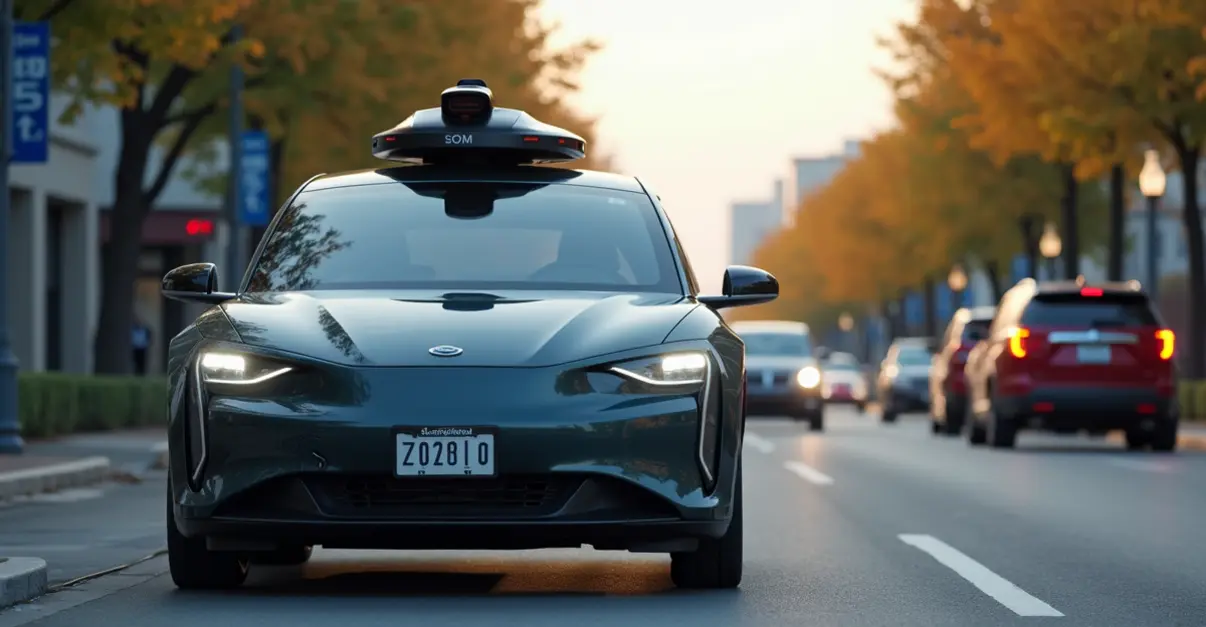
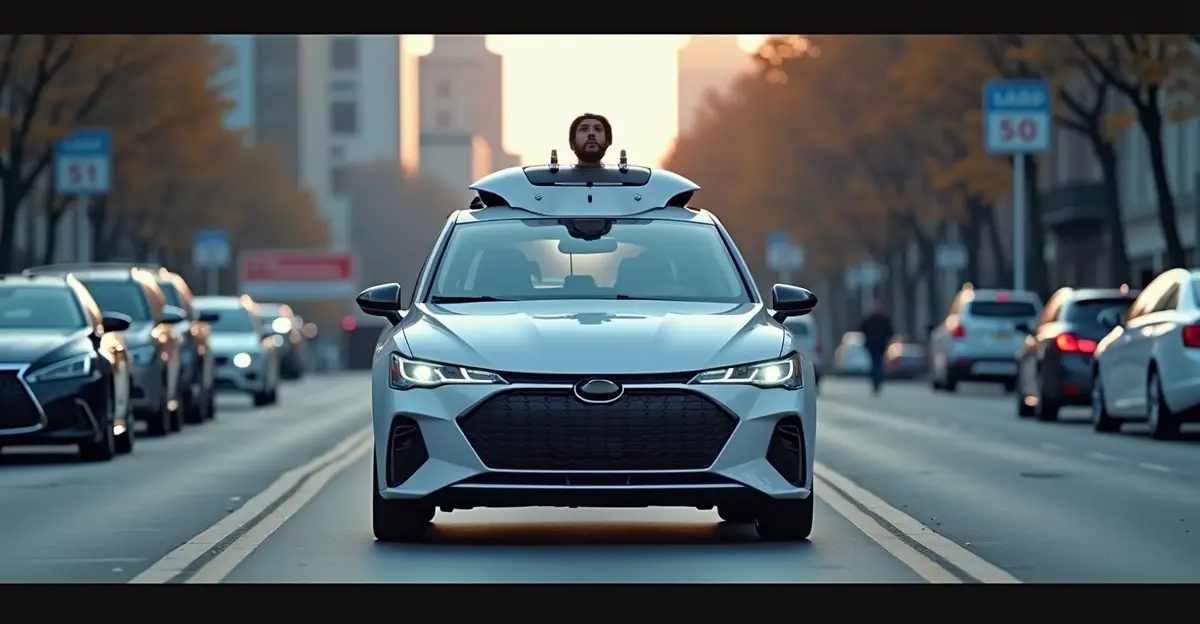
Waymo, Alphabet's autonomous vehicle subsidiary and market leader in self-driving technology, is facing an unexpected operational challenge in 2026: its advanced robotaxis cannot close their own doors. With over 1,500 autonomous vehicles operating across multiple U.S. cities, Waymo has discovered that passengers frequently forget to close doors after exiting, leaving vehicles stranded and unable to resume service. This seemingly simple limitation has forced the company to implement a creative solution involving human intervention through gig economy partnerships.
The Human Doormen Solution Explained
To address this operational bottleneck, Waymo has launched pilot programs in Atlanta and Los Angeles that leverage existing gig economy platforms. In Atlanta, the company partners with DoorDash delivery drivers who receive notifications when nearby Waymo vehicles have open doors. These drivers are compensated approximately $11.25 per task to drive to the location and manually close the vehicle doors, allowing the autonomous taxis to return to service.
How the DoorDash Partnership Works
The DoorDash partnership operates through a notification system integrated into the DoorDash driver app. When a Waymo vehicle detects an open door after passenger departure, it sends a signal to Waymo's operations center, which then alerts nearby DoorDash drivers. The drivers receive:
- Guaranteed base pay of $6.25 per door-closing task
- Additional $5 bonus for providing photographic proof of completion
- Priority access to higher-paying delivery opportunities
This arrangement creates a win-win situation where DoorDash drivers earn supplemental income while Waymo maintains fleet efficiency. Similar to how Tesla's Full Self-Driving technology faces regulatory scrutiny, Waymo's operational workaround highlights the practical challenges of autonomous vehicle deployment.
Previous Solutions in Los Angeles
Before the Atlanta pilot, Waymo had already implemented a similar solution in Los Angeles through a partnership with roadside assistance platform Honk. In this arrangement, Honk users can earn up to $24 for closing Waymo vehicle doors, with payments varying based on location and urgency. The Honk partnership demonstrates Waymo's adaptive approach to solving operational challenges across different markets.
Technical Limitations and Future Solutions
Waymo's current generation of autonomous vehicles lacks automated door-closing mechanisms due to several technical considerations:
- Safety concerns: Automated door closing could potentially injure passengers or damage property
- Sensor interference: Door mechanisms might interfere with the vehicle's extensive sensor array
- Cost considerations: Adding automated door systems increases vehicle complexity and expense
Waymo has confirmed that future vehicle generations will include automated door-closing capabilities. The company's 6th-generation autonomous driving system, announced in early 2026, represents seven years of development and nearly 200 million fully autonomous miles of experience. However, current operational vehicles require this human-assisted workaround.
Impact on Autonomous Vehicle Industry
This door-closing challenge reveals broader implications for the autonomous vehicle industry:
| Challenge | Waymo's Solution | Industry Impact |
|---|---|---|
| Open doors immobilize vehicles | Human gig workers close doors | Highlights need for comprehensive vehicle automation |
| Operational downtime costs | Quick human intervention reduces downtime | Demonstrates hybrid human-AI operational models |
| Passenger behavior variability | Adaptive partnerships with existing platforms | Shows importance of human factors in AV design |
The situation underscores how even the most advanced autonomous systems still require human assistance for certain physical tasks. As autonomous delivery robots face similar operational challenges, the industry is learning that full autonomy involves more than just driving capabilities.
Economic and Operational Implications
Waymo's valuation of $126 billion reflects investor confidence in autonomous vehicle technology, but operational challenges like door closing reveal the practical realities of scaling robotaxi services. The company's creative solution demonstrates:
- Operational flexibility: Leveraging existing gig economy infrastructure
- Cost-effective problem-solving: Paying $11.25 per door closure versus vehicle redesign
- Rapid deployment capability: Implementing solutions across multiple cities quickly
Industry analysts note that such workarounds may become common as autonomous vehicle companies navigate the transition to full automation. The approach mirrors how electric vehicle charging infrastructure development requires creative partnerships and interim solutions.
Future Developments and Expansion
Waymo plans to expand its robotaxi service to several new U.S. cities in 2026 while continuing operations in six existing markets. The company is also developing international expansion plans including London and Tokyo. As the technology evolves, automated door-closing systems will likely become standard features, eliminating the need for human intervention.
'This is a temporary solution while we develop automated door-closing technology for future vehicles,' a Waymo spokesperson confirmed. 'Our partnerships with DoorDash and Honk demonstrate our commitment to maintaining reliable service while advancing our technology.'
Frequently Asked Questions
Why can't Waymo vehicles close their own doors?
Current generation Waymo vehicles lack automated door-closing mechanisms due to safety considerations, sensor interference concerns, and cost factors. The company is developing this capability for future vehicle generations.
How much do DoorDash drivers earn for closing Waymo doors?
DoorDash drivers earn approximately $11.25 per door-closing task in Atlanta, consisting of a $6.25 base pay plus a $5 bonus for providing proof of completion.
Is this door problem unique to Waymo?
While Waymo is the most prominent example, similar challenges affect other autonomous vehicle companies. The issue highlights broader industry challenges with physical vehicle operations beyond driving capabilities.
Will future autonomous vehicles solve this problem?
Yes, Waymo and other autonomous vehicle manufacturers are developing automated door-closing systems for future vehicle generations, which will eliminate the need for human intervention.
How does this affect Waymo's expansion plans?
The door-closing workaround allows Waymo to continue expanding its services while developing permanent technological solutions. The company plans to enter several new U.S. cities in 2026.



Follow Discussion