Nederlands
 English
 Deutsch
 Français
 Español
 Português





The Rise of Digital Vehicle Recalls
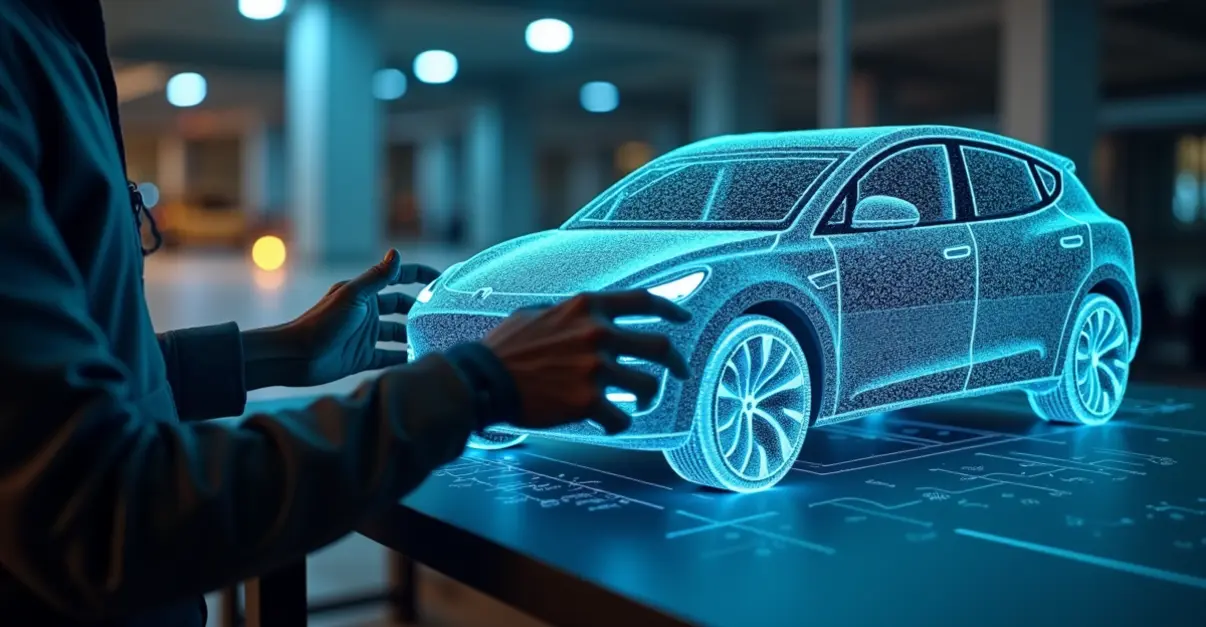
The automotive industry is undergoing a seismic shift as electric vehicles (EVs) increasingly rely on over-the-air (OTA) updates to address safety concerns. What was once a trip to the dealership for physical repairs has transformed into a digital process where manufacturers can remotely patch software vulnerabilities and fix critical safety issues. However, this technological advancement brings new challenges for consumers, dealers, and regulators alike.
Understanding OTA Safety Recalls
An over-the-air update is essentially a wireless software patch delivered to vehicles through cellular or Wi-Fi connections. According to Wikipedia, these updates can modify everything from operating systems to firmware in embedded systems. When these updates address safety defects, they're classified as recalls by regulatory bodies like the National Highway Traffic Safety Administration (NHTSA).
'The distinction between a standard software update and a safety recall is crucial,' explains automotive safety expert Dr. Sarah Chen. 'Manufacturers must notify the NHTSA and vehicle owners when an OTA update fixes a safety defect that could lead to crashes, injuries, or fatalities.'
2025-2026 Recall Landscape
The 2025 EV recall landscape has been particularly active. According to industry reports, Tesla faced the largest recall impacting over 1.1 million vehicles worldwide due to Autopilot software defects and battery fire risks. Ford recalled over 350,000 Mustang Mach-E units for battery control module issues causing sudden power loss, while Hyundai and Kia issued recalls for Ioniq 6 and EV6 models due to regenerative braking software glitches.
In January 2026, the recall activity continued with Genesis recalling 46,038 vehicles and Chevrolet recalling 81,177 Equinox EVs for inadequate pedestrian alert sound systems, as reported by the Dealership Guy Automaker Recall Tracker.
Consumer Guidance: What You Need to Know
For EV owners, navigating OTA recalls requires understanding several key procedures:
1. Stay Informed: Regularly check your vehicle's status using the NHTSA recall lookup tool by entering your Vehicle Identification Number (VIN). Manufacturers must notify owners within 60 days of identifying a safety defect.
2. Update Schedules: Most OTA updates occur automatically when vehicles are parked and connected to Wi-Fi. However, some critical safety patches may require immediate attention. 'Don't ignore update notifications,' advises consumer advocate Mark Thompson. 'What looks like a minor software update could be addressing a serious safety issue.'
3. Dealer Procedures: While OTA updates eliminate the need for physical dealership visits for software fixes, some recalls still require in-person inspections or hardware replacements. Dealers receive specific instructions from manufacturers about which recalls can be handled remotely versus those needing service center attention.
Dealer Responsibilities and Challenges
Automotive dealerships face new complexities with OTA recalls. They must maintain updated diagnostic equipment, train technicians on software troubleshooting, and communicate effectively with customers about the nature of digital fixes.
'The traditional recall model is changing rapidly,' says dealership manager Lisa Rodriguez. 'We're seeing more cases where we simply guide customers through the update process rather than bringing vehicles in for service. But we still need to verify that updates were successfully installed and document everything properly.'
Dealers also play a crucial role in identifying vehicles that cannot receive OTA updates due to connectivity issues or older hardware, ensuring these vehicles receive alternative remedies.
Legal and Regulatory Considerations
The legal landscape surrounding OTA recalls is evolving. According to legal analysis, manufacturers must carefully distinguish between standard software updates and actual recalls, as recalls carry specific legal obligations including NHTSA notification and owner alerts.
Cybersecurity concerns also loom large. 'Every OTA update represents a potential attack vector,' notes cybersecurity expert James Wilson. 'Manufacturers must implement robust security measures to prevent malicious actors from exploiting the update process.'
The Future of Vehicle Safety Updates
As vehicles become increasingly software-defined, OTA updates will likely become the primary method for addressing safety issues. The financial implications are significant - traditional recalls cost $500-$2,000 per vehicle, while OTA updates dramatically reduce these expenses.
However, this shift requires ongoing consumer education. Many owners remain unaware that their vehicle's software updates might constitute safety recalls with legal implications. Regulatory bodies continue to refine guidelines to ensure OTA recalls provide the same level of safety assurance as traditional physical repairs.
'The convenience of OTA updates is undeniable,' concludes Dr. Chen, 'but we must ensure that digital fixes are as reliable and safe as the mechanical repairs they're replacing. This requires transparent communication, rigorous testing, and ongoing regulatory oversight.'