Deutsch
 English
 Español
 Français
 Nederlands
 Português






Major EV Software Recalls Sweep Automotive Industry in 2025
The electric vehicle revolution has hit a significant speed bump as major automakers issue widespread software-related recalls affecting hundreds of thousands of vehicles. In 2025, software glitches have become the leading cause of EV recalls, with manufacturers scrambling to deploy over-the-air (OTA) patches while providing critical guidance to concerned consumers.
BMW's Power Loss Recall Affects 70,000+ Vehicles
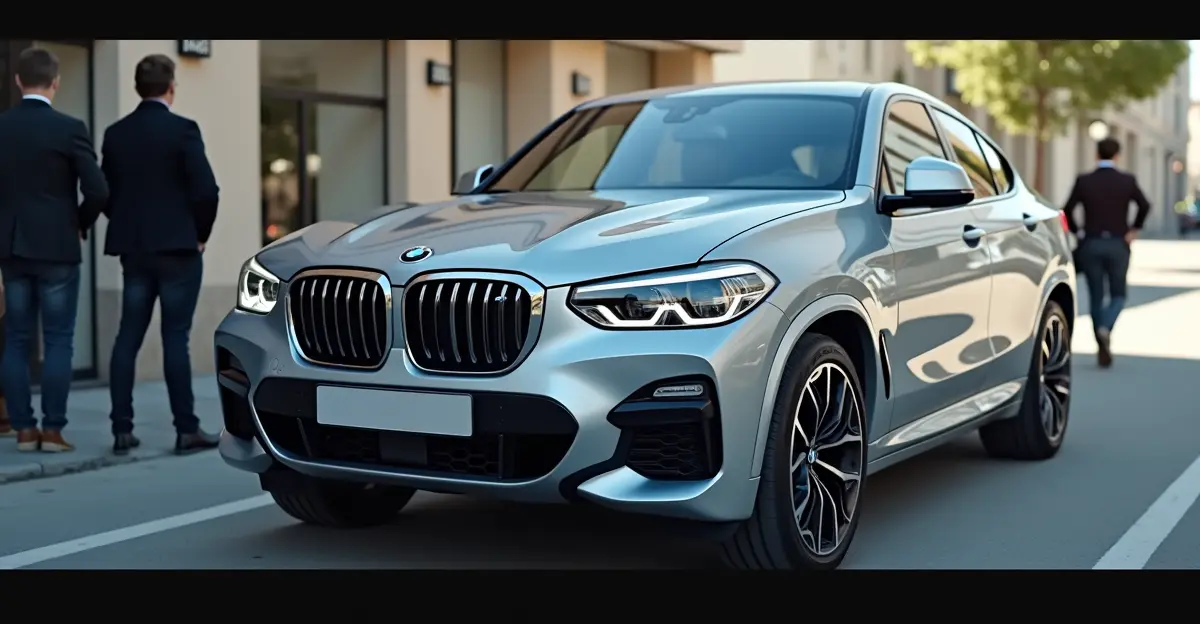
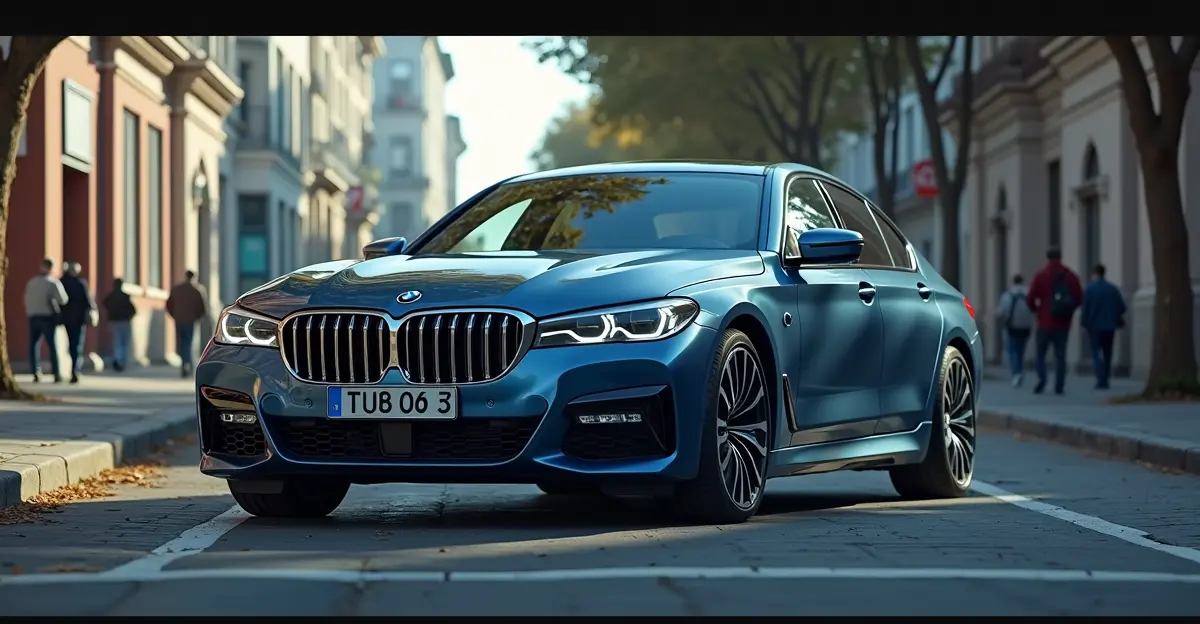
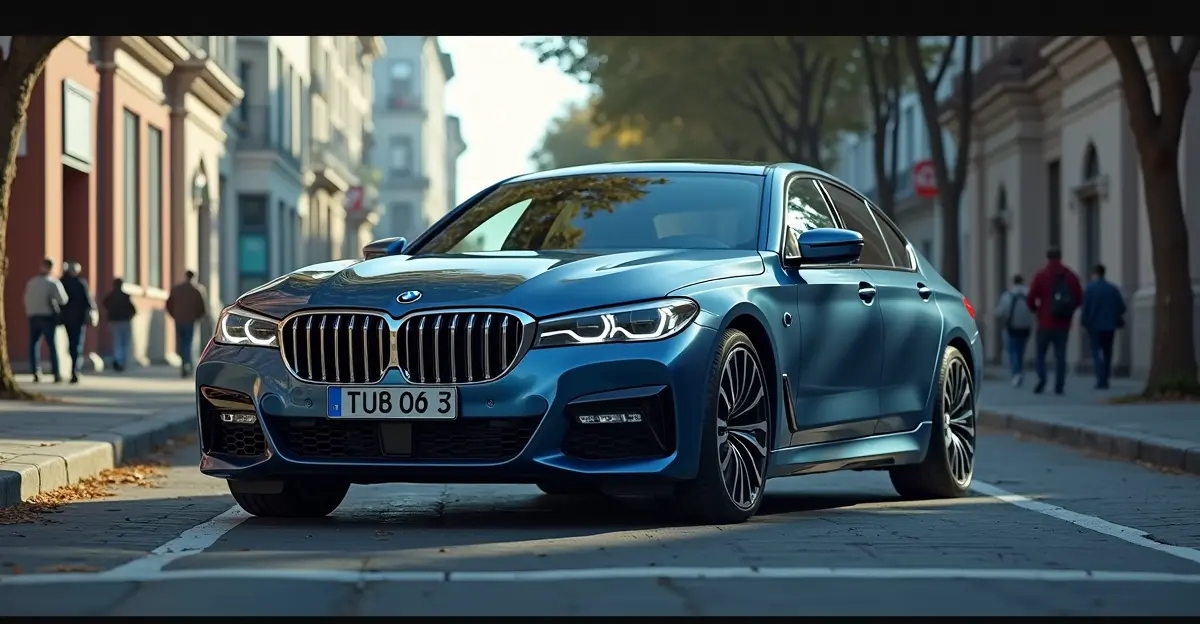
BMW has announced one of the most significant recalls of the year, affecting over 70,000 electric vehicles in the United States alone. The recall targets 2022-2024 BMW i4, 2025 BMW i4 eDrive35 and eDrive40, 2022-2024 BMW iX, 2023-2024 BMW i7, and 2024 BMW i5 models. The issue stems from a software error in the electric drive motor that could cause the high-voltage system to unexpectedly shut down while the vehicle is in motion, leading to sudden loss of drive power and increased crash risk.
'This is exactly why OTA updates are so crucial for modern vehicles,' says automotive software expert Dr. Sarah Chen. 'What would have required months of dealership visits and logistical nightmares can now be resolved with a digital patch delivered directly to the vehicle.'
BMW will provide a free over-the-air software update to fix the issue, with dealership service also available at no cost. Owners should receive notification letters by August 5, 2025, and can check recall status by contacting BMW customer service or visiting the NHTSA website. The recall number is 25V395.
Chevrolet Equinox EV Brake Software Issue
General Motors has also issued a recall for approximately 2,890 units of the 2025 Chevrolet Equinox EV all-wheel-drive electric vehicles. The recall (NHTSA Campaign Number 25V-012) addresses a malfunction in the adaptive cruise control system where the brake module software may fail to engage the brakes as intended, increasing crash risk.
GM will provide a free software calibration update for the brake system control module. Notification letters will be sent to owners starting March 3, 2025. Owners can contact Chevrolet customer service at 1-800-222-1020 (recall number N242481530) or the NHTSA Vehicle Safety Hotline at 1-888-327-4236 for more information.
OTA Updates: The New Recall Solution
Over-the-air software updates have fundamentally changed how automakers address safety issues. According to industry data, traditional recall completion rates range from 60-75% for most components, but OTA updates offer the potential for much higher compliance rates. As up to 95% of cars are expected to have internet connectivity by 2030, OTA updates can deliver safety improvements to computer-controlled systems like braking, driver assistance, and drivetrain management without requiring dealership visits.
'We're seeing a paradigm shift in vehicle safety,' explains NHTSA spokesperson Michael Rodriguez. 'Software recalls that once took months to address can now be resolved in days through digital distribution. However, this requires robust cybersecurity measures and clear communication with vehicle owners.'
This approach has already been implemented across over 300 models from 23 brands as of 2023, with Tesla leading the way in rapid, frequent updates focused on Full Self-Driving refinement and safety improvements.
Consumer Guidance: What EV Owners Need to Know
For consumers affected by these recalls, here's the essential guidance:
1. Check Your VIN: Always verify your vehicle identification number on the NHTSA recall website to confirm if your vehicle is affected.
2. Understand Your Options: Most software recalls now offer both OTA updates and dealership service. OTA updates are typically automatic but may require you to accept the update through your vehicle's interface.
3. Dealer Support: If you prefer in-person service or have connectivity issues, schedule an appointment with your authorized dealership. All recall-related repairs should be free of charge.
4. Stay Connected: Ensure your vehicle's connectivity features are active and updated. Many OTA updates require a stable internet connection and sufficient battery charge.
5. Monitor Communications: Manufacturers are required to send recall notices by mail, but also check your email and vehicle app for digital notifications.
The Bigger Picture: Software as Differentiator
In 2025, Over-The-Air (OTA) software updates have become the primary differentiator in the EV market, fundamentally changing vehicle ownership. Unlike traditional cars that depreciate immediately, modern EVs like Rivian and Tesla actually improve over time through software updates that enhance range, performance, and safety features.
The software cadence is now as important as traditional metrics like 0-60 times. OTA capability provides significant financial benefits, with data showing EVs with robust OTA support retain 10-15% more value after 3 years. These updates also revolutionize safety by allowing manufacturers to patch issues instantly without physical recalls.
However, challenges remain including subscription fatigue, non-transferable software licenses, and hardware limitations that software cannot overcome. Cybersecurity concerns also persist, with NHTSA identifying various attack vectors and recommending security measures like OpenVPN implementation, secure in-vehicle networks, and entity authentication to mitigate risks.
'The future of automotive safety is digital, but it requires a partnership between manufacturers, regulators, and consumers,' concludes Dr. Chen. 'As we move toward increasingly software-defined vehicles, transparency about updates and clear guidance for owners will be more important than ever.'
For the latest information on EV recalls and software updates, consumers should regularly check manufacturer websites and the NHTSA portal. The automotive industry's transition to software-centric vehicles continues to accelerate, bringing both unprecedented convenience and new responsibilities for vehicle owners and manufacturers alike.