Nederlands
 English





Federal Government Announces Comprehensive EV Charging Infrastructure Strategy
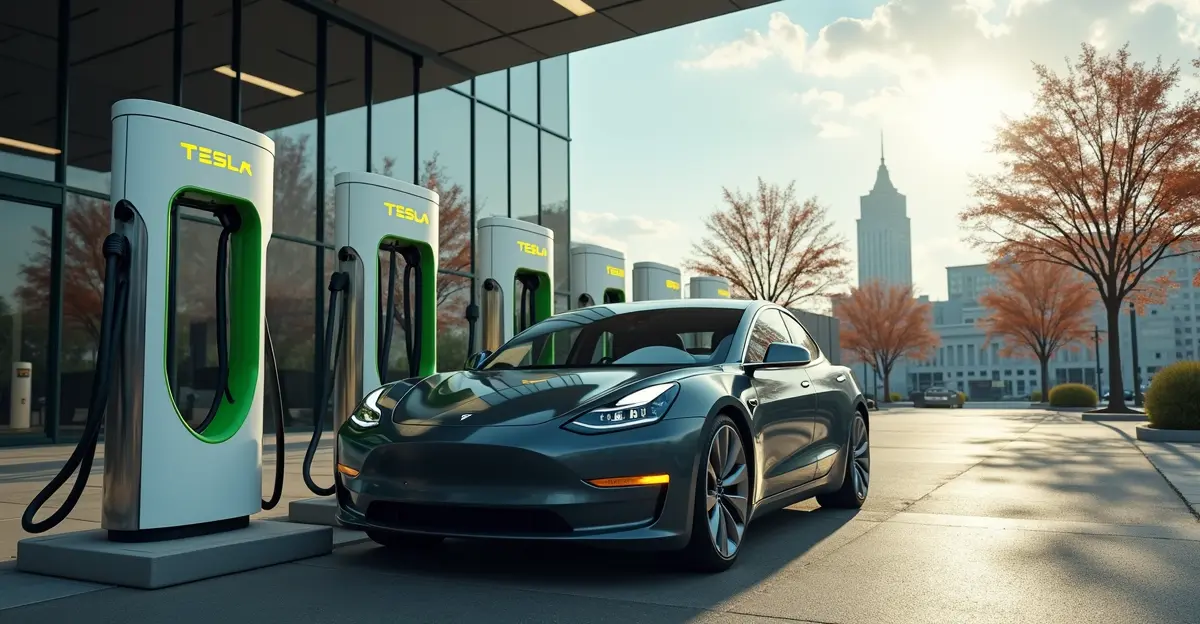
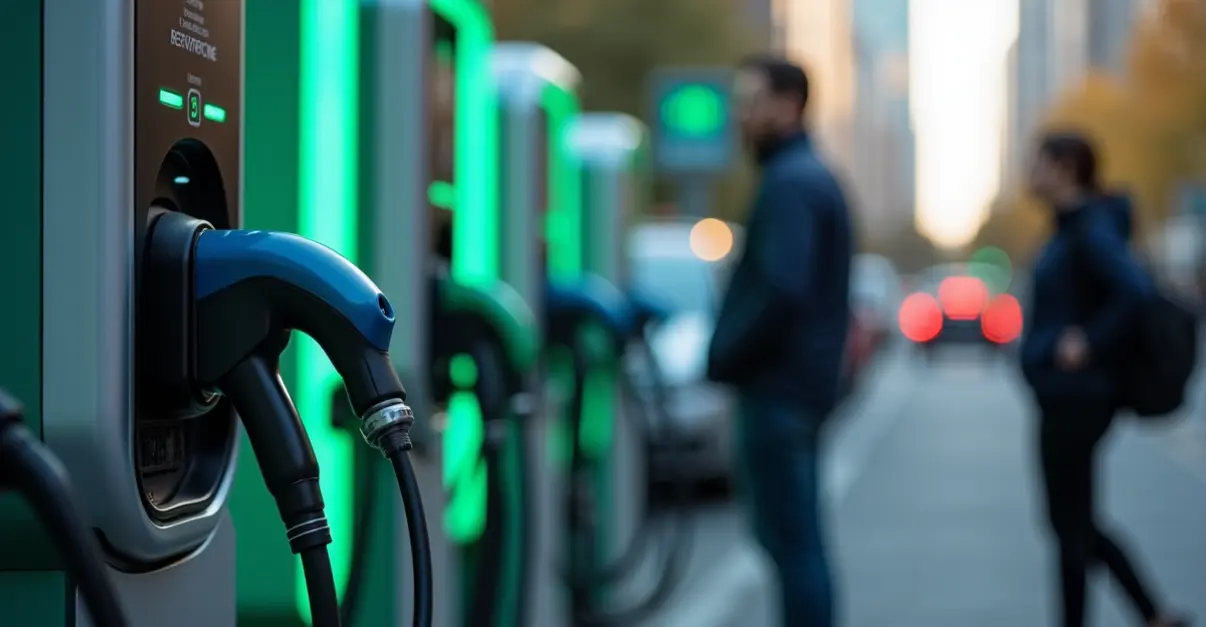
The U.S. Department of Energy and Department of Transportation have jointly unveiled a comprehensive National EV Charging Strategy that outlines an ambitious deployment timeline, establishes charger density targets, and defines clear roles for public and private operators. The strategy, announced today, represents the most significant federal commitment to electric vehicle infrastructure to date and aims to address one of the biggest barriers to widespread EV adoption: charging accessibility.
'This strategy represents a turning point in America's transition to clean transportation,' said Energy Secretary Jennifer Granholm. 'We're not just building charging stations—we're building the backbone of a new transportation system that will power our economy for decades to come.'
Phased Deployment Timeline Through 2030
The strategy outlines a clear, phased approach to charging infrastructure deployment. By the end of 2025, the plan calls for the installation of at least 500,000 public charging ports nationwide, with a particular focus on underserved communities and rural areas. This initial phase will prioritize highway corridors and major transportation routes to create a reliable network for intercity travel.
The second phase, running from 2026 to 2028, aims to double that number to one million public charging ports while significantly increasing charger density in urban areas. The final phase, targeting completion by 2030, establishes a goal of 1.5 million public charging ports with comprehensive coverage across all 50 states.
'The timeline is aggressive but achievable,' noted Transportation Secretary Pete Buttigieg. 'We've learned from early deployment challenges and are applying those lessons to create a more efficient, equitable rollout.'
Charger Density Standards and Equity Considerations
A key innovation in the strategy is the establishment of minimum charger density standards. Urban areas will be required to maintain at least one public charging port per 100 electric vehicles, while rural areas will have a target of one port per 50 EVs to account for longer travel distances and fewer home charging options.
The strategy also introduces equity metrics that require at least 40% of new charging infrastructure investments to benefit disadvantaged communities. This represents a significant shift from previous infrastructure programs and addresses concerns about charging deserts in low-income neighborhoods.
According to the Department of Energy's National EV Charging Network page, this approach builds on existing programs like the National Electric Vehicle Infrastructure (NEVI) Formula Program, which has already distributed billions to states for strategic charging deployment.
Financial Incentives and Operator Roles
The strategy includes substantial financial incentives for both public and private operators. Federal tax credits will cover up to 30% of installation costs for new charging stations, with additional bonuses for stations that incorporate renewable energy sources or battery storage systems. Operators who meet or exceed charger density targets will be eligible for performance-based grants.
Private operators will play a crucial role in the strategy's implementation, with major charging networks like ChargePoint, EVgo, and Electrify America expected to expand their networks significantly. The government will provide technical assistance and streamlined permitting processes to accelerate deployment.
'The incentives are structured to reward innovation and reliability,' explained a senior policy advisor at the Joint Office of Energy and Transportation. 'We want operators who not only build charging stations but maintain them properly and ensure they're accessible to all drivers.'
Industry Response and Implementation Challenges
Industry leaders have largely welcomed the strategy, though some have raised concerns about implementation timelines and grid capacity. The IEA's Global EV Outlook 2025 notes that while the U.S. increased its charging stock by 20% to nearly 200,000 points, federal funding disbursement has faced some uncertainty.
Grid integration remains a significant challenge, particularly in areas with aging electrical infrastructure. The strategy addresses this through partnerships with utility companies and investments in grid modernization, but experts warn that coordination between multiple stakeholders will be critical to success.
Looking ahead to 2026, industry predictions from sources like Driivz's 2026 EV charging industry predictions suggest that AI-driven energy management, ultra-fast charging, and vehicle-to-grid technology will become increasingly important as the network expands.
The National EV Charging Strategy represents a comprehensive approach to one of America's most pressing infrastructure challenges. With clear targets, substantial funding, and defined roles for all stakeholders, it provides a roadmap for building the charging network needed to support the transition to electric vehicles. As implementation begins in the coming months, all eyes will be on how effectively federal, state, and private partners can work together to turn this ambitious vision into reality.