


 Deutsch
 English
 Español
 Français
 Nederlands
 Português


 Share
Share




The Rise of AI Builders
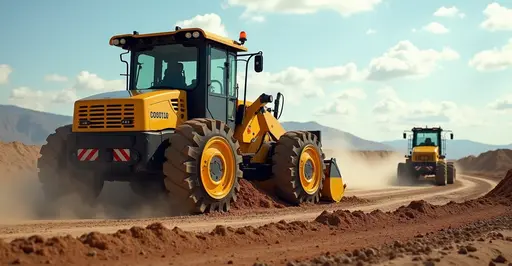
Construction sites are undergoing a radical transformation as robotics and AI systems take over traditionally human roles. By 2025, automated bricklayers, AI-powered cranes, and self-driving concrete mixers are becoming standard on major housing and infrastructure projects. These technologies work 24/7 without breaks, reducing project timelines by up to 40% according to industry reports.
How It Works
Drones conduct initial site surveys while AI algorithms create optimized building plans. Robotic arms then handle precise tasks like welding and assembly, guided by real-time 3D modeling. Boston Dynamics' Spot robots monitor progress and identify safety hazards, communicating with other machines through cloud networks.
Benefits and Challenges
The automation wave brings significant advantages:
- Improved safety with fewer human workers in hazardous zones
- Precision construction reducing material waste
- 24/7 operation unaffected by weather
However, challenges remain. High startup costs put smaller firms at a disadvantage, and unions worry about massive job displacement. Regulatory frameworks also struggle to keep pace with the technology's rapid development.
Real-World Applications
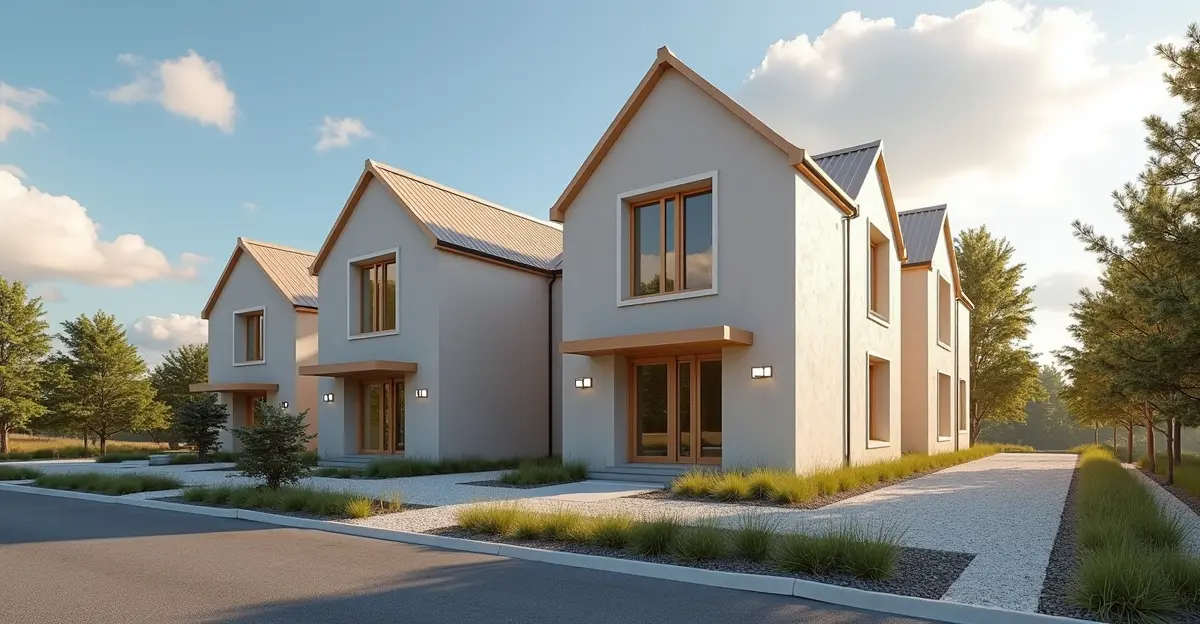
In Japan, the Toyota Woven City project features fully automated construction. Meanwhile, California's affordable housing initiatives use robotic systems to build homes 30% faster. The EU's BIM2TWIN initiative is creating digital twins of construction sites for complete automation.
The Future of Building
Experts predict that by 2030, over 60% of construction tasks will be automated. Emerging technologies include self-repairing concrete and swarm robotics that collaborate like termites. As AI systems become more sophisticated, we might soon see entire neighborhoods built without human hands ever touching the materials.



Follow Discussion