
 Deutsch
 English
 Español
 Français
 Nederlands
 Português







Misinformation Crisis Threatens Global Democracy
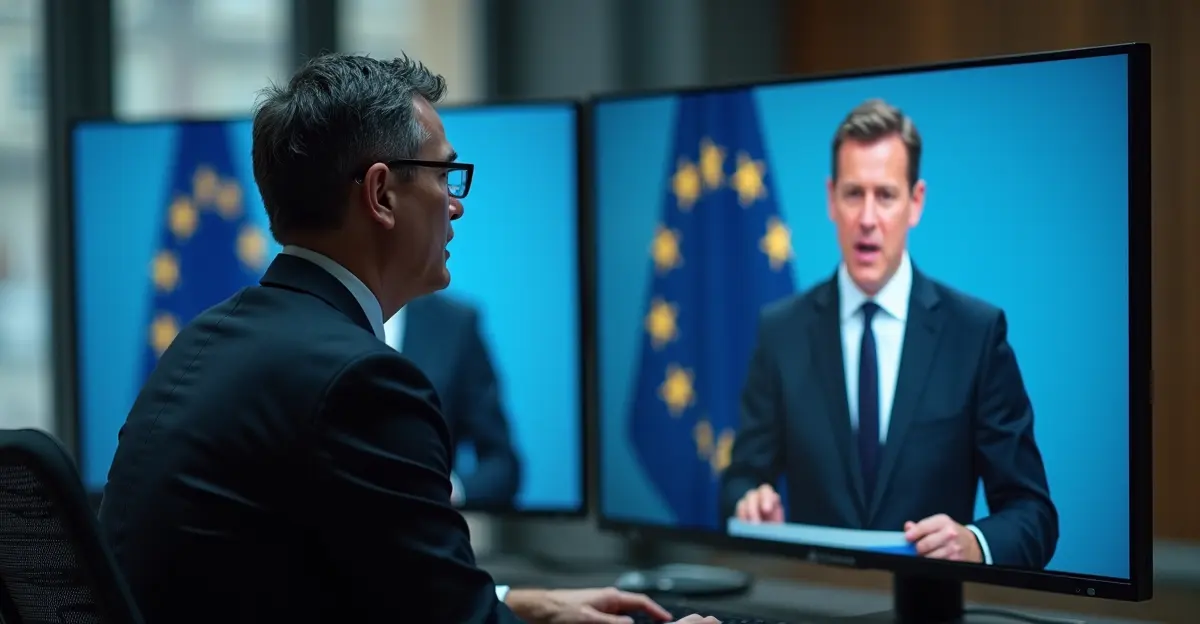
The rise of artificial intelligence (AI) and the spread of misinformation are posing unprecedented challenges to global democracy, particularly during election cycles. The World Economic Forum has identified misinformation and disinformation as among the most severe global risks, capable of widening societal and political divides. This crisis is exacerbated by the rapid advancement of AI technologies, which can generate convincing deepfakes and manipulate public opinion at scale.
The Role of AI in Elections
AI tools, such as deepfake generators and chatbots, are increasingly being used to create and disseminate false information. For instance, during the 2024 EU elections, AI-powered chatbots spread incorrect details about voting procedures, potentially disenfranchising voters. Similarly, Telegram networks in the Balkans exploited AI to create non-consensual intimate imagery, silencing women from participating in public life. These examples highlight the dual threat of AI: intentional misuse and unintentional biases embedded in algorithms.
Media Literacy as a Countermeasure
Media literacy programs are emerging as a critical defense against misinformation. Educating the public on how to identify AI-generated content and verify sources can mitigate the impact of disinformation campaigns. Organizations like the Brennan Center for Justice advocate for stronger regulations and transparency requirements to hold tech companies accountable for their role in safeguarding elections.
Global Efforts and Challenges
In 2024, 27 tech companies signed the AI Elections Accord, pledging to combat deceptive AI content. However, a recent analysis reveals inconsistent follow-through, with many companies failing to provide detailed progress reports. Experts argue that voluntary commitments are insufficient without enforceable regulations and independent oversight.
As AI continues to evolve, the need for robust safeguards and public education becomes ever more urgent. The future of democracy may depend on our ability to navigate this complex landscape.





Follow Discussion