


 Deutsch
 English
 Español
 Français
 Nederlands
 Português


 Share
Share




AI Copyright Lawsuits Set New Legal Precedents in 2025
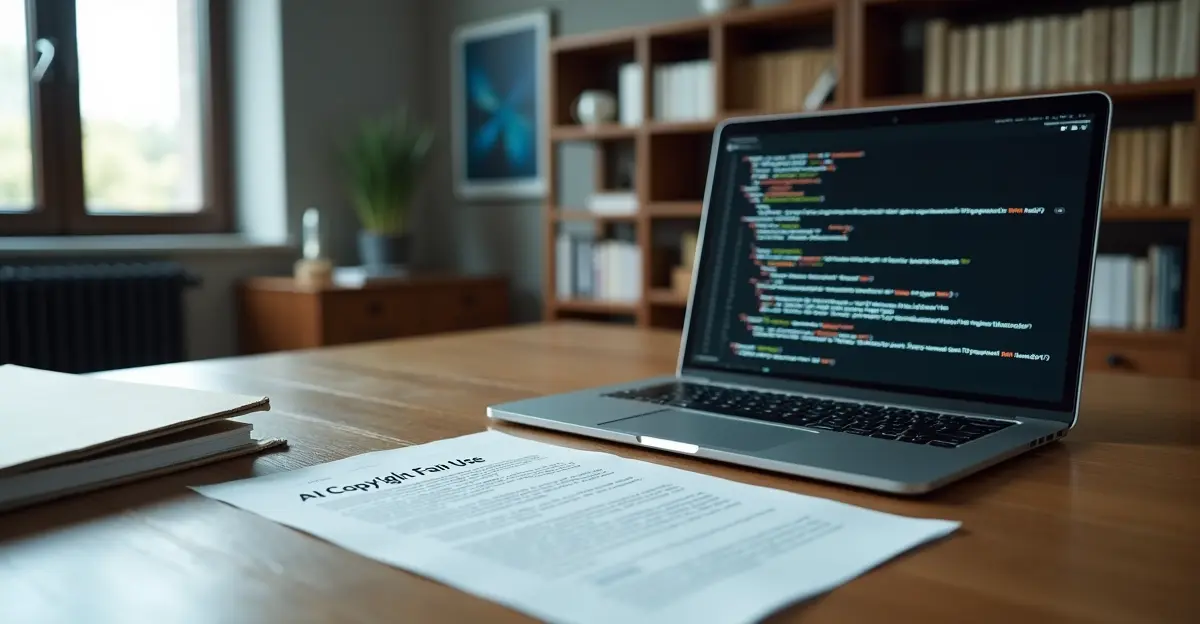
The creative industries are facing unprecedented disruption as artificial intelligence (AI) continues to evolve, raising complex legal questions around copyright and intellectual property. In 2025, a series of high-profile lawsuits have set new legal precedents, challenging the boundaries of fair use and authorship in the age of AI.
The Legal Landscape
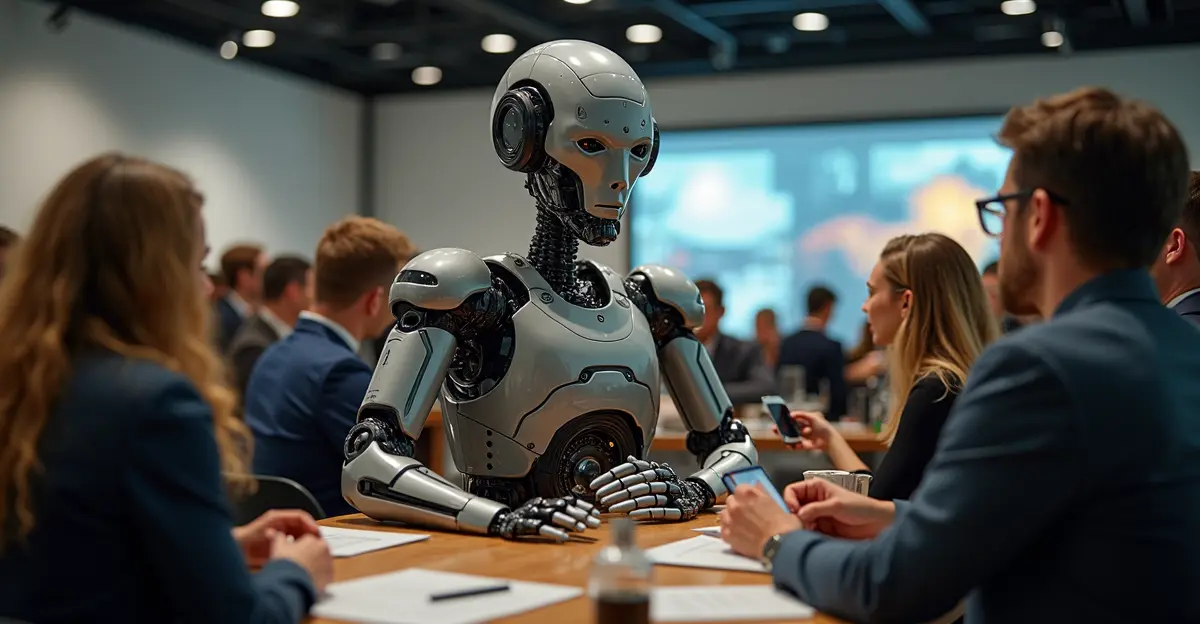
Recent court cases, such as Andersen v. Stability AI and The New York Times v. OpenAI, highlight the tension between AI developers and content creators. Plaintiffs argue that AI models trained on copyrighted materials without permission constitute infringement, while defendants claim fair use protections. These cases could redefine how AI models are developed and deployed globally.
AI-Generated Content and Copyright
The U.S. Copyright Office maintains that only human-authored works qualify for copyright protection, a stance reinforced by recent rulings. However, the line between human and machine creativity remains blurred. For instance, the Copyright Office rejected Jason Matthew Allen’s application for his AI-generated artwork Théâtre D'opéra Spatial, citing insufficient human involvement.
Legislative Responses
In response, lawmakers are proposing new regulations, such as the Generative AI Copyright Disclosure Act of 2024, which mandates transparency in training datasets. The EU’s AI Act also aims to balance innovation with copyright protections, requiring detailed records of AI training data.
Global Perspectives
Jurisdictions worldwide are adopting varied approaches. China’s Beijing Internet Court recently granted copyright to an AI-generated image, provided it reflected human intellectual effort. Meanwhile, the U.S. and EU are grappling with how to enforce existing laws while fostering AI innovation.
Looking Ahead
The outcomes of these lawsuits and legislative efforts will shape the future of AI and copyright law. Key questions include whether courts will establish new fair use standards for AI training and how human-AI collaborations will be treated under copyright law.
Follow Discussion