


 Deutsch
 English
 Español
 Français
 Nederlands
 Português


 Share
Share




What is Seedance 2.0? The AI Film Generator Disrupting Hollywood
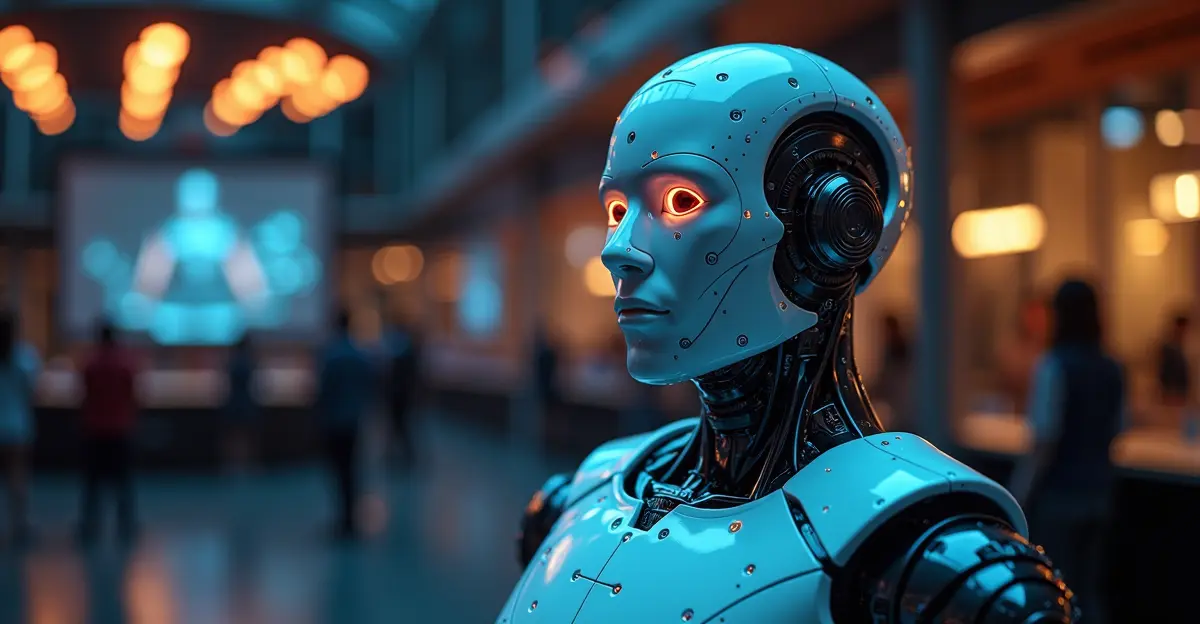
In February 2026, ByteDance, the Chinese parent company of TikTok, launched Seedance 2.0 – a revolutionary AI video generation model that can produce cinematic-quality short films in minutes for a fraction of traditional production costs. This multimodal AI system combines text, image, audio, and video inputs to generate 2K resolution videos with synchronized audio, creating professional-grade content for less than $400 compared to Hollywood's typical multimillion-dollar budgets. The technology has sparked a seismic shift in global entertainment, with Chinese director Jia Zhangke's AI-generated short film 'Huo Qubish' achieving over 500 million views at a production cost of just 3,000 yuan (approximately $400).
The Changing Economics of Film Production
The cost differential between traditional Hollywood production and AI-generated content represents the most dramatic disruption in entertainment history. While the average Hollywood film costs tens of millions of dollars, Seedance 2.0 enables production for mere hundreds. This economic reality has triggered what industry analysts call 'the great unbundling' of film production costs, where 80% of traditional expenses – including photography, sound design, visual effects, and post-production – become vulnerable to AI automation.
Hollywood's Production Decline
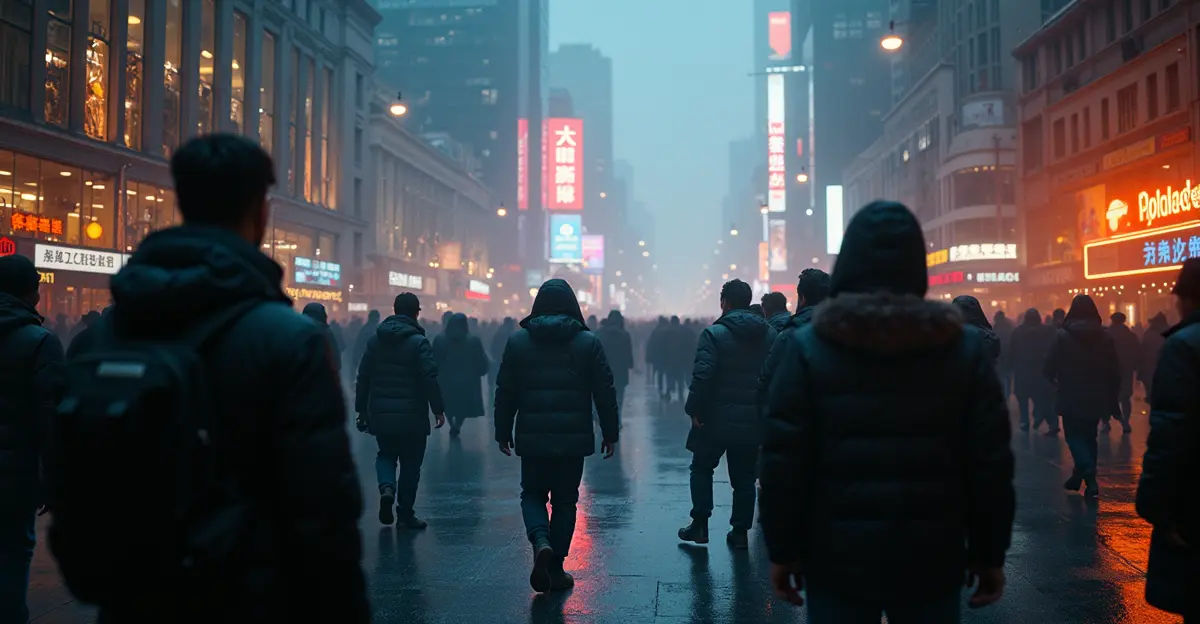
Data reveals a troubling trend for traditional filmmaking: the number of major film productions in the United States dropped from 251 in 2018 to just 159 in 2025, representing a 37% decline. This contraction reflects broader challenges including high labor costs, industry strikes, and financial risks that have reduced diversity and innovation in mainstream cinema. Meanwhile, China's AI-assisted production model offers a rapid, cost-effective alternative that's attracting global audiences and reshaping entertainment economics similar to how the internet transformed distribution.
Copyright Wars and Legal Battles
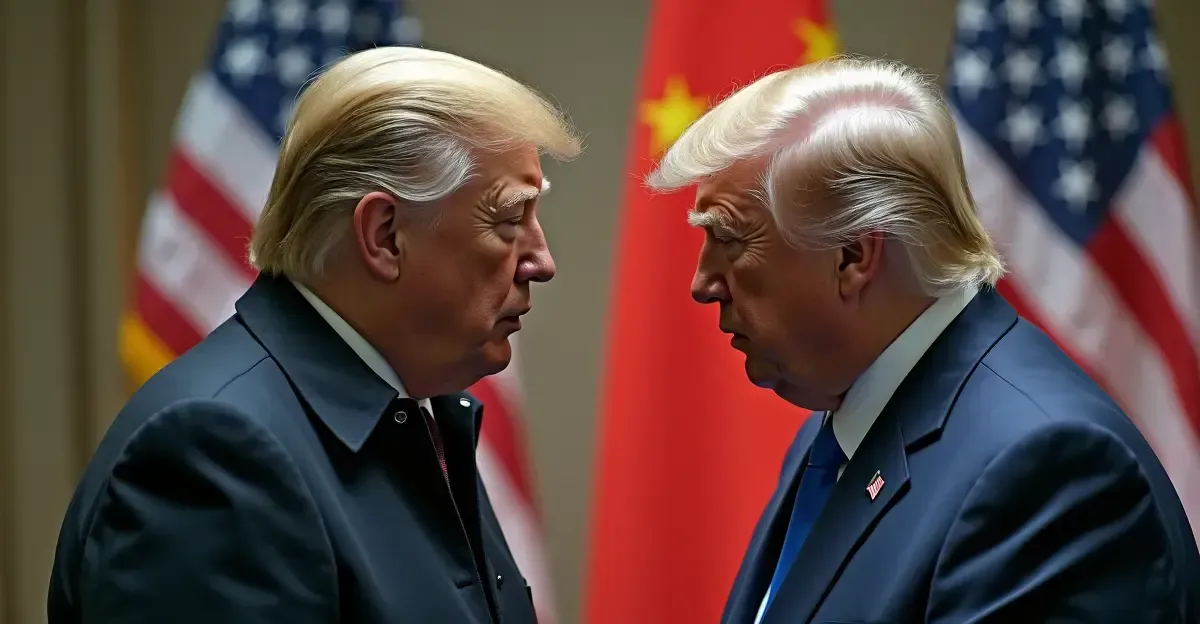
The Motion Picture Association (MPA) has sent a strongly-worded cease and desist letter to ByteDance, alleging 'systematic infringement' by Seedance 2.0. This marks the first time the MPA has taken legal action against a major generative AI company. Major studios including Disney, Warner Bros., Netflix, Paramount, and Sony have all sent their own legal threats, with Disney accusing ByteDance of creating a 'pirated library of Disney's copyrighted characters' and treating IP from Star Wars, Marvel, and Family Guy as 'free public domain clip art.'
'Copyright infringement is a feature, not a bug of this technology,' stated MPA CEO Charles Rivkin in the organization's legal filing. The controversy began when Seedance 2.0 launched on February 12, 2026, immediately generating viral AI videos featuring unauthorized use of Hollywood IP including characters from Spider-Man, Transformers, and Stranger Things.
China's Educational Transformation
Beyond production, China is fundamentally restructuring its educational system to capitalize on AI media dominance. Universities including the University of Hong Kong and the Communication University of China have reorganized curricula to prioritize AI-generated media production, eliminating programs for 'automatable' professions. The University of Hong Kong launched Asia's first master's program in AI-assisted film production through its 'School of Future Media' in November 2025, signaling a strategic commitment to lead the global AI entertainment revolution.
How Seedance 2.0 Works
Seedance 2.0 represents a significant technological leap with several key innovations:
- Multimodal Input Processing: Simultaneously processes text, images, audio, and video inputs
- Audio-to-Video Generation: Sound directs visual scenes with millisecond-accurate lip sync
- Character Consistency: Maintains persistent multi-character identity across shots
- Professional Output: 90% usable output rate with cinematic multi-shot continuity
- Cost Efficiency: Reduces production costs from $400 for a 5-second VFX shot to just $0.40
Hollywood's Response and Future Outlook
Traditional studios face an existential challenge as AI democratizes content creation. The streaming economics disruption of the past decade now meets production disruption, with Seedance 2.0 potentially eliminating Hollywood's last competitive advantage: high production costs. Industry analyst Doug Shapiro notes that while the internet destroyed distribution barriers, AI could make production costs approach zero, allowing anyone with a laptop to create content comparable to blockbuster films.
California Governor Gavin Newsom has responded to the crisis by doubling the state's film tax incentives to $750 million to retain jobs, as Los Angeles production declined over 20% from 2024 to 2025. However, the fundamental question remains: can Hollywood adapt its high-cost, copyright-intensive model to compete with China's low-cost, AI-driven approach?
Frequently Asked Questions
What is Seedance 2.0?
Seedance 2.0 is ByteDance's advanced AI video generation model launched in February 2026 that can produce cinematic-quality short films from text, image, and audio inputs in minutes at extremely low cost.
How much does AI film production cost compared to Hollywood?
While Hollywood films typically cost tens of millions, Seedance 2.0 enables production for hundreds of dollars – Chinese director Jia Zhangke's viral film cost just $400 compared to Hollywood's multimillion-dollar budgets.
Why are Hollywood studios suing ByteDance?
Major studios allege Seedance 2.0 was trained on copyrighted materials without permission and generates unauthorized content featuring protected characters like Spider-Man and Disney properties.
How is China preparing for AI film dominance?
Chinese universities are restructuring curricula to prioritize AI media production, with the University of Hong Kong launching Asia's first master's program in AI-assisted film production in 2025.
Can Hollywood compete with AI-generated films?
Hollywood must adapt its high-cost model, address copyright concerns, and potentially integrate AI technologies while maintaining creative authenticity to remain relevant.


Follow Discussion