


 Deutsch
 English
 Español
 Français
 Nederlands
 Português


 Share
Share




What is the OpenAI Pentagon Deal Controversy?
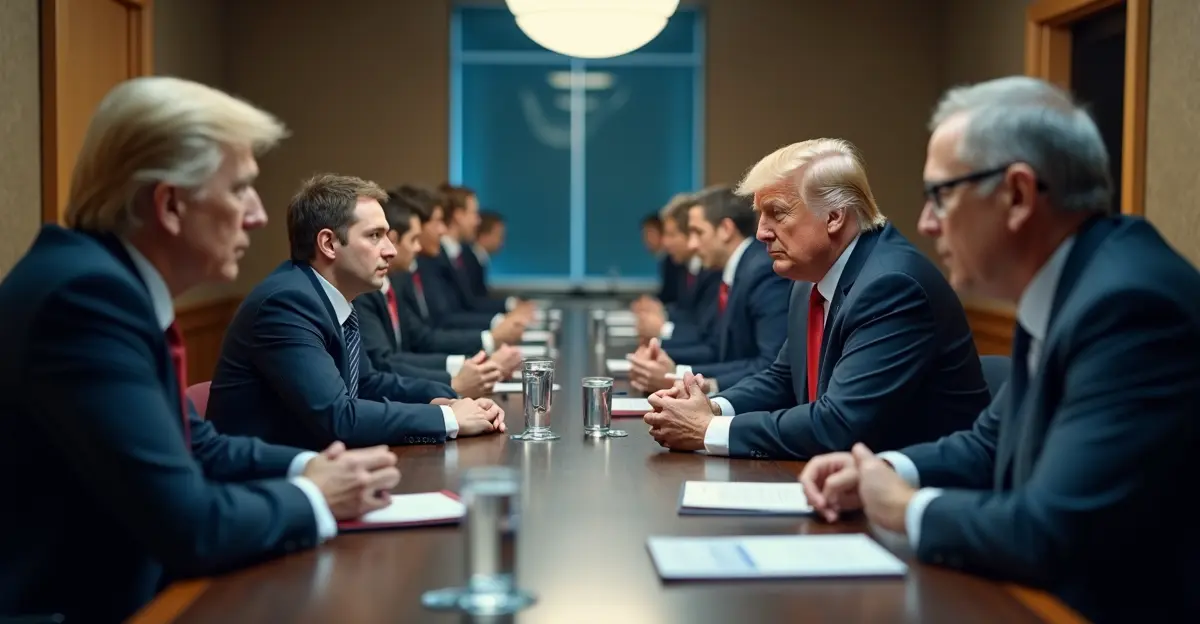
OpenAI CEO Sam Altman has admitted the company's recent contract with the U.S. Department of Defense appears 'sloppy and opportunistic' after facing significant backlash from employees and the public. The controversy erupted in March 2026 when OpenAI announced it would replace rival Anthropic as the Pentagon's AI provider, just hours after President Trump banned federal agencies from using Anthropic's technology. The ethical AI development debate has reached a critical juncture as major tech companies navigate military partnerships.
Background: The Anthropic Standoff
The current controversy traces back to Anthropic's principled stand against Pentagon demands. Anthropic, founded with explicit ethical guidelines, refused to allow its AI agent Claude to be used for autonomous weapons systems or mass surveillance of American citizens. This stance led to the company being designated a 'supply-chain risk' by the Trump administration, with President Trump ordering federal agencies to cease using Anthropic technology.
Tech journalist Joe van Burik noted the stark contrast in approaches: 'Vorige week zei Altman nog tegen het Pentagon: Laat Anthropic jullie niet alles doen vanwege hun moreel kompas? bij ons is dat geen probleem hoor.' This opportunistic positioning by OpenAI created immediate tension within the company and the broader AI community.
The Rushed Pentagon Agreement
Timeline of Events
The sequence of events unfolded rapidly in early March 2026:
- March 1: Anthropic rejects Pentagon contract update due to ethical concerns about autonomous weapons and surveillance
- March 2: President Trump bans federal agencies from using Anthropic's AI tools
- March 3: OpenAI announces Pentagon deal to deploy models in classified networks
- March 4: Sam Altman admits the deal was rushed and calls it 'opportunistic and sloppy'
- March 5: OpenAI begins amending contract to include explicit surveillance prohibitions
Key Contract Issues
The original OpenAI-Pentagon agreement contained several problematic elements that drew criticism:
- 'All lawful use' clause: This broad language left room for concerning military applications
- Lack of surveillance restrictions: No explicit prohibitions against domestic surveillance of U.S. persons
- Intelligence agency access: Potential use by intelligence agencies without clear limitations
- Communication failures: Employees learned about the deal through public announcements
Employee Backlash and Public Reaction
OpenAI employees expressed significant frustration over the rushed Pentagon deal, with many respecting Anthropic's ethical stance. Internal communications revealed widespread concern about whether the military partnership aligned with the company's stated values. 'We shouldn't have rushed this announcement,' Altman acknowledged in a staff meeting, addressing the communication failures that left employees feeling blindsided.
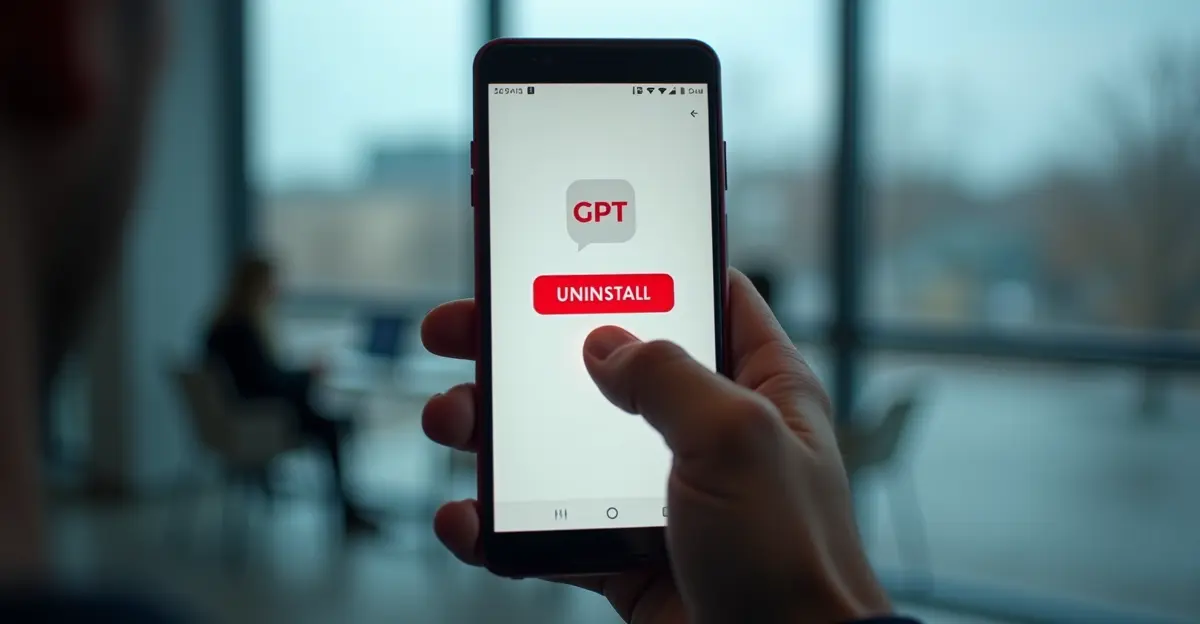
The public reaction was equally swift. ChatGPT users began defecting to Anthropic's Claude app, which surged to No. 1 on the App Store as consumers voted with their downloads. The AI safety regulations debate gained new urgency as ethical considerations clashed with competitive pressures in the rapidly evolving artificial intelligence landscape.
Contract Amendments and Future Implications
Following the backlash, OpenAI is amending its Pentagon contract to include explicit prohibitions against using its AI for domestic surveillance of U.S. persons and intelligence agency use. Altman expressed hope that Anthropic would receive similar terms from the Pentagon, suggesting a potential path toward industry-wide ethical standards for military AI applications.
The controversy highlights fundamental questions about corporate responsibility in technology and the role of AI companies in national security. As Altman defended working with the government for AI competition with China, critics questioned whether ethical compromises were necessary for technological advancement.
FAQ: OpenAI Pentagon Deal Questions Answered
Why did Anthropic reject the Pentagon contract?
Anthropic refused Pentagon demands due to ethical concerns about using its AI for autonomous weapons systems and mass surveillance of American citizens, consistent with the company's founding principles.
What changes is OpenAI making to the Pentagon contract?
OpenAI is adding explicit prohibitions against domestic surveillance of U.S. persons and intelligence agency use, addressing the most criticized aspects of the original agreement.
How have OpenAI employees reacted to the deal?
Many employees expressed frustration and concern, with some publicly questioning whether the military partnership aligns with the company's values and calling for independent legal analysis of the contract terms.
What impact has this had on the AI market?
Anthropic's Claude app surged to No. 1 on the App Store as users defected from ChatGPT, demonstrating consumer preference for ethically-aligned AI companies.
Will this affect future AI regulation?
The controversy has intensified debates about AI ethics and military use, potentially accelerating regulatory discussions about appropriate guardrails for artificial intelligence in national security applications.
Follow Discussion