


 Deutsch
 English
 Español
 Français
 Nederlands
 Português


 Share
Share




What is the US-China AI Race?
The global artificial intelligence competition between the United States and China has reached a critical juncture in 2026, with OpenAI CEO Sam Altman recently warning that Chinese technology companies are developing at an 'amazingly fast' pace. In a candid interview with CNBC, Altman acknowledged that Chinese competitors are making remarkable progress across multiple technological domains, particularly in artificial intelligence development. This assessment comes as China aims to become the world's leading AI power by 2030, with projected spending of nearly $100 billion in 2025 alone.
Sam Altman's Warning About Chinese Tech Development
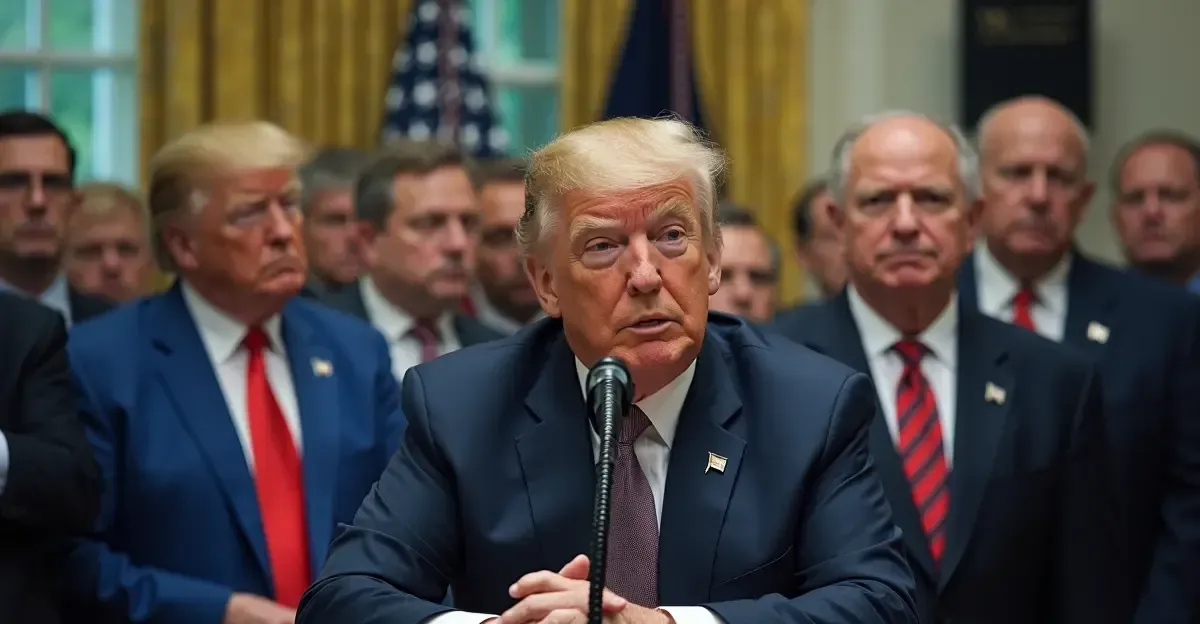
OpenAI CEO Sam Altman's comments to CNBC represent a significant acknowledgment from one of America's leading AI executives about China's technological ascent. 'The development that Chinese technology companies are going through is remarkable,' Altman stated. 'The pace of technological progress on many areas, including AI, is amazingly fast.' According to Altman, some Chinese companies are even leading in certain aspects of the global technology race, challenging the conventional wisdom that American firms dominate all aspects of AI development.
This warning comes at a time when Chinese startups like DeepSeek have developed large language models that rival Western counterparts like ChatGPT at a fraction of the cost. The global semiconductor competition has intensified as China faces US export restrictions on advanced chips, forcing Chinese companies to innovate with older hardware and build domestic alternatives. Altman's assessment suggests that despite these challenges, Chinese firms are making significant technological breakthroughs.
Key Areas Where China Is Advancing Rapidly
Chinese technological advancement spans multiple critical areas:
- Artificial Intelligence Models: China now boasts 14 of the top 20 AI models globally, with many being open-source unlike their US counterparts
- Semiconductor Development: Numerous chip companies are emerging to compete with Nvidia, particularly since advanced Western chips cannot be traded with China
- AI Infrastructure: Chinese firms are exporting AI infrastructure to developing countries and promoting their own AI governance frameworks internationally
- Cost Efficiency: Chinese AI models achieve comparable performance to Western models at significantly lower costs
The DeepSeek Phenomenon and Chinese AI Innovation
The sudden launch of DeepSeek in 2025 shocked the global AI community, demonstrating China's ability to develop competitive AI models rapidly. DeepSeek's mobile app matches leading US models like ChatGPT on key benchmarks while operating with less sophisticated hardware. This breakthrough has democratized AI access globally and highlighted China's strengths in talent, data, and energy resources.
Beyond DeepSeek, China's AI ecosystem includes several promising startups carving out unique niches. Stepfun, founded by former Microsoft executive Jiang Daxin, focuses on foundational models and artificial general intelligence (AGI). ModelBest specializes in efficient small language models for on-device processing, offering cost-effective and privacy-focused solutions. Zhipu AI, originating from Tsinghua University, develops advanced models including ChatGLM and video generator Ying, though it faces US export restrictions.
Comparison: US vs China AI Development Strategies
| Aspect | United States | China |
|---|---|---|
| Primary Focus | Artificial General Intelligence (AGI) | AI diffusion into daily applications |
| Model Approach | Predominantly closed-source | Mostly open-source |
| Hardware Advantage | Superior AI chips (Nvidia) | Innovating with restricted hardware |
| Global Strategy | Exporting full AI stack | Promoting multilateral governance |
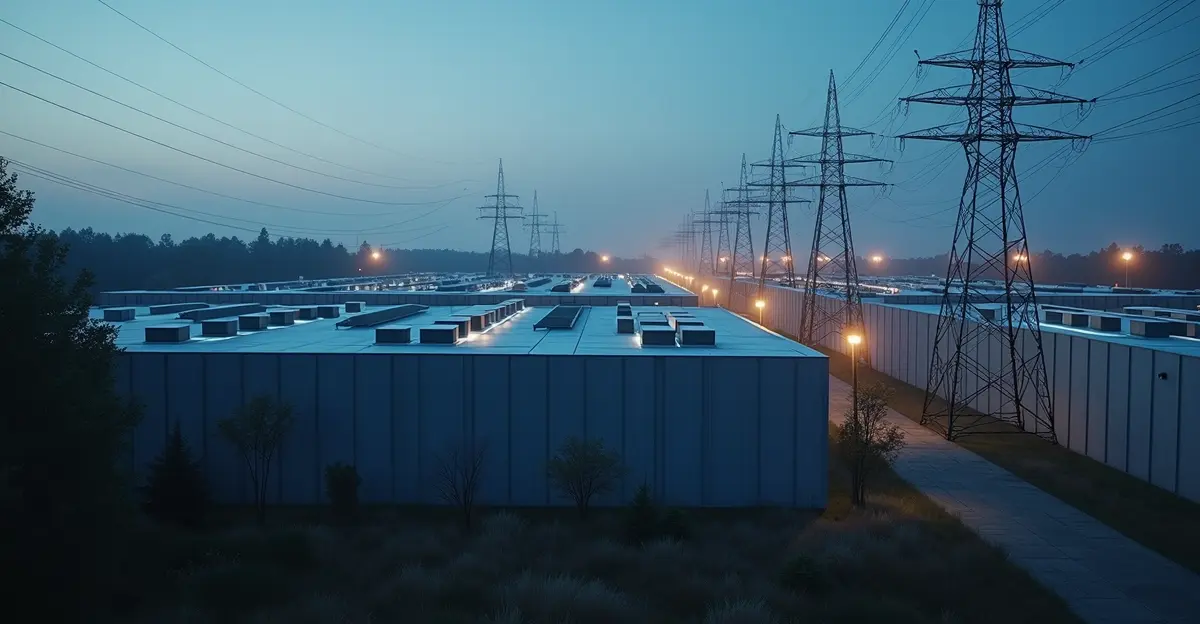
| Energy Infrastructure | Facing bottlenecks | Generating significant spare capacity |
Geopolitical Implications of the Technology Race
The technological competition between the US and China extends far beyond corporate rivalry to encompass significant geopolitical implications. The US semiconductor export controls represent a major policy shift aimed at restricting China's access to cutting-edge semiconductor technology and manufacturing equipment. These controls target semiconductor manufacturing equipment, advanced computing chips, and related technologies that could enhance China's military modernization efforts.
Despite these restrictions, China continues to advance through alternative approaches. Chinese companies are developing workarounds using older hardware and building domestic semiconductor alternatives. The global supply chain dynamics have become increasingly complex, with Taiwan, Netherlands, Germany, Japan, Gulf states, and India playing key roles in the semiconductor ecosystem.
FAQ: Understanding the US-China AI Competition
Why is Sam Altman warning about Chinese tech development?
Sam Altman's warning reflects growing recognition within the US tech community that Chinese companies are making rapid progress in AI and related technologies, potentially challenging American technological leadership.
What advantages do Chinese AI companies have?
Chinese companies benefit from massive government investment (nearly $100 billion in 2025), abundant engineering talent, extensive data resources, and significant energy capacity for data centers.
How are US export restrictions affecting China's AI development?
While export restrictions limit China's access to cutting-edge chips, they have forced Chinese companies to innovate with older hardware and accelerate development of domestic semiconductor alternatives.
What is DeepSeek and why is it significant?
DeepSeek is a Chinese AI startup that developed a competitive large language model at a fraction of the cost of Western counterparts, demonstrating China's ability to innovate despite technological constraints.
What are the broader implications of this technology race?
The competition extends beyond technology to economic strategy, national security, and global influence, with both nations seeking to shape international AI standards and governance frameworks.



Follow Discussion