


 Deutsch
 English
 Español
 Français
 Nederlands
 Português


 Share
Share




Revolutionizing Maritime Logistics: Autonomous Port Equipment Delivers Major Efficiency Gains
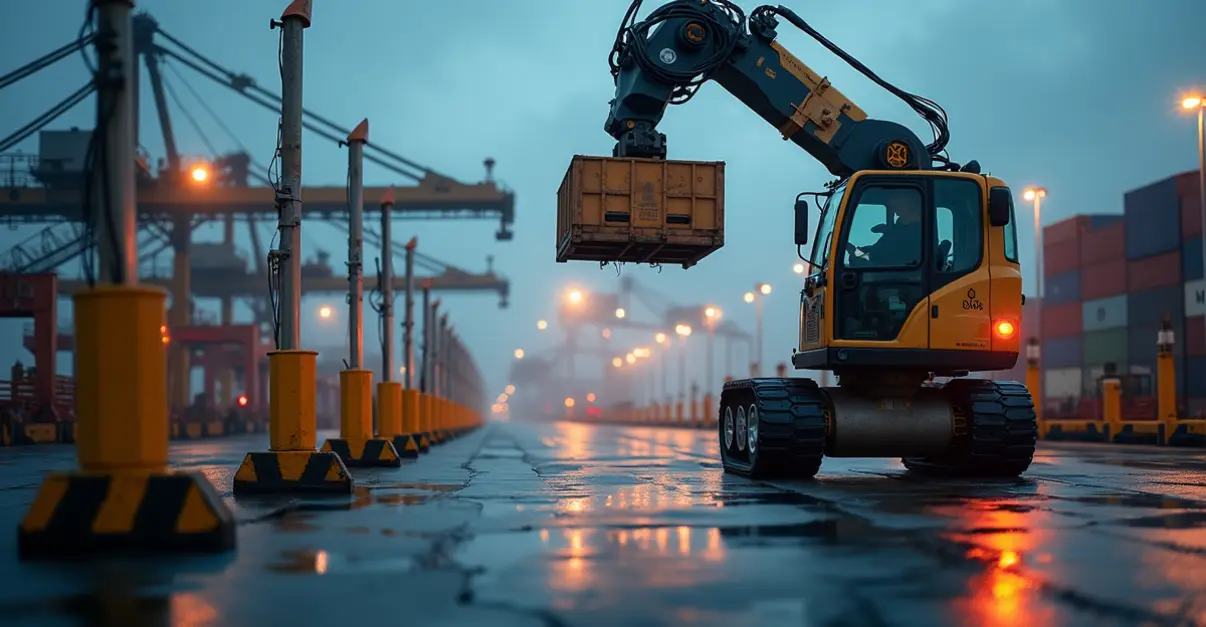
In a landmark development for global trade infrastructure, recent trials of autonomous port equipment have demonstrated remarkable reductions in vessel turnaround times, with some operations achieving up to 40% faster processing. This technological breakthrough comes as ports worldwide face increasing pressure to handle growing trade volumes while maintaining operational efficiency and addressing labor concerns.
The Trial Results: Quantifiable Efficiency Improvements
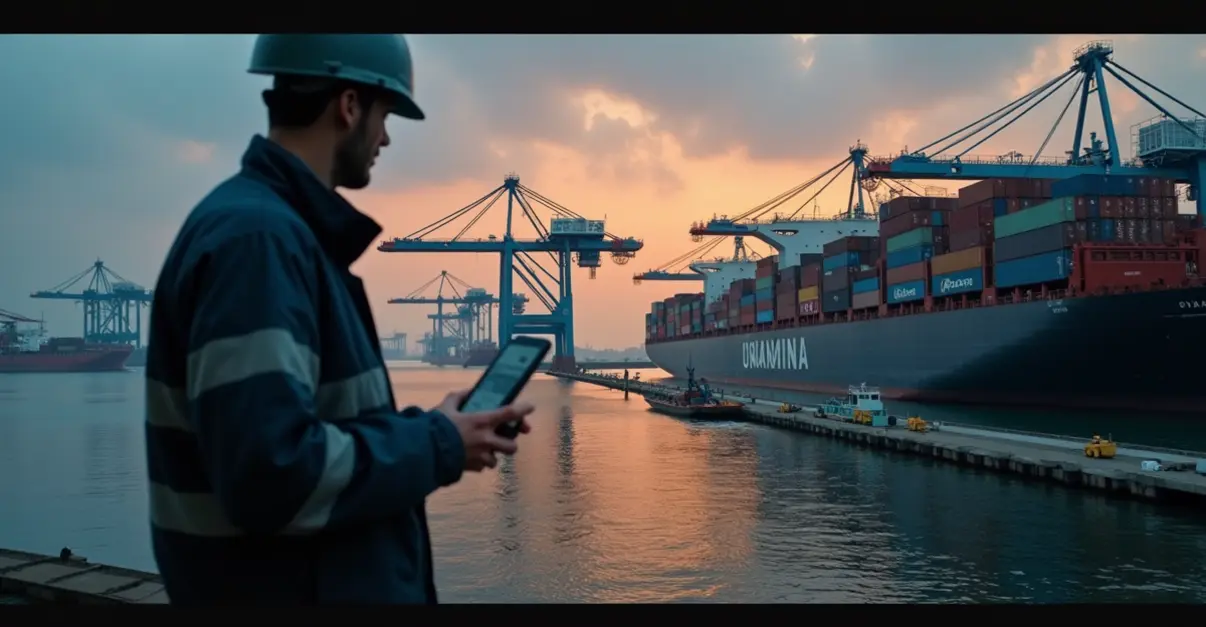
According to recent industry reports, autonomous port operations systems are transforming maritime logistics. The global market for these systems reached $28.63 billion in 2025 and is projected to grow to $33.36 billion in 2026, reflecting a 16.5% compound annual growth rate. 'We've seen vessel service sourcing time reduced from 3 hours to just 45 seconds in some implementations,' noted a port automation expert from the Middle East AI News report. This represents a staggering 90% reduction in administrative processing time alone.
The operational benefits extend beyond just time savings. Ports implementing AI-driven smart solutions have reported 20% increases in jetty utilization and 10% improvements in vessel management efficiency. As one industry analyst explained, 'When you combine autonomous cranes with AI-powered scheduling and automated guided vehicles, you're looking at a complete reimagining of port operations that delivers tangible results.'
Labor Transition: The Human Element of Automation
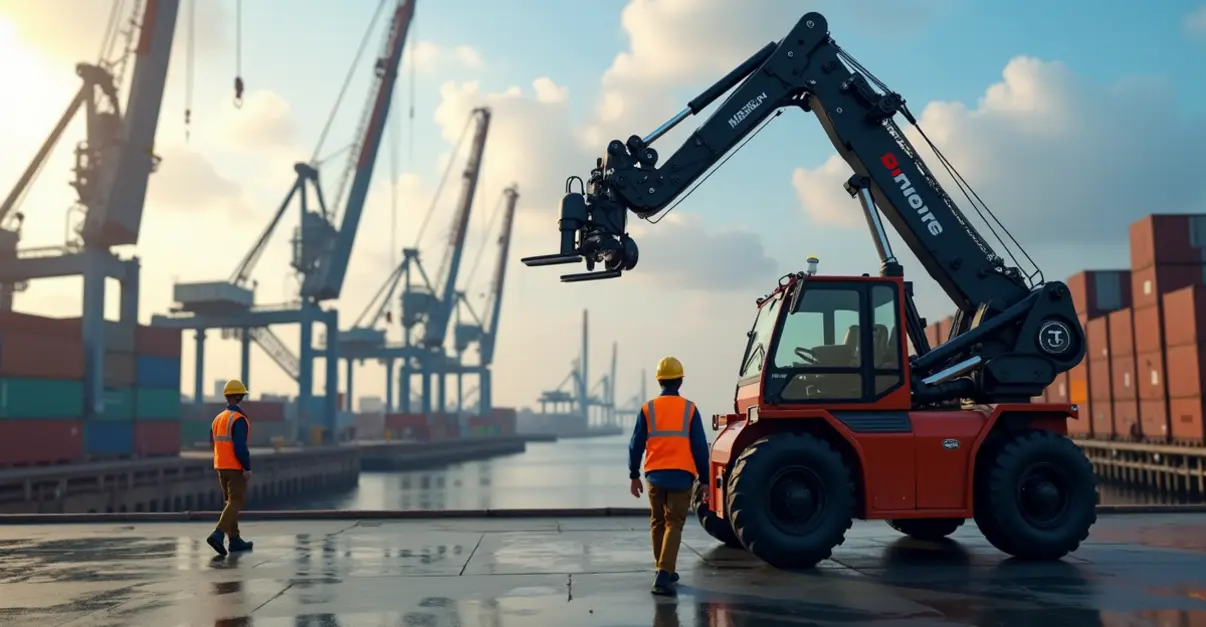
Perhaps the most critical aspect of this technological shift is how ports are managing the labor transition. The recent historic agreement between the International Longshoremen's Association (ILA) and United States Maritime Alliance (USMX) provides a blueprint for balancing automation with job security. Covering approximately 45,000 dockworkers across 14 East and Gulf Coast ports, the six-year agreement includes a crucial 'one-for-one' provision: for every semi-automated crane implemented, employers must create one additional job.
'This isn't about replacing workers—it's about transforming their roles,' emphasized a labor relations specialist familiar with the agreement. 'We're seeing dockworkers transition from manual labor to technology supervision, maintenance, and system optimization roles that require new skills and offer better working conditions.'
The agreement includes record-breaking economic benefits with a 62% wage increase over six years, restored container royalty payments, and enhanced healthcare benefits. This approach demonstrates how technological advancement can coexist with workforce protection when properly managed.
Scaling Lessons: From Pilot Projects to Global Implementation
Ports that have successfully scaled autonomous operations offer valuable lessons for others considering similar transitions. The key appears to be a phased approach that starts with pilot projects before expanding across entire operations. As reported by Loadmaster AI, 'Ports face challenges with legacy systems and manual workflows, but phased modernization strategies combining hardware upgrades with AI integration can reduce operational disruption by around 15%.'
Major ports like Rotterdam aim for 80% autonomous operations by 2030, while Shanghai already handles over 43 million TEUs (twenty-foot equivalent units) using autonomous systems. The implementation follows a modular approach starting with pilots, expanding AI models across operations, and integrating with commercial systems like ERP and TMS to ensure long-term resilience and cost savings.
Economic and Environmental Impacts
The financial implications of port automation are substantial. Autonomous ports can reduce operational costs by up to 30% and increase throughput by nearly 20%. By 2028, some implementations are projected to save $950,000 and 3,000 work hours annually. The environmental benefits are equally significant, with autonomous systems enabling 10-20% fuel savings and potential 15% greenhouse gas reduction by 2035.
'What we're seeing is a triple win scenario,' observed a sustainability expert in maritime logistics. 'Faster turnaround times mean less idle time for vessels, which translates to lower fuel consumption, reduced emissions, and improved profitability for shipping companies.'
The Future of Autonomous Ports
Looking ahead, experts predict that 60% of global cargo ports will operate autonomously by 2040. The integration of digital twin technology—creating live simulations of terminal activity—is enabling scenario testing that has achieved 20% faster berth allocation and improved cargo planning. Predictive maintenance using machine learning on equipment telemetry is reducing downtime by approximately 25% through failure forecasting.
The transition requires careful balancing of technological innovation with workforce retraining programs and stakeholder collaboration. As ports continue their journey toward greater automation, the lessons learned from recent trials and labor agreements will prove invaluable for creating sustainable, efficient maritime infrastructure that serves global trade needs while protecting workers' livelihoods.
For more information on autonomous port systems, visit The Business Research Company's market report or explore labor transition strategies at World Economic Forum.



Follow Discussion