


 Deutsch
 English
 Español
 Français
 Nederlands
 Português


 Share





A 21-year-old climber is under investigation by Austrian police after leaving a 17-year-old companion alone on the Zugspitze, Germany's highest mountain, during a night ascent in severe winter weather. The pair had set out to watch the sunrise but turned back when heavy snow, minus 12 degrees Celsius temperatures and knee-deep snow made the climb too dangerous.
What happened on the Zugspitze night hike?
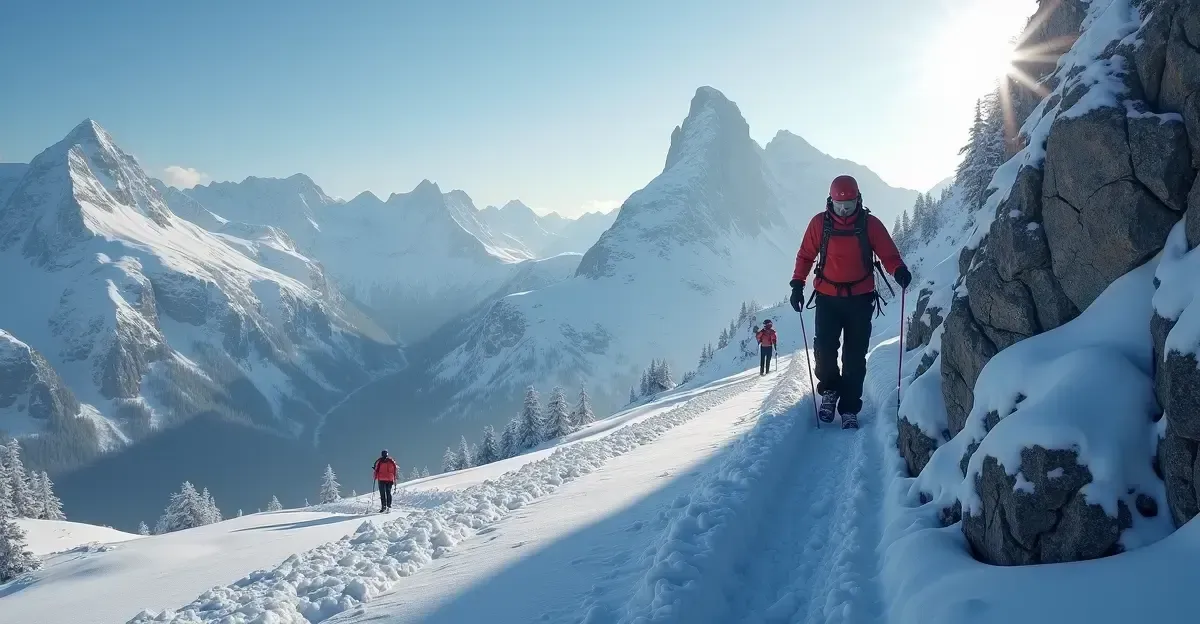
According to the Dutch public broadcaster NOS, the two young Germans started their tour from the Austrian town of Ehrwald in Tyrol at around 1:30 a.m. on Sunday, 1 November 2026. Their goal was the 2,962-metre summit of the Zugspitze, which sits on the border between Germany and Austria. At roughly 2,500 metres – a few hundred metres below the peak – they encountered worsening conditions and could no longer continue.
Police said the pair stood knee-deep in snow in heavy snowfall and temperatures of minus 12 degrees Celsius. It remains unclear why the two separated or whether the decision was made jointly, authorities added.
This incident highlights the Zugspitze winter climbing dangers that even experienced hikers can face when attempting a sunrise summit outside normal daylight hours.
Why did the 21-year-old leave the teenager behind?
Investigators have not yet established a clear motive. What is known is that after the pair could not continue, the 21-year-old man began the descent alone. The 17-year-old stayed behind and raised the alarm. Whether the separation was a deliberate abandonment or a misunderstood agreement is part of the ongoing inquiry.
Austrian police are examining whether the man physically endangered a minor – an offence punishable by up to three months in prison under Austrian law. The case file is expected to go to the Innsbruck public prosecutor's office.
Rescue effort and medical condition
Initial rescue by helicopter was impossible because of the bad weather, but a police helicopter was later able to reach the teenager. She was evacuated from around 2,500 metres and taken to a hospital in Garmisch-Partenkirchen suffering from severe hypothermia. She was released shortly afterwards, according to German magazine Der Spiegel and other reports.
Mountain rescuers from Ehrwald also began an approach from the Zugspitzbahn mountain station while air rescue was delayed. The Austrian mountain rescue protocols stress that an exhausted or injured companion should never be left alone in such conditions.
Legal investigation and the Grossglockner precedent
The case echoes a fatal climbing accident decided earlier in 2026. In that incident, a 37-year-old man left his 33-year-old girlfriend just below the summit of Austria's highest mountain, the Grossglockner, in the middle of the night. He told the court he went to get help, but rescuers could not reach the woman until morning; she had already died. The man was convicted of negligent homicide, given a five-month suspended prison sentence and fined more than 9,000 euros.
- 2026 Zugspitze case: 21-year-old man, 17-year-old companion, survived; investigation ongoing for endangering a minor.
- Grossglockner case: 37-year-old man, 33-year-old girlfriend, died; convicted of negligent homicide, suspended sentence.
That Grossglockner fatal climbing accident has shaped how Austrian authorities now assess abandonment cases in alpine environments, experts say.
Frequently Asked Questions
What is the Zugspitze?
The Zugspitze is Germany's highest mountain at 2,962 metres, located on the border between Bavaria and Tyrol, Austria.
How cold was it when the climber left the teenager?
Police reported heavy snowfall and temperatures of about minus 12 degrees Celsius, with knee-deep snow at around 2,500 metres.
What is the man accused of?
He is suspected of physically endangering a minor, an offence that carries a maximum prison term of three months in Austria.
Did the teenager survive?
Yes. She was rescued by police helicopter and treated for severe hypothermia at Garmisch-Partenkirchen hospital before being released quickly.


Follow Discussion