


 Deutsch
 English
 Español
 Français
 Nederlands
 Português


 Share
Share




Fountain Collapses During World Cup Celebrations in Ciudad Rodrigo
A 13-year-old boy has died and several others were injured after a historic fountain collapsed in Ciudad Rodrigo, western Spain, during celebrations of Spain's 2026 World Cup final victory over Argentina. The tragedy struck shortly after midnight on Monday, July 20, 2026, when the upper section of the Árbol Gordo fountain gave way under the weight of jubilant fans who had climbed onto the structure.
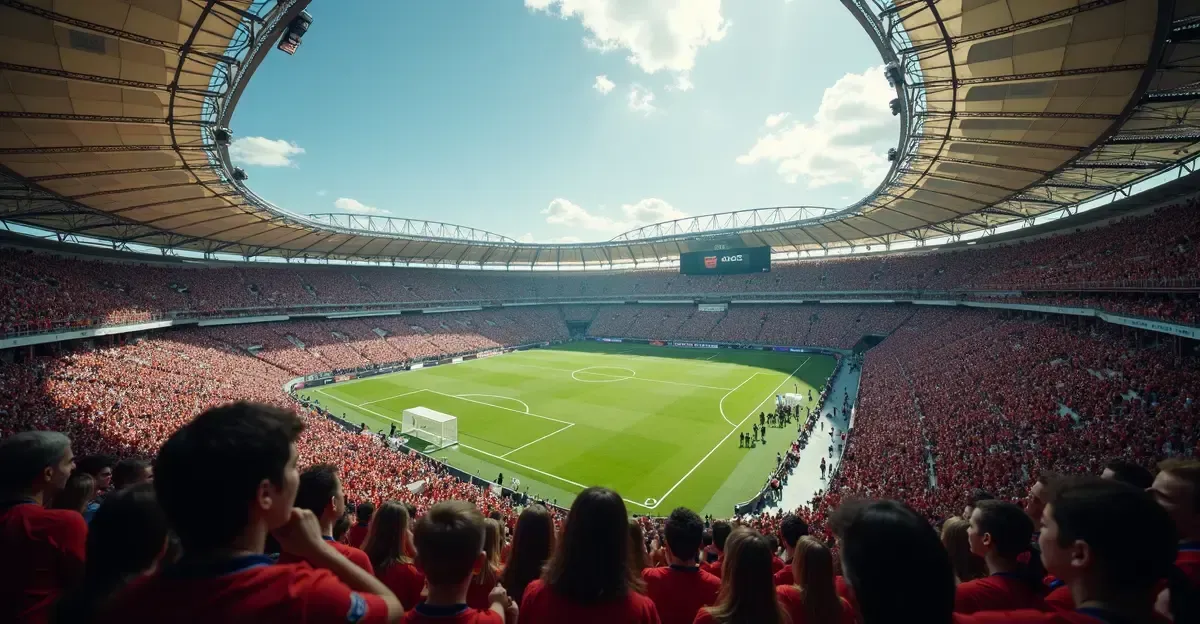
Spain had just secured its second-ever World Cup title with a dramatic 1-0 extra-time win against defending champions Argentina at MetLife Stadium in New Jersey. Substitute Ferran Torres scored the winning goal in the 106th minute, sparking nationwide euphoria. However, the joy turned to horror in the historic town of Ciudad Rodrigo, located in the province of Salamanca near the Portuguese border.
What Happened at the Árbol Gordo Fountain?
The incident occurred at approximately 00:33 local time at the Glorieta del Árbol Gordo, a central roundabout in Ciudad Rodrigo. Hundreds of young fans had gathered at the fountain to celebrate Spain's victory. Many climbed onto the stone structure, which dates back several decades. The upper portion of the fountain suddenly broke away, crashing down on the crowd below.
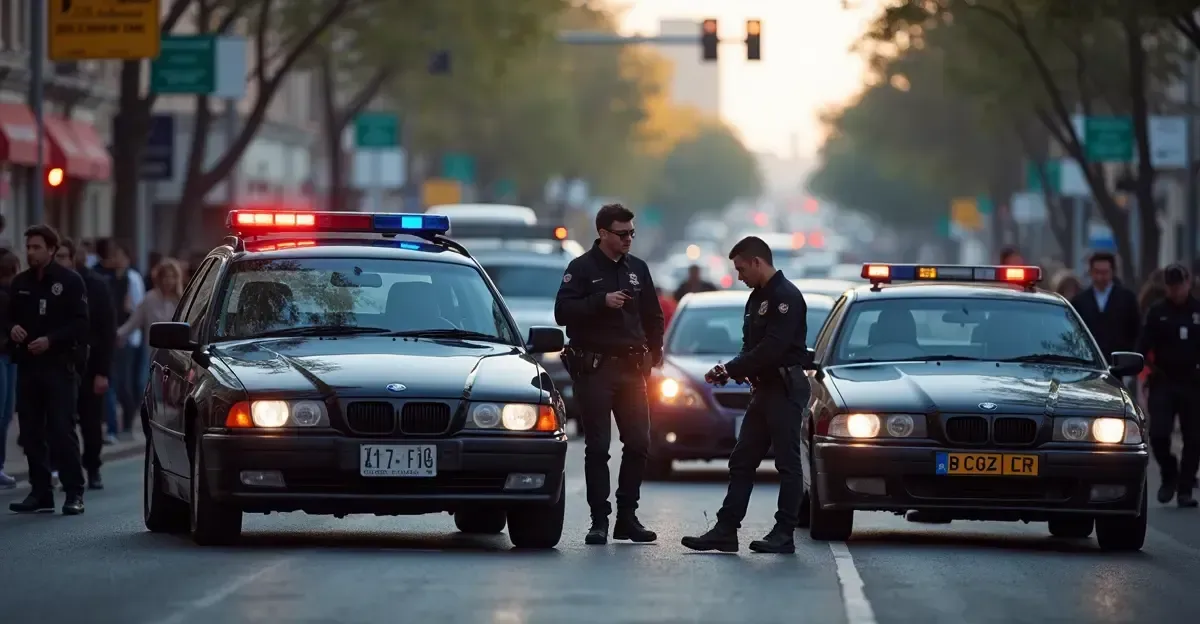
The 13-year-old victim sustained severe injuries and was rushed to the local health center, where he died shortly afterward. At least two other people were injured, including one individual who suffered a broken leg. Emergency services, including local police, the Civil Guard, firefighters, and medical teams, were immediately dispatched to the scene.
The town's mayor expressed deep sorrow, stating: 'What was meant to be a celebration of the national team's victory has turned into a tragedy.' The local government has activated a Psychological Intervention Group to support the victim's family and friends.
Spain's 2026 World Cup Victory
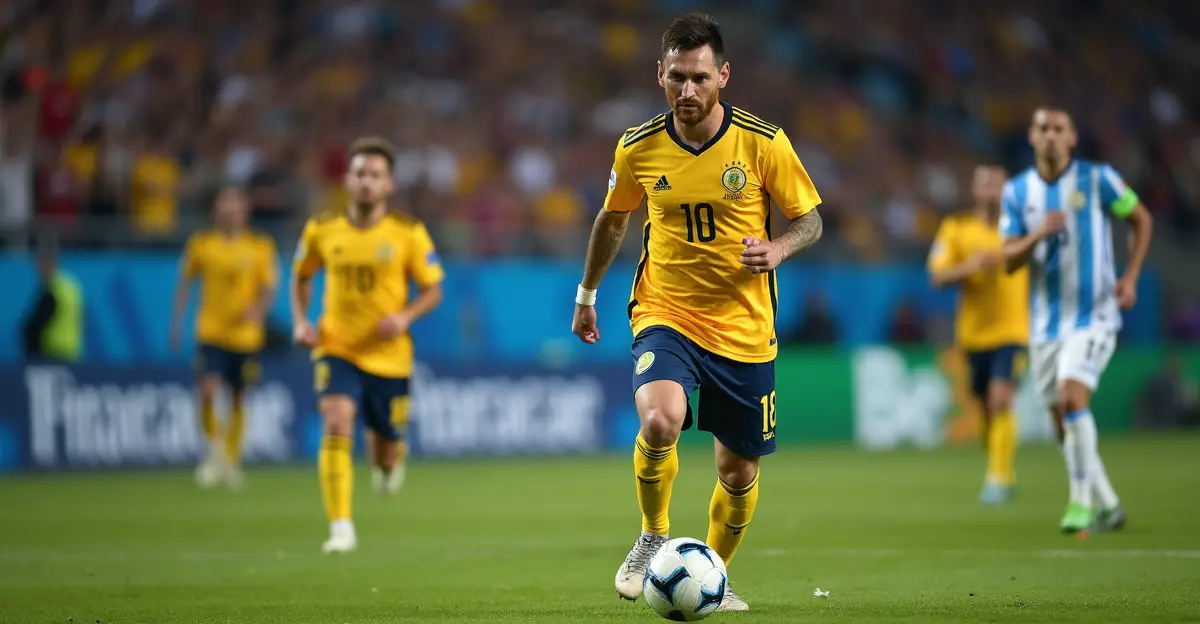
The 2026 FIFA World Cup final, held on July 19, 2026, at MetLife Stadium in East Rutherford, New Jersey, saw Spain defeat Argentina 1-0 in extra time. Ferran Torres, who came off the bench, scored the decisive goal in the 106th minute after connecting with a header from Nico Williams. The victory marked Spain's second World Cup title, following their 2010 triumph in South Africa.
Spain became the first nation to simultaneously hold both the men's and women's World Cup titles, having won the women's tournament in 2023. Goalkeeper Unai Simón was awarded the Golden Glove for his outstanding performances throughout the tournament.
The match was played before 80,663 spectators and was refereed by Slavko Vinčić from Slovenia. Argentina's Lionel Messi, at 39 years old, played in his third World Cup final—a feat achieved only by Brazil's Cafu previously.
Widespread Celebrations Across Spain
Following the final whistle, celebrations erupted across Spain, from Madrid's Plaza de Cibeles to Barcelona's Arc de Triomf. Fans waved Spanish flags, set off fireworks, and partied into the early hours. However, the tragedy in Ciudad Rodrigo cast a shadow over the festivities nationwide.
Similar incidents have occurred during past World Cup celebrations. In 2022, a fan died after falling from a lamppost in Madrid during World Cup celebrations. The risks of mass celebrations during major tournaments have prompted calls for better crowd management and infrastructure safety checks.
Authorities have cordoned off the Árbol Gordo area pending a structural investigation. The fountain, a well-known landmark in the town, will be examined to determine the cause of the collapse. Officials have urged caution at other public gatherings and reminded citizens to avoid climbing on monuments and historical structures.
Impact and Implications
The tragedy has sparked a national conversation about public safety during large-scale celebrations. Local governments across Spain are reviewing the structural integrity of monuments and public spaces that could attract crowds during future events. The safety regulations for public monuments during celebrations are now under scrutiny.
Ciudad Rodrigo, a small cathedral city with a population of around 13,000, is known for its rich history dating back to Celtic and Roman times. The Árbol Gordo fountain had been a gathering point for decades, and its collapse has deeply shaken the community.
Frequently Asked Questions
What caused the fountain collapse in Ciudad Rodrigo?
The exact cause is under investigation, but preliminary reports indicate that the weight of multiple people climbing onto the upper section of the Árbol Gordo fountain caused the structure to give way.
How many people were injured in the accident?
At least two people were injured in addition to the fatality, including one person with a broken leg. The full extent of injuries is still being assessed.
When did Spain win the 2026 World Cup?
Spain defeated Argentina 1-0 in the 2026 FIFA World Cup final on July 19, 2026, at MetLife Stadium in New Jersey. Ferran Torres scored the winning goal in extra time.
What is being done to support the victim's family?
The Ciudad Rodrigo city council has activated a Psychological Intervention Group to provide counseling and support for the family and friends of the deceased boy.
Has this happened before during World Cup celebrations?
Yes, similar tragedies have occurred in other countries. In 2022, a fan died in Madrid after falling from a lamppost, and during the 2022 World Cup, crowd crushes in other nations led to fatalities. The history of World Cup celebration accidents highlights the need for improved safety measures.
Sources
- BBC News: 'Boy, 13, dies during World Cup celebrations in Spain'
- Euronews: 'Boy, 13, dies as fountain collapses during Spain's World Cup celebrations in Ciudad Rodrigo'
- The Independent: 'Spain World Cup 2026: Boy dies after fountain collapses in Ciudad Rodrigo'
- Wikipedia: '2026 FIFA World Cup final'



Follow Discussion