Nederlands
 English





Four Shark Attacks in 48 Hours Prompt Beach Closures
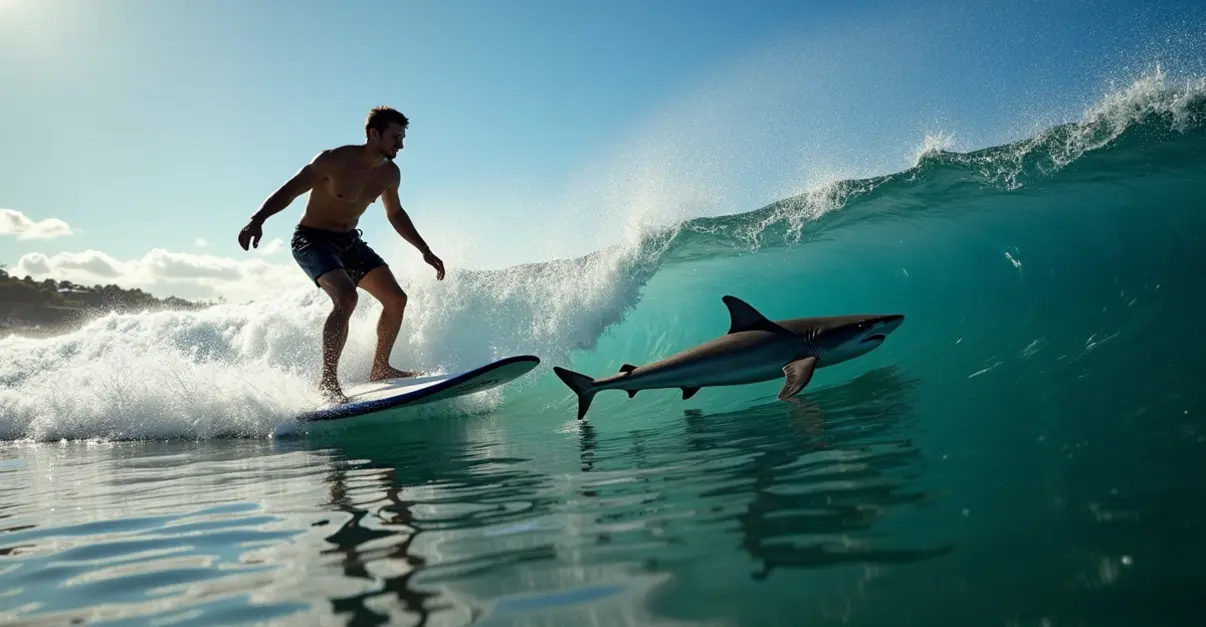
Australia's eastern coast is experiencing an alarming spike in shark attacks, with four separate incidents occurring within just 48 hours. The latest attack involved a surfer at Point Plomer, approximately 450 kilometers north of Sydney, who escaped with only minor injuries after a shark struck his surfboard. 'It appears the surfboard took the brunt of the impact,' a local lifeguard reported.
Multiple Injuries and Widespread Beach Closures
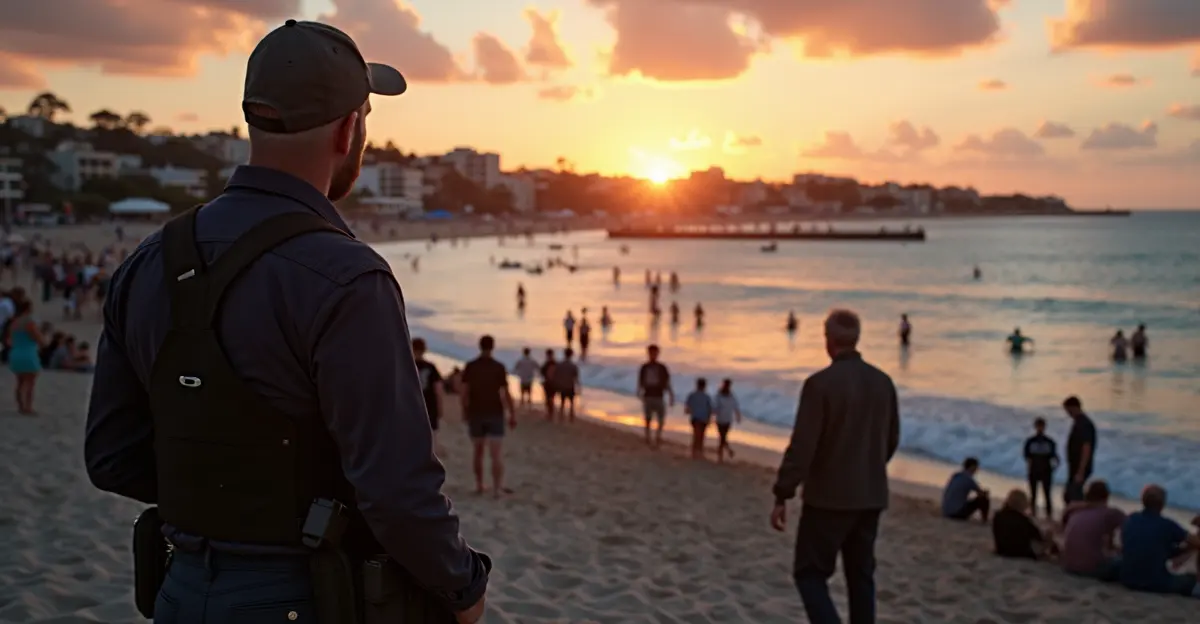
Two of the four victims sustained serious injuries in the attacks, prompting authorities to close dozens of beaches north of Sydney for at least two days. With Australia currently in its summer season, the closures affect popular swimming and surfing spots during peak beach weather. 'If you're considering going for a swim, just go to a swimming pool instead,' advised a spokesperson from the Surf Life Saving organization.
Heavy Rainfall Creates Perfect Storm for Shark Activity
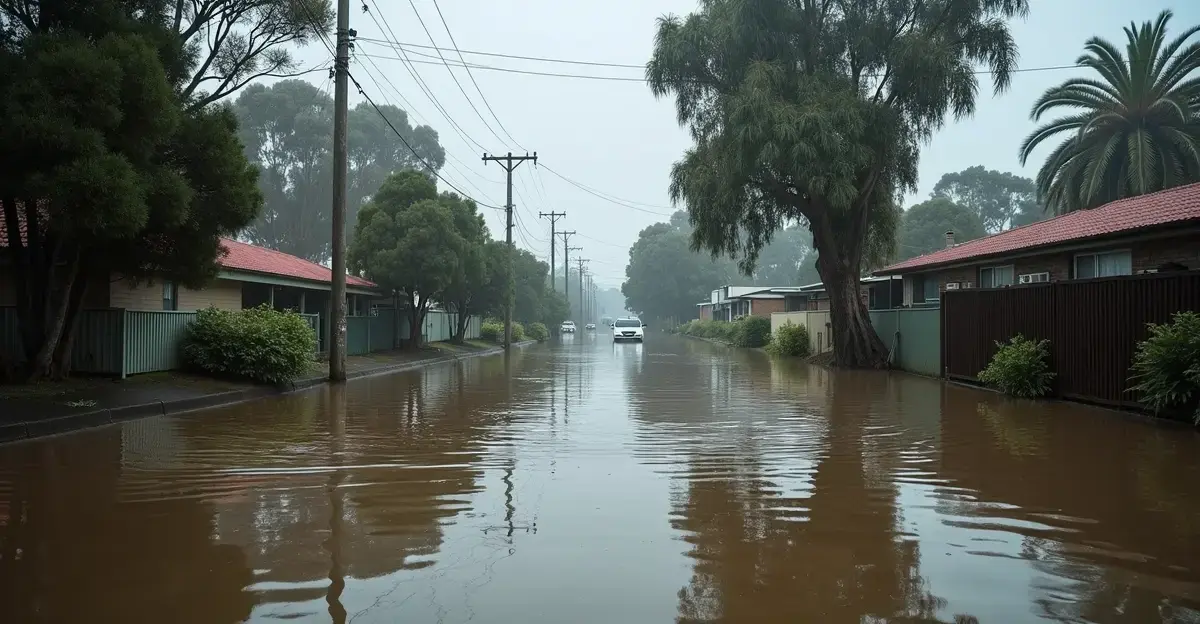
Experts point to extreme weather conditions as the primary cause of the increased shark activity. On Sunday, Sydney experienced its wettest day since 1988 with 127 millimeters of rainfall in 24 hours. According to shark expert Chris Pepin-Neff from the University of Sydney, 'Swimming in Sydney Harbour after heavy rainfall is a terrible idea due to increased shark risk.' The heavy rain causes raw sewage from the metropolitan area to flow into the ocean, attracting bait fish that in turn draw sharks closer to shore.
Bull Sharks: The Primary Culprits
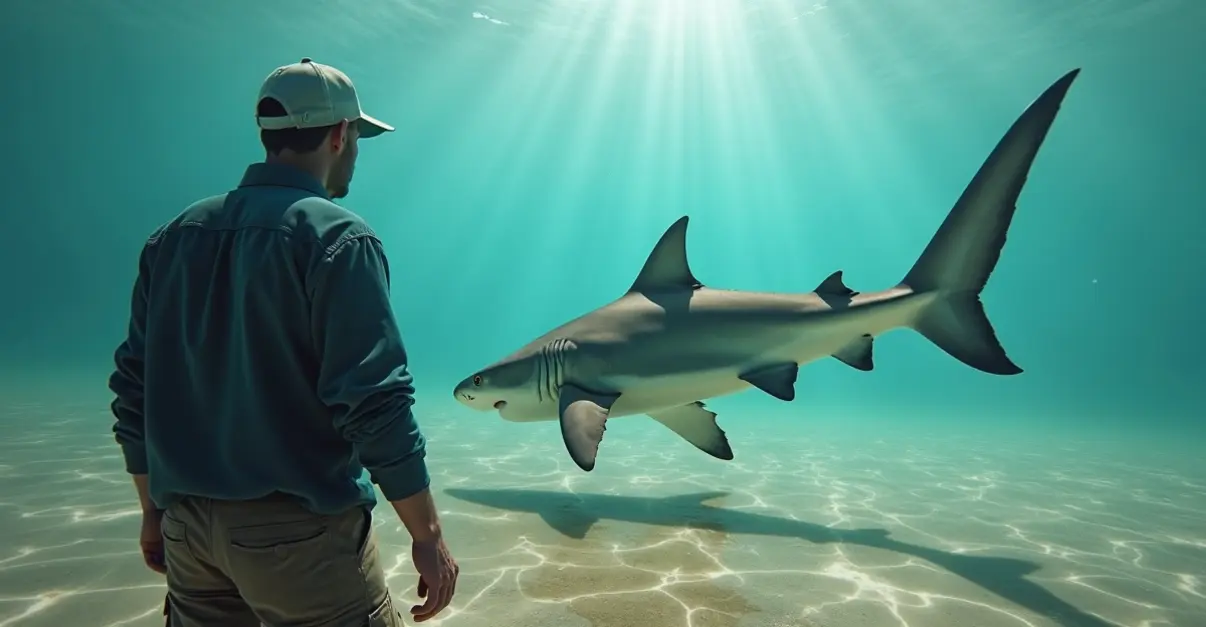
Authorities suspect bull sharks (Carcharhinus leucas) are responsible for the attacks. These aggressive predators thrive in both salt and freshwater environments and are commonly found in shallow coastal waters and river mouths. 'Bull sharks are particularly drawn to turbid, brackish water conditions that reduce visibility,' explained a marine ecologist. Along with great white and tiger sharks, bull sharks are considered among the most dangerous shark species to humans.
Australia's Shark Attack Statistics
Australia typically experiences around 20 shark attacks annually, with an average of three proving fatal. According to the International Shark Attack File, Australia has the second-highest number of shark attacks globally but leads in fatality rates, accounting for 40% of worldwide shark-related deaths in recent years. The current spike represents an unusual concentration of incidents in a short timeframe.
Safety Measures and Future Outlook
Authorities have deployed drones, helicopters, and jet skis to monitor coastal waters, while experts recommend avoiding ocean swimming for at least 72 hours after significant rainfall. The threat is expected to persist until waters clear, which could take up to a week. 'This isn't due to increasing shark populations but rather more human-shark interactions as development encroaches on habitats and beach usage rises,' noted a marine conservation specialist.