
 Deutsch
 English
 Español
 Français
 Nederlands
 Português






Back-to-Back Crane Collapses Kill 34 in Two Days
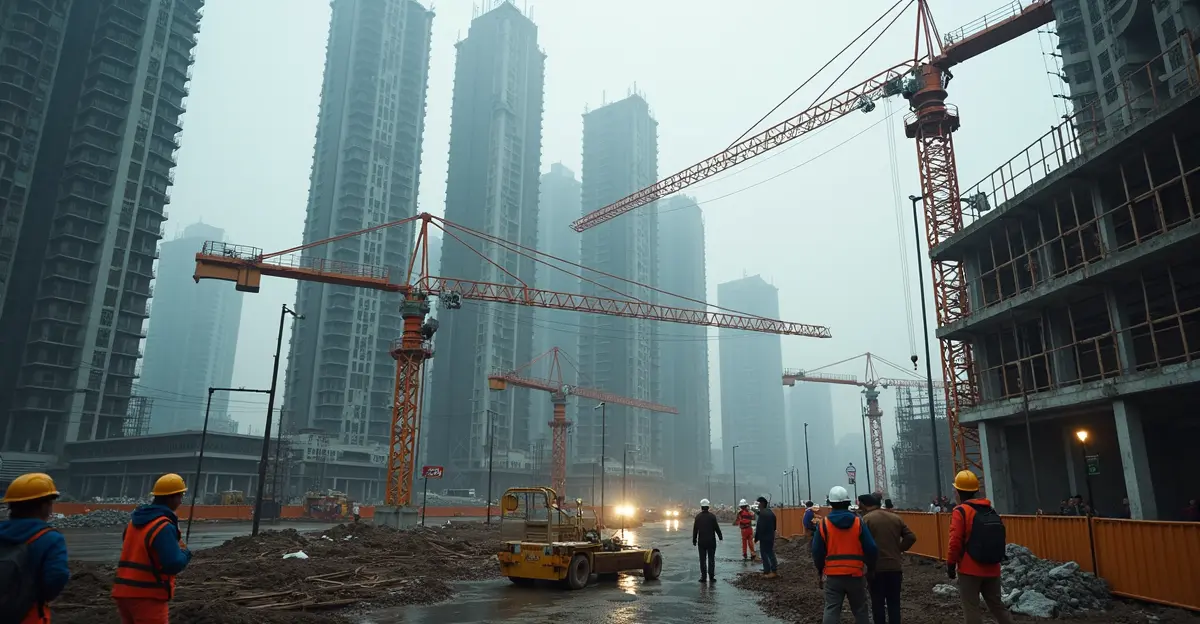
Thailand is reeling from two catastrophic crane accidents that occurred within 24 hours, killing a total of 34 people and exposing systemic failures in the country's construction safety oversight. The tragedies have sparked national outrage and raised urgent questions about why dangerous contractors continue to operate despite previous deadly incidents.
The Deadly Sequence of Events
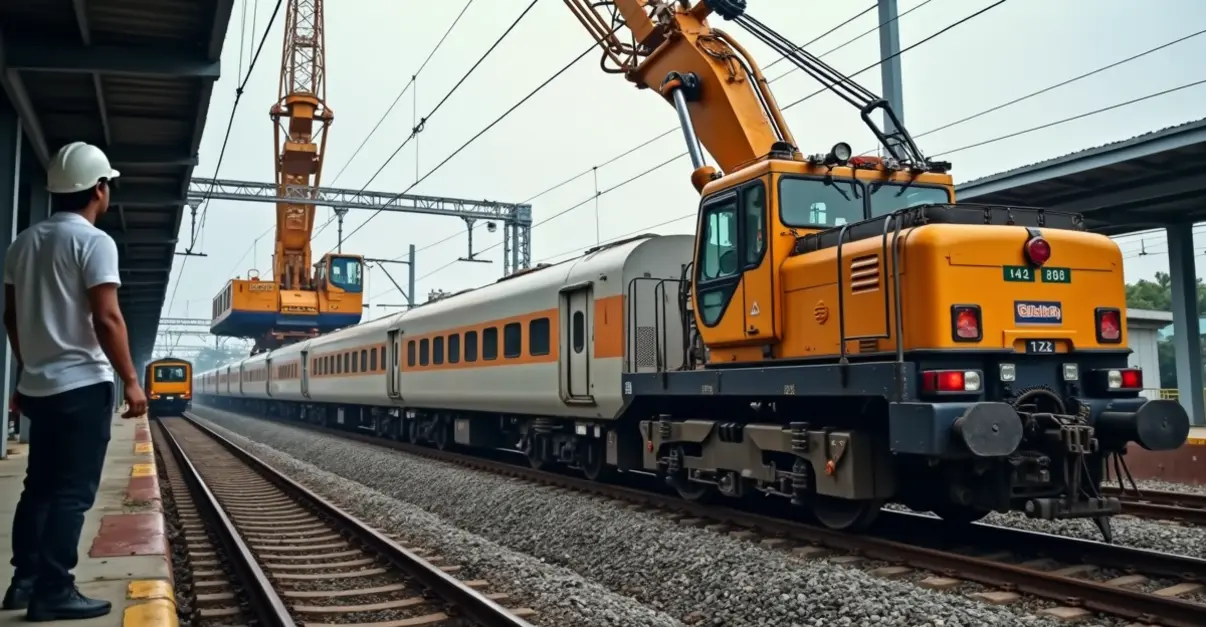
On January 14, 2026, a construction crane collapsed onto a passenger train traveling at 120 km/h in Nakhon Ratchasima province, about 200 kilometers northeast of Bangkok. The crane, operated by Italian-Thai Development Plc (ITD), was working on the prestigious Bangkok-Kunming high-speed rail project when it fell, slicing the train in half and causing explosions and fire. 'The scene was horrific - the train was cut clean through by the concrete beam,' said a local emergency responder who requested anonymity. The disaster claimed 32 lives and injured 66 others.
Just one day later, on January 15, another ITD-operated crane collapsed on the Rama II Expressway construction site in Samut Sakhon province near Bangkok, crushing two vehicles and killing two people. The Rama II Road has earned the grim nickname 'Death Road' due to multiple fatal accidents in recent years, including previous crane collapses in November 2024 and concrete beam failures in March 2025.
Same Contractor, Repeated Tragedies
Both accidents involved Italian-Thai Development Plc, one of Thailand's largest construction companies with a history of safety incidents. According to Wikipedia, ITD was founded in 1958 and has been involved in major projects including Suvarnabhumi Airport and the BTS Skytrain. However, the company has faced multiple recent safety failures.
In August 2025, ITD was indicted along with its joint-venture partner China Railway No. 10 for breaches of construction regulations following the collapse of the State Audit Office building during the Mandalay earthquake, which killed nearly 100 people. The company was also involved in the March 2025 Rama III–Dao Khanong Expressway collapse that killed seven people.
'Why is this company not on a blacklist?' Prime Minister Anutin Charvirakul demanded during his visit to the train disaster site. 'This is the same song playing again and again. We need immediate action - we cannot let this problem continue.'
Systemic Safety Failures and Corruption
Thailand has comprehensive construction safety regulations, including the 2011 Occupational Safety, Health, and Environmental Act requiring safety officers on sites. However, enforcement remains notoriously weak. 'The rules exist on paper, but enforcement is abysmal,' said construction safety expert Dr. Somchai Pongpanich. 'Corruption among local politicians and officials is a major factor.'
According to The Nation Thailand, the Comptroller-General's Department has clarified it cannot unilaterally blacklist contractors, and no government agency has ever proposed blacklisting contractors involved in serious accidents or fatalities. This regulatory gap allows repeat offenders to continue operating.
The Transport Minister has emphasized the need for accountability and stricter regulations, but observers say meaningful change requires sustained enforcement rather than temporary crackdowns. 'We've seen promises after every tragedy, but the system remains broken,' said human rights activist Pimchanok Srisuwan.
Political Implications and Public Outrage
The accidents come at a politically sensitive time for Prime Minister Anutin and his centrist party, which faces pressure from the progressive People's Party of young anti-establishment activists leading in polls. The premier expressed particular anger about compensation offered to victims' families - just 1,100 euros per victim from the State Railway of Thailand. 'That is far too little. It's not only a slap in the face of the families but also in the face of the government,' he said.
International media have raised serious concerns about Thailand's construction safety standards. The BBC noted that about 150 people have been killed in accidents on the Bangkok-to-southern Thailand highway construction route over seven years, dubbing it a 'road of death.'
Path Forward: Reforms and Accountability
The government has promised nationwide safety reviews and potential legal changes. The Comptroller-General's Department introduced a new 'Contractor Rating Book' regulation effective January 2026, allowing point deductions, bid suspensions, and contractor downgrades for severe negligence endangering public safety.
Additionally, Thailand has strengthened anti-corruption measures in public construction projects by requiring third-party external observers to begin oversight during initial bidding stages of the Integrity Pact programme, which has proven effective in saving billions of baht through observer recommendations.
However, as rescue workers continue clearing debris and families mourn their losses, many Thais wonder if this time will be different. 'We've buried too many people because of these preventable accidents,' said Nakhon Ratchasima resident Supaporn Chaiyaporn. 'When will our safety matter more than profits?'


Follow Discussion