


 Deutsch
 English
 Español
 Français
 Nederlands
 Português


 Share
Share




Swiss Ski Gondola Crash Explained: 61-Year-Old Woman Killed in Engelberg Accident
A tragic ski gondola accident at Switzerland's Engelberg-Titlis resort on March 18, 2026, has claimed the life of a 61-year-old woman, raising serious questions about alpine safety protocols during extreme weather conditions. The fatal incident occurred when a cabin on the Titlis Xpress gondola lift detached from its cable and plummeted down a mountainside during strong winds exceeding 80 km/h (50 mph), despite weather warnings being in effect.
What Happened in the Engelberg Gondola Accident?
The fatal accident unfolded around 11:00 AM local time on Wednesday, March 18, 2026, at the popular Engelberg-Titlis ski resort in central Switzerland. According to police reports, the 61-year-old Swiss woman from the Nidwalden region was the sole occupant of cabin number 34 on the Titlis Xpress gondola when it detached from the cable between the Trübsee and Stand stations at approximately 2,400 meters (7,874 feet) altitude.
Witnesses described seeing the cabin roll down the mountainside and flip multiple times before coming to rest on a snow-covered slope. 'The gondola came loose and started tumbling down the mountain. It was a horrifying sight,' reported one eyewitness to Swiss media. Emergency services immediately dispatched a trauma helicopter to the scene, but despite resuscitation attempts, the woman succumbed to her injuries.
Weather Conditions and Safety Protocols
At the time of the accident, the Swiss meteorological service MeteoSwiss had issued a level 2 wind warning for 'moderate danger' in the Engelberg region, with gusts measured at over 80 km/h (50 mph) in the ski area. This raises critical questions about why the ski lift safety protocols allowed the gondola to operate during such conditions.
Key Safety Questions Being Investigated:
- Why was the Titlis Xpress operating despite wind warnings?
- Were proper wind speed monitoring systems in place?
- What emergency shutdown procedures were followed?
- How frequently are gondola safety systems tested?
Norbert Patt, CEO of Titlis-Bahnen, the lift operator, stated that the gondola system was 'hypermodern' and had undergone a complete maintenance check in September 2025 as part of its regular six-month inspection schedule. The Titlis Xpress was built in 2014 and can carry up to eight passengers per cabin.
Emergency Response and Evacuation
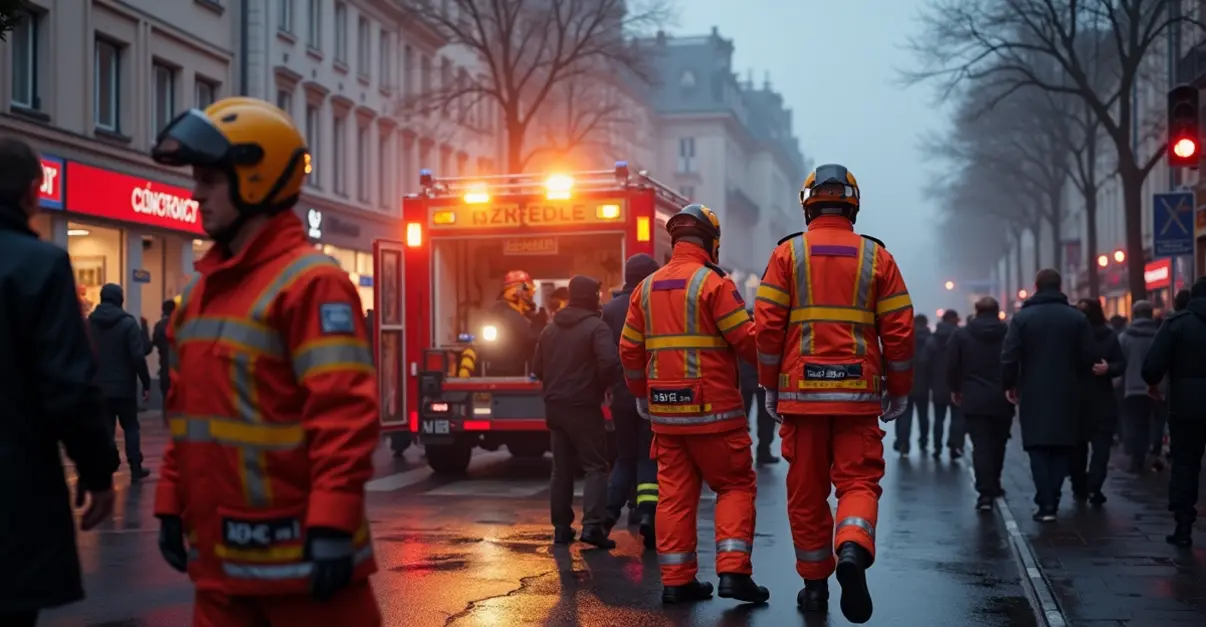
Following the accident, emergency services launched a massive rescue operation. Approximately 100-200 passengers were stranded in 40 other gondolas along the 1,900-meter (6,234-foot) line. Rescue teams worked for several hours to safely evacuate all remaining passengers from the suspended cabins.
The Swiss Accident Investigation Board (SAIB) has taken over the investigation, examining multiple factors including mechanical integrity, weather conditions, and operational decisions. 'We are cooperating fully with authorities to determine exactly what happened,' said Norbert Patt in a statement to media.
Historical Context of Alpine Transportation Safety
This tragic incident represents one of the most serious cable car accidents in Switzerland since 1972, when a similar incident claimed multiple lives. The alpine transportation safety record in Switzerland has generally been excellent, with strict regulations governing ski lift operations. However, this accident highlights potential vulnerabilities during extreme weather events that may become more frequent due to climate change.
Comparison: Swiss Ski Lift Safety Standards
| Safety Feature | Swiss Standard | International Standard (ANSI B77.1) |
|---|---|---|
| Maximum Wind Speed | Varies by lift type | Specific limits based on design |
| Inspection Frequency | Every 6 months | Annual minimum |
| Emergency Evacuation | Required training | Mandatory procedures |
| Weather Monitoring | Real-time systems | Recommended best practice |
Impact on Winter Tourism and Safety Regulations
The Engelberg gondola accident has immediate implications for Switzerland's winter tourism industry, which attracts millions of visitors annually. All lifts in the Engelberg ski area have been closed indefinitely while investigations continue. This incident follows other alpine safety incidents this season, including 125 avalanche deaths reported across the Alps.
Swiss authorities are likely to review safety regulations for cable car operations, particularly regarding weather-related shutdown protocols. The investigation will examine whether automated wind monitoring systems functioned properly and whether human operators followed established safety procedures.
Frequently Asked Questions (FAQ)
What caused the Engelberg gondola accident?
Initial investigations point to strong winds exceeding 80 km/h as a contributing factor, but the exact cause is under investigation by the Swiss Accident Investigation Board.
How often are Swiss ski lifts inspected?
Swiss regulations require comprehensive inspections every six months, with the Titlis Xpress having passed its last inspection in September 2025.
Were other passengers at risk during the accident?
Approximately 100-200 passengers in 40 other gondolas were safely evacuated following the incident, with no additional injuries reported.
What safety features do modern gondolas have?
Modern gondolas like the Titlis Xpress include automatic braking systems, emergency communication, wind monitoring, and evacuation equipment.
How common are fatal gondola accidents in Switzerland?
Fatal gondola accidents are extremely rare in Switzerland, with this being one of the most serious incidents since 1972.




Follow Discussion