


 Deutsch
 English
 Español
 Français
 Nederlands
 Português


 Share
Share




Commercial Jet Narrowly Avoids Collision with 'Invisible' Military Aircraft
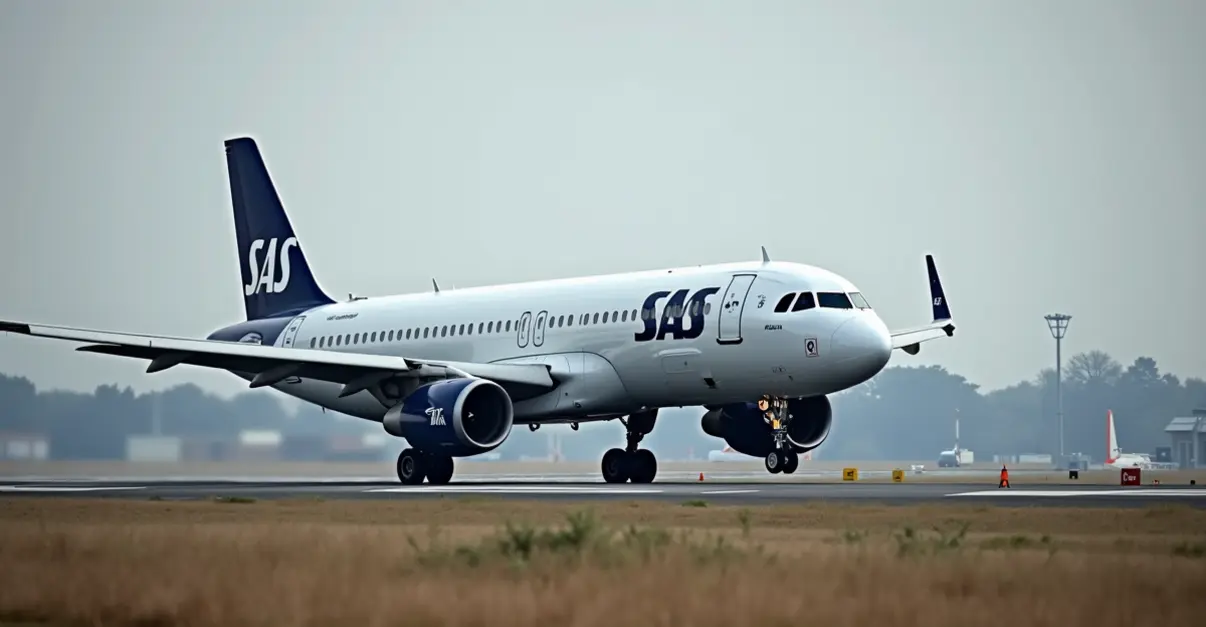
A JetBlue passenger aircraft carrying approximately 150 people narrowly avoided a catastrophic collision with a US military refueling tanker over the Caribbean Sea near Curaçao on Friday evening, December 12, 2025. The incident, which aviation experts are calling one of the most serious near-misses of the year, occurred when JetBlue Flight 1112 from Curaçao to New York's JFK International Airport was forced to take emergency evasive action just 26 minutes after takeoff.
'We Had to Take Defensive Action'
According to publicly released audio recordings of cockpit communications, the Airbus A320-232 crew reported seeing a US military tanker aircraft crossing directly in front of their flight path at the same altitude. 'We had to take defensive action to avoid a collision,' one pilot can be heard saying in the tense exchange with Curaçao air traffic control. The incident occurred at approximately 5:04 p.m. local time as the JetBlue aircraft was climbing through flight levels.
Flight tracking data confirms the commercial jet abruptly stopped climbing at the exact moment of the reported near-collision. What makes this incident particularly alarming is that the military aircraft was reportedly flying without its transponder activated, making it effectively 'invisible' to both the pilots' onboard systems and air traffic control radar. 'It's outrageous,' exclaimed one of the JetBlue pilots in the audio recording, highlighting the frustration felt by commercial crews operating in increasingly crowded and complex airspace.
Investigation Underway Amid Regional Tensions
The Dutch Caribbean Air Navigation Service Provider (DC-ANSP), responsible for air traffic control in the region, has confirmed awareness of the incident. 'We are aware of the incident involving JetBlue flight 1112,' a DC-ANSP spokesperson stated, adding that 'while the investigation is ongoing, we cannot provide substantive comments at this time.' The organization did confirm that JetBlue will file an official report with the US Federal Aviation Administration (FAA).
This near-miss comes against a backdrop of heightened military tensions in the Caribbean region. The United States has significantly increased its military presence around Venezuela in recent months, deploying elements of the USS Gerald R. Ford carrier strike group and conducting numerous operations. Venezuela, in turn, has sought military support from Russia and China, creating what some analysts describe as the most serious military standoff in the Western Hemisphere in decades.
Previous Warnings Ignored
What makes this incident particularly concerning is that it follows explicit warnings from aviation authorities. On November 22, 2025, Curaçao's civil aviation authority issued a special notification warning pilots about unidentified aircraft in the airspace around Aruba, Curaçao, and Bonaire (the ABC islands). The notification stated that pilots had repeatedly reported unknown aircraft in the approach areas, with these reports confirmed by air traffic control radar.
The FAA had also issued warnings about increased risks in Venezuelan airspace, leading many international airlines to avoid the region entirely. 'This was almost inevitable with all that unidentified air traffic,' commented a Curaçao-based aircraft spotter who monitors military movements in the region. 'When military aircraft operate without proper identification in civilian airspace, it creates an unacceptable risk for everyone.'
Broader Implications for Aviation Safety
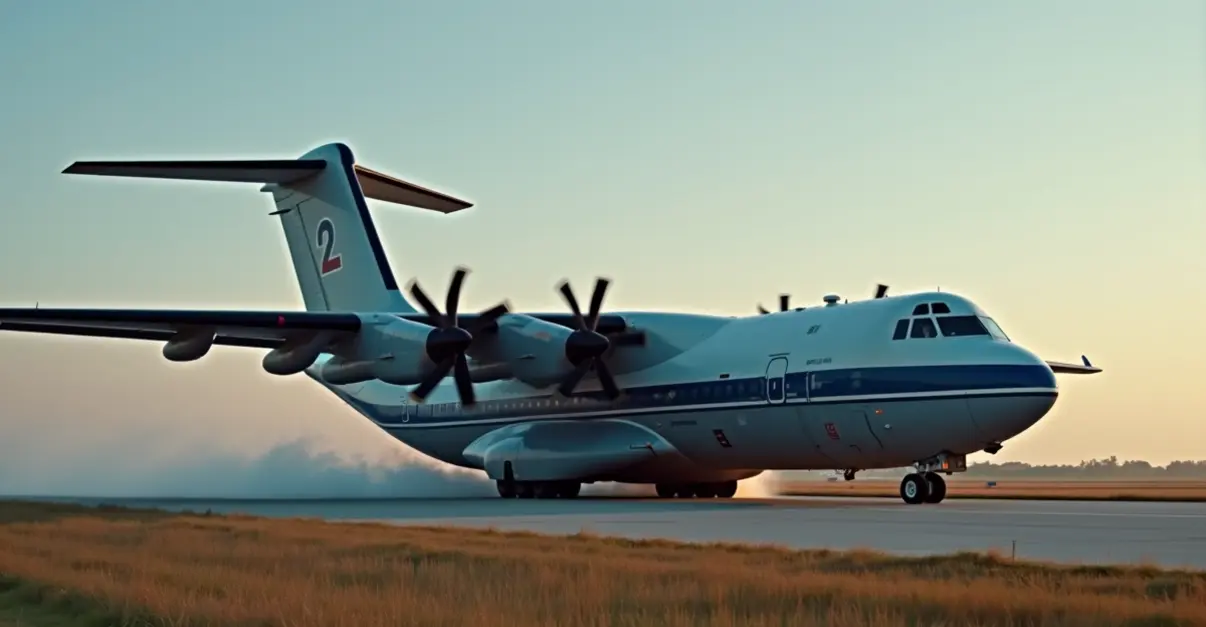
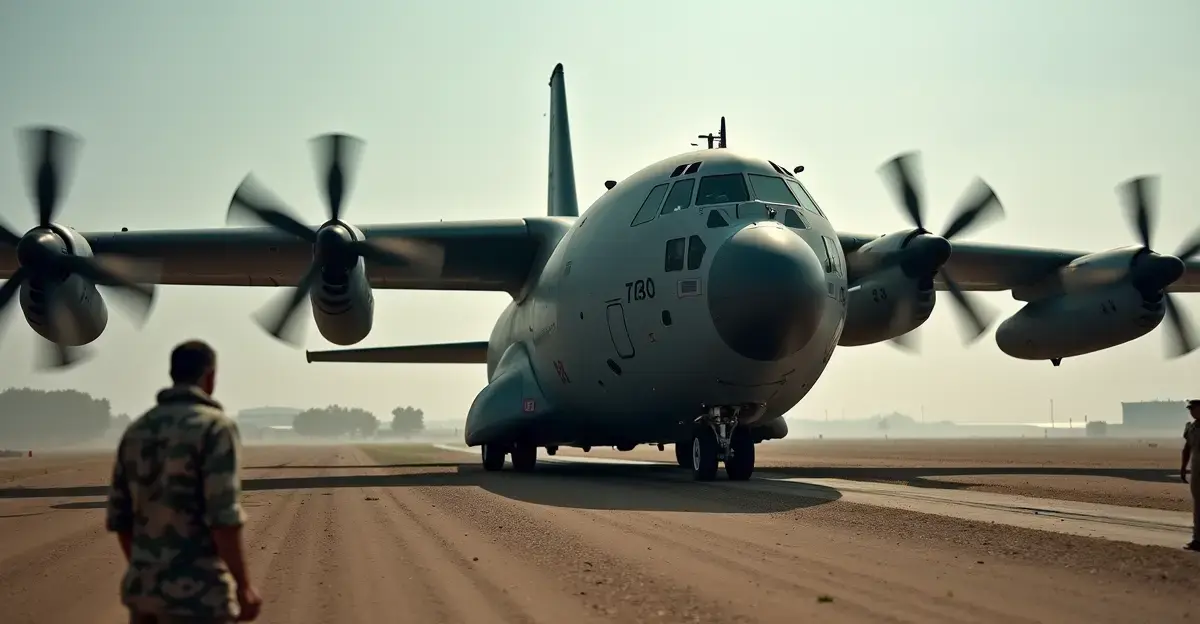
This incident raises serious questions about coordination between military and civilian aviation authorities, particularly in geopolitically sensitive regions. Military tanker aircraft, like the one involved in this near-miss, are designed to carry large fuel reserves and refuel other military aircraft in flight via specialized booms and drogues. Their operations in civilian airspace require careful coordination and communication that appears to have broken down in this case.
Aviation safety experts point to several concerning aspects of this incident. 'The combination of military aircraft operating without transponders in busy civilian airspace, combined with increased geopolitical tensions, creates a perfect storm for aviation safety,' explained Dr. Michael Chen, an aviation safety analyst at the International Air Transport Association. 'We've seen similar incidents in other conflict zones, and they rarely end well.'
The JetBlue aircraft involved, registration N809JB, is a 13-year-old Airbus A320-232 with IAE V2527-A5 engines. JetBlue has experienced several safety incidents in recent months, including an October 2025 incident where another A320 experienced an uncontrolled pitch-down event near Tampa, Florida, resulting in passenger injuries.
Looking Forward: Safety and Diplomacy
As investigations continue, aviation authorities face the dual challenge of ensuring airspace safety while navigating complex geopolitical realities. The incident highlights the need for improved protocols for military-civilian airspace coordination, particularly in regions experiencing heightened military activity.
For the 150 passengers aboard JetBlue Flight 1112, the incident serves as a stark reminder of the complex challenges facing modern aviation. While they arrived safely in New York, the near-miss has sparked renewed calls for better airspace management and clearer rules governing military operations in civilian-controlled airspace.
The broader implications extend beyond aviation safety to international diplomacy. With Curaçao located just tens of kilometers north of Venezuela, the incident raises questions about how regional tensions might increasingly impact civilian infrastructure and safety. As one aviation security expert noted, 'When military and civilian spheres collide in the air, everyone loses. This incident should serve as a wake-up call for better coordination before something truly catastrophic occurs.'


Follow Discussion