


 Deutsch
 English
 Español
 Français
 Nederlands
 Português


 Share
Share




The Economic Toll of the Ukraine War on Global Grain Markets
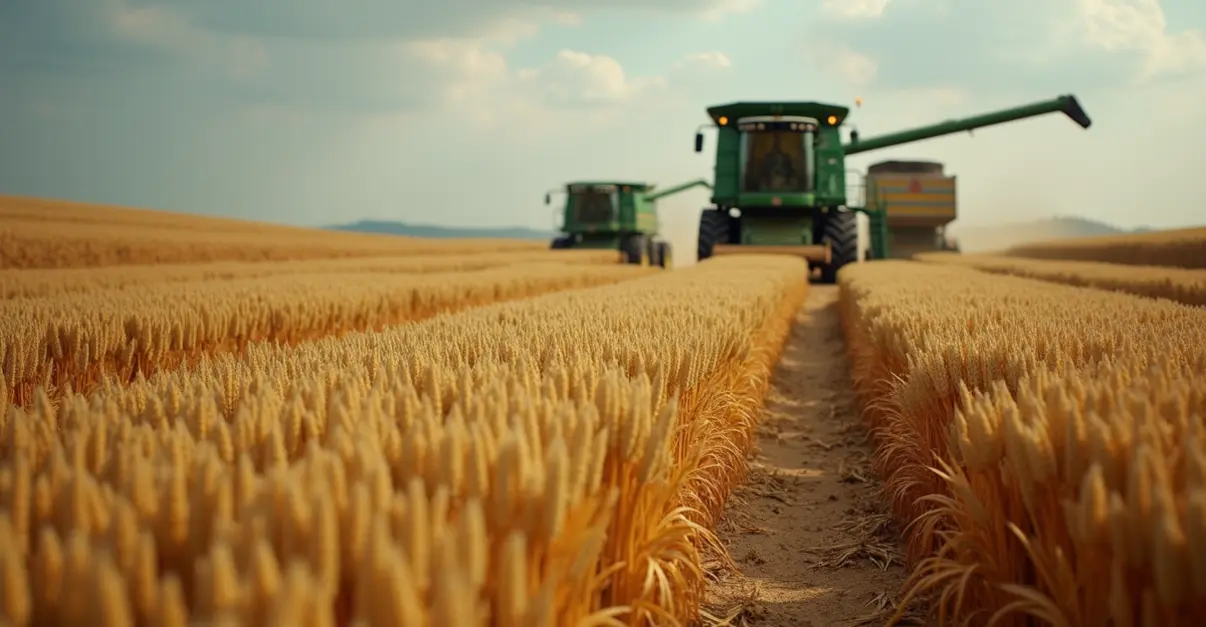
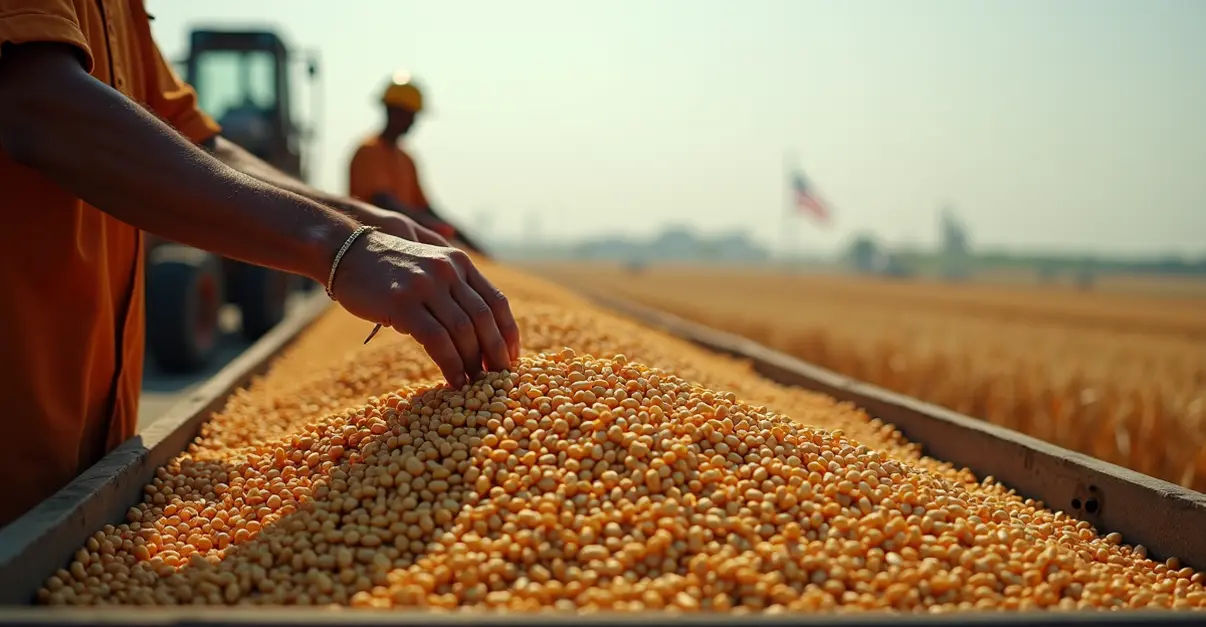
The ongoing conflict in Ukraine has had a profound impact on global grain markets, disrupting supply chains and driving up food prices. Ukraine, often referred to as the "breadbasket of Europe," is a major exporter of wheat, corn, and barley. The war has severely hampered its ability to produce and export these vital commodities, leading to shortages and price volatility worldwide.
Disrupted Supply Chains
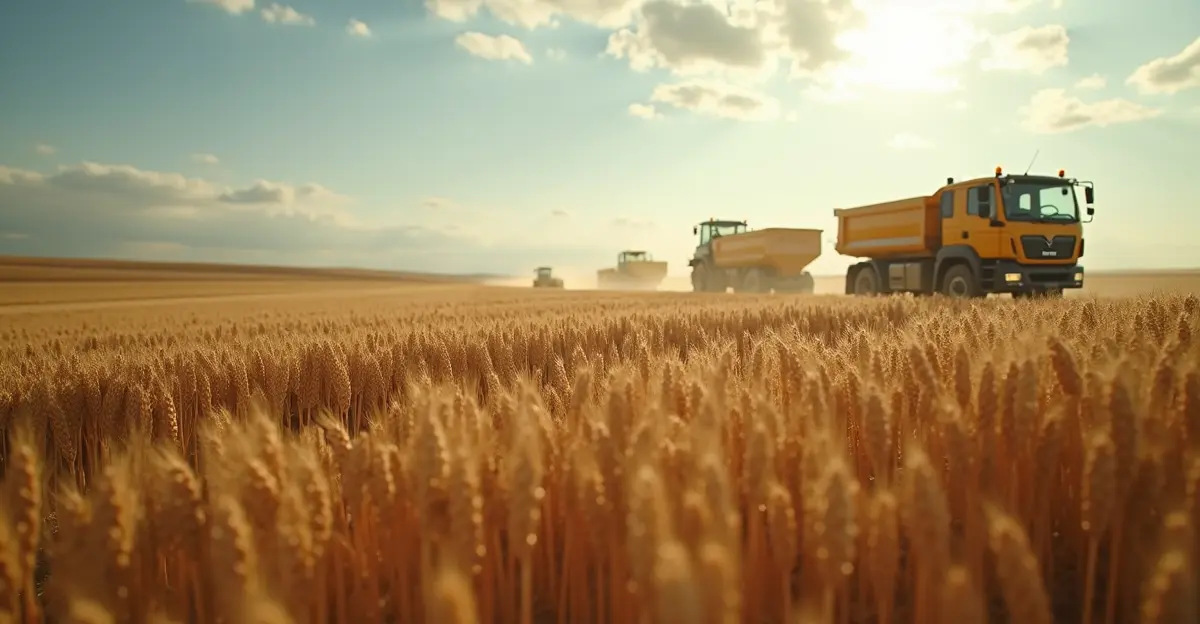
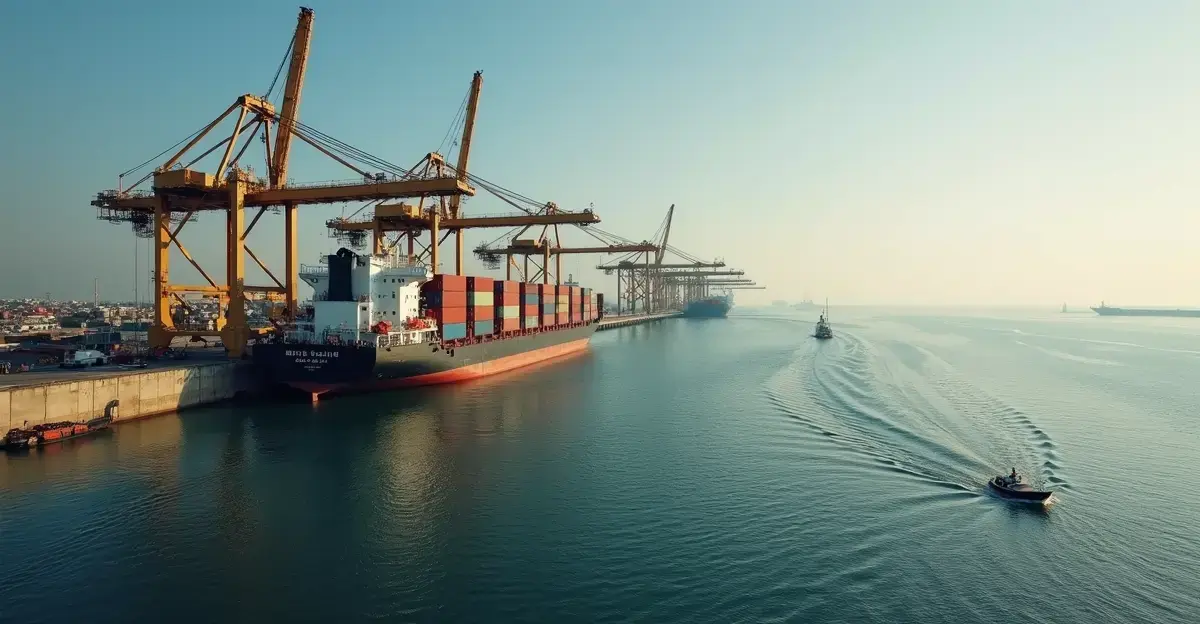
Before the war, Ukraine exported approximately 45 million tons of grain annually, accounting for 10% of the global wheat market and 15% of the corn market. The conflict has blocked key Black Sea ports, such as Odessa, which were crucial for grain exports. Alternative routes via rail and road are insufficient to compensate for the loss, causing delays and increased transportation costs.
Rising Food Prices
The disruption has led to a sharp increase in food prices, particularly in regions heavily reliant on Ukrainian grain. Countries in the Middle East and North Africa, such as Egypt and Lebanon, have been hit hardest. The World Bank reports that global food prices rose by 12% in the first quarter of 2025, exacerbating food insecurity in vulnerable nations.
Global Famine Hotspots
The war has intensified food crises in famine-prone regions. The United Nations warns that over 40 million people are at risk of starvation, with Sub-Saharan Africa and Yemen being the most affected. Humanitarian organizations are struggling to provide aid due to high costs and logistical challenges.
Long-Term Implications
Experts predict that the effects of the war on grain markets will persist for years. Even if the conflict ends, rebuilding Ukraine's agricultural infrastructure will take time. Meanwhile, countries are seeking alternative suppliers, such as Russia and the United States, but this shift is unlikely to fully offset the deficit.

Follow Discussion