Nederlands
 English
 Deutsch
 Français
 Español
 Português
UN Security Council convenes emergency meeting after Russia deploys Oreshnik hypersonic missile against Ukraine, striking near Polish border. Attack coincides with European security guarantee negotiations.
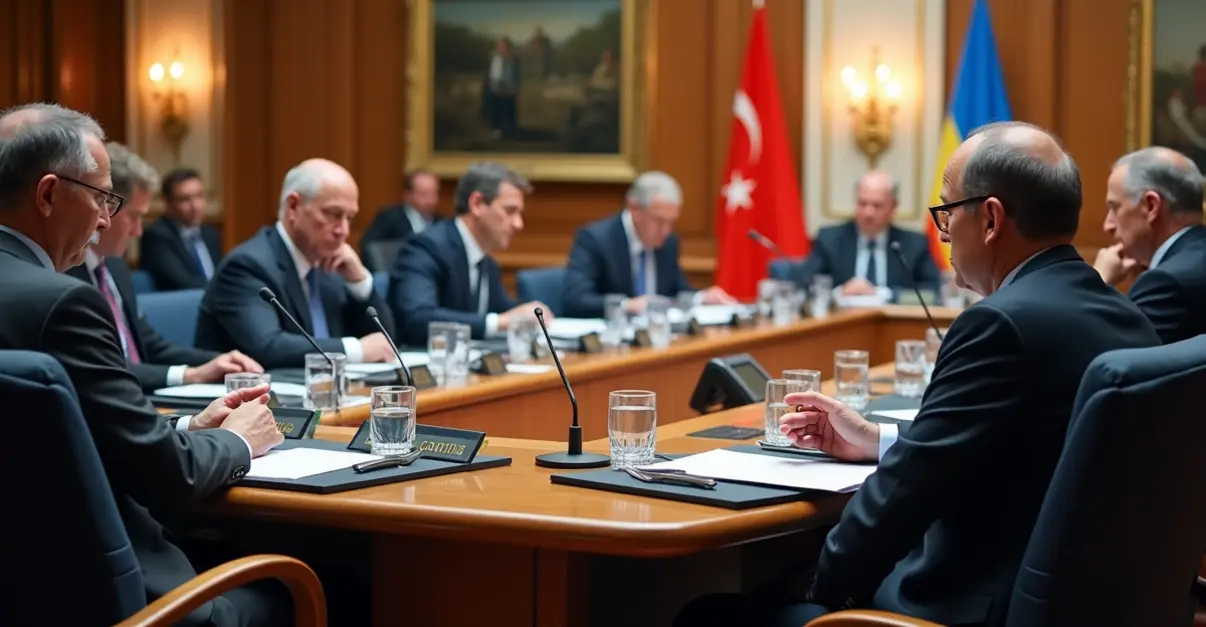
Emergency Session Called as Russia Deploys Advanced Oreshnik Missile
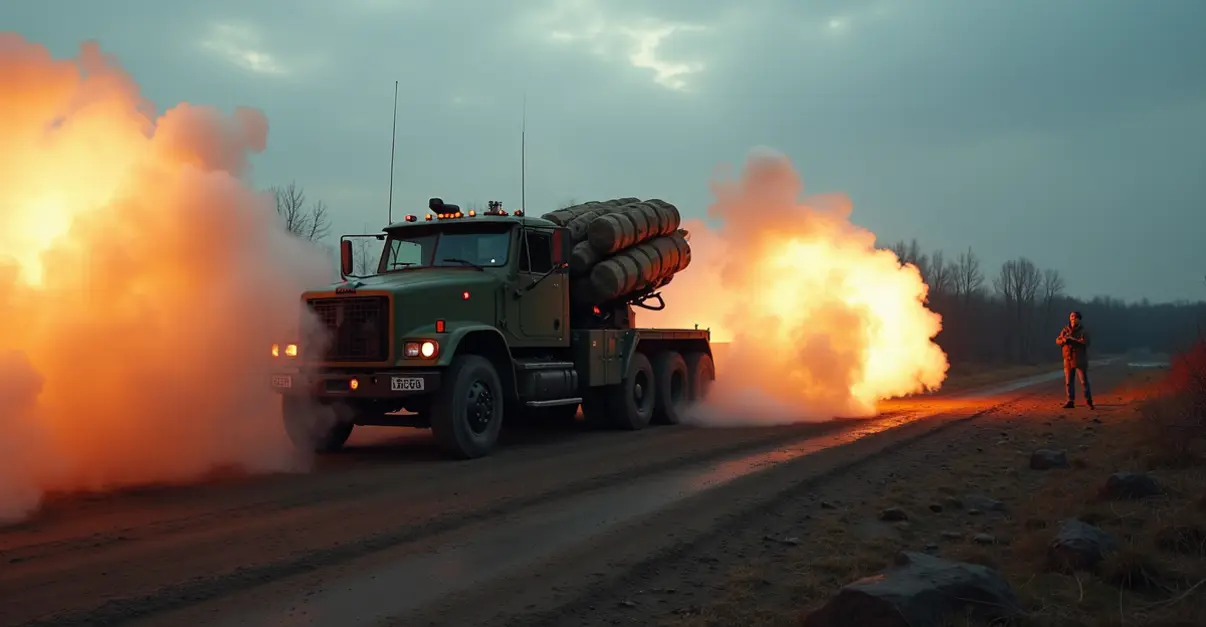
The United Nations Security Council will hold an emergency meeting on Monday following Russia's deployment of its advanced Oreshnik hypersonic missile against Ukraine. This marks only the second time Russia has used this sophisticated weapon in the nearly four-year conflict, raising alarm across European capitals and prompting urgent diplomatic action.
The missile struck near Lviv, just kilometers from the Polish border, in what Ukrainian President Volodymyr Zelensky called 'a clear warning to the capitals of Warsaw, Bucharest, and Budapest'. European leaders have condemned the attack as 'escalatory and unacceptable', while Ukraine's Deputy Foreign Minister Andrii Sybiha urged Security Council members to 'show unity by demanding an end to aggression'.
The Oreshnik: Russia's Hypersonic Game-Changer
The Oreshnik (meaning 'Hazel shrub' in Russian) represents a significant escalation in Russia's military capabilities. According to Wikipedia, this intermediate-range ballistic missile can reach speeds exceeding Mach 10 (over 7,600 mph) and carries multiple independently targetable reentry vehicles (MIRVs), making it exceptionally difficult to intercept with current defense systems.
Russian President Vladimir Putin has boasted that the weapon is 'impossible to intercept' due to its speed, though Western experts question these claims. The missile first saw combat use in November 2024 when it struck Dnipro, and its deployment near NATO borders represents a dangerous new phase in the conflict.
Timing and Strategic Implications
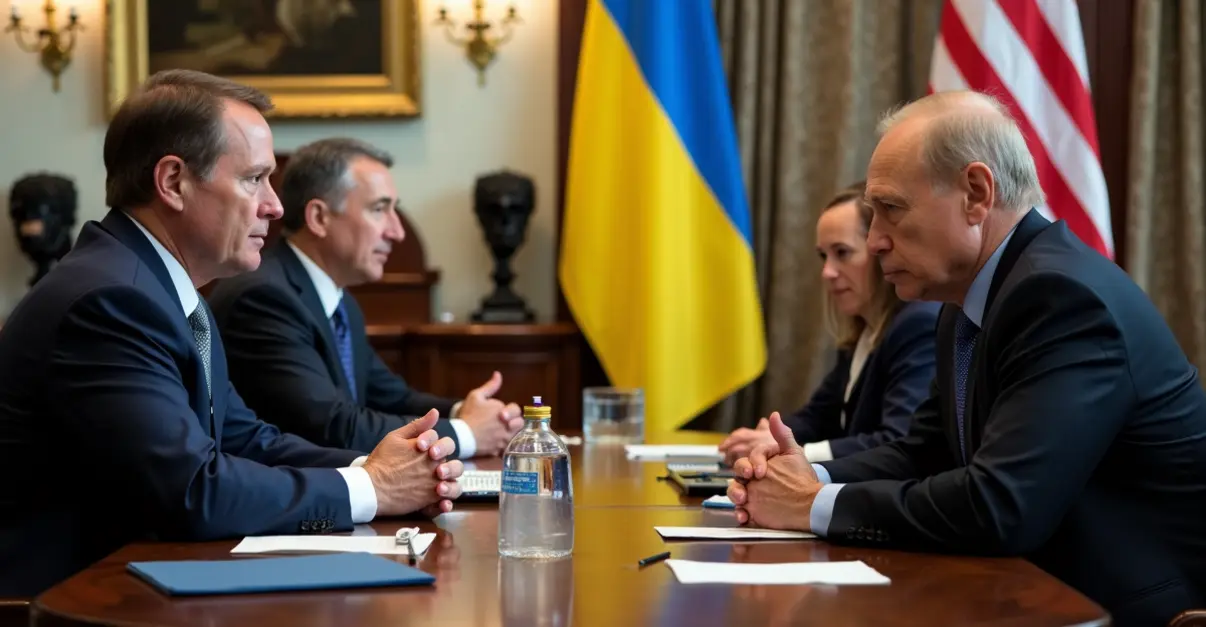
The attack comes at a critical diplomatic moment. Just days earlier, a 'Coalition of the Willing' meeting in Paris resulted in the Paris Declaration outlining comprehensive security guarantees for Ukraine. French President Emmanuel Macron and British Prime Minister signed an intent statement with Zelensky regarding potential troop deployment if a ceasefire is reached.
According to the Institute for the Study of War, the hypersonic missile launch appears designed to intimidate Ukraine's allies as they solidify security commitments. 'Russia is sending a message that no European capital is safe,' said one European security analyst speaking anonymously.
Humanitarian and Diplomatic Fallout
The overnight attacks killed at least four people in Kyiv and wounded 25 others, according to CBC News. The strikes damaged the Qatari Embassy in Kyiv and left nearly 6,000 apartment buildings without heat in sub-zero temperatures.
Russia claims the attack was retaliation for what it alleges was a Ukrainian drone strike on Putin's residence, though both Ukraine and the United States have rejected this claim as disinformation. The UN meeting will test whether Security Council members can present a united front against what Ukraine has classified as a war crime.
As Zelensky emphasized in his nightly address: 'We need a joint defense mechanism because across Europe, there's the same doubt: whether their capital will be defended if Putin suddenly goes off the rails.' The coming days will reveal whether international diplomacy can match the speed of Russia's hypersonic escalation.