Deutsch
 English
 Español
 Français
 Nederlands
 Português






US Implements Sweeping Drone Import Ban Citing National Security Concerns
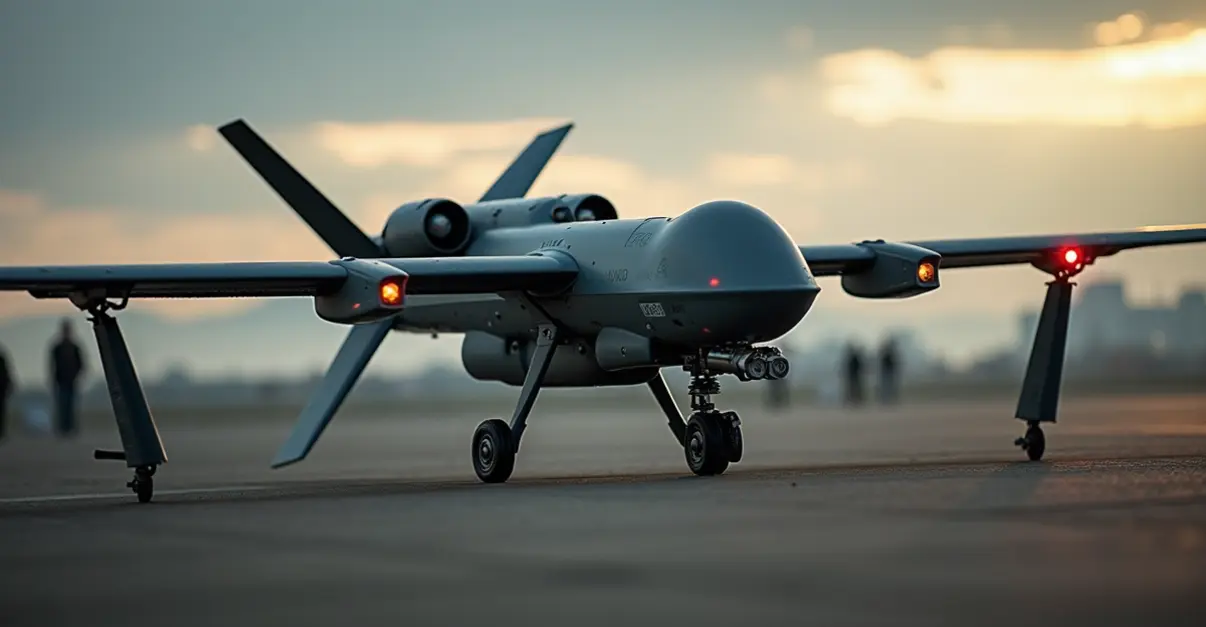
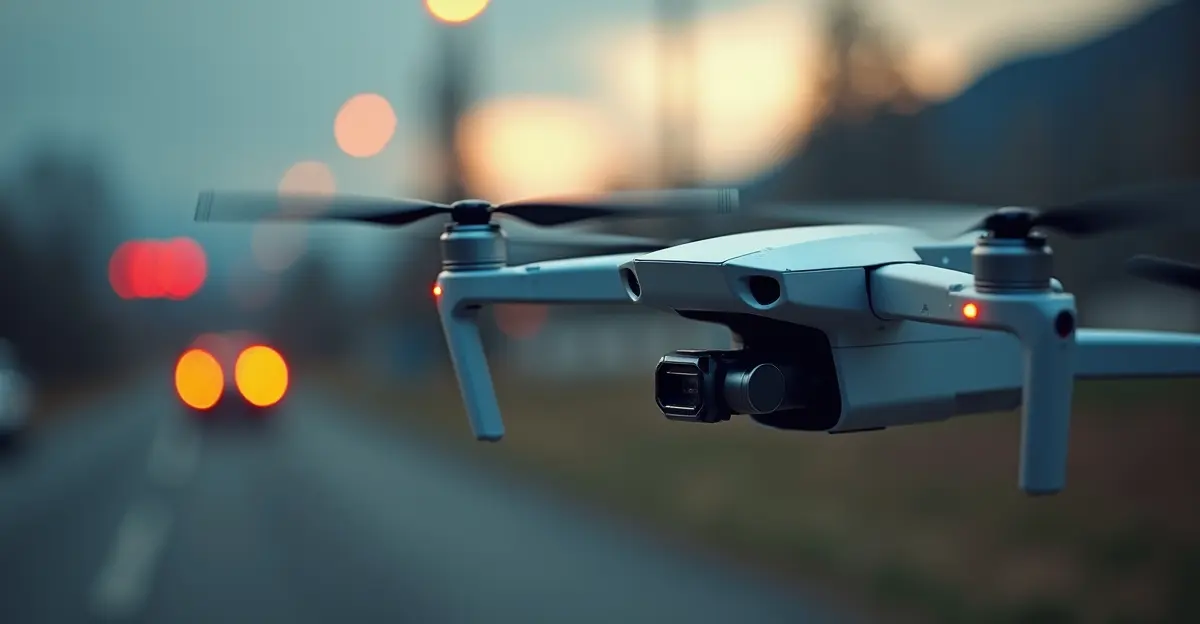
The United States has taken a dramatic step in its ongoing technology rivalry with China by implementing a comprehensive ban on the import of all new foreign-made drones and critical drone components. The Federal Communications Commission (FCC) announced the immediate enforcement of these regulations on December 22, 2025, effectively blocking new models from Chinese drone manufacturer DJI and other international companies from entering the American market.
National Security at the Forefront
FCC Chairman Brendan Carr stated unequivocally that the decision stems from growing concerns about potential espionage and surveillance risks. 'President Trump has made it clear that this administration wants secure airspace and aims to unleash American drone dominance,' Carr explained in a press briefing. 'Criminals, terrorists, and hostile foreign actors using drones represent an increasingly significant threat to the United States.'
The regulatory action adds drones to the FCC's Covered List of equipment deemed to pose unacceptable national security risks. This follows the 2025 National Defense Authorization Act and the Countering CCP Drones Act, which provided the legal framework for such restrictions.
DJI's Dominant Market Position
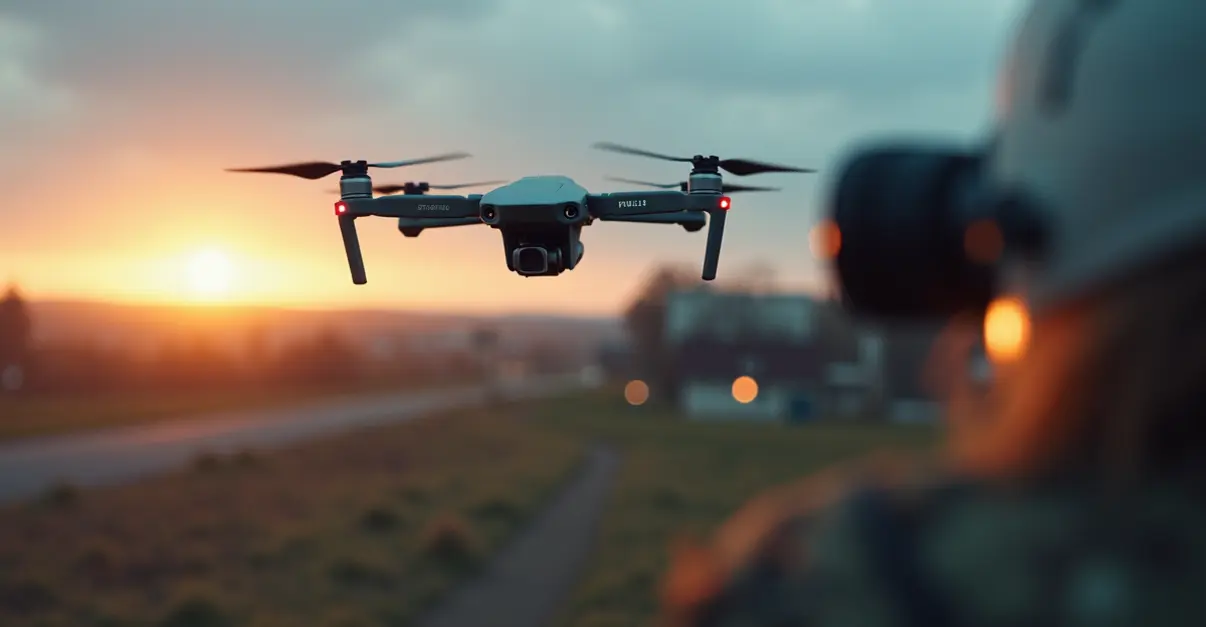
The ban disproportionately affects DJI, which according to 2025 market analysis, controls approximately 70% of the global consumer drone market and over 50% of drones sold in the United States. The Chinese company, founded in 2006 by Frank Wang, has become synonymous with consumer and professional drone technology worldwide.
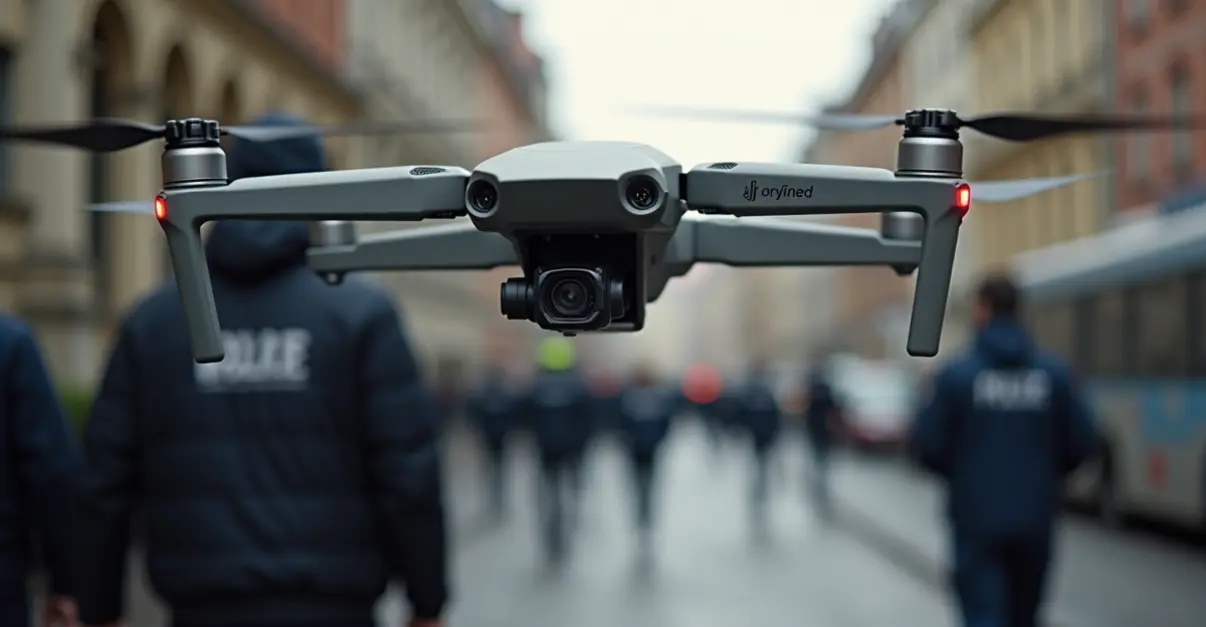
What makes this ban particularly impactful is DJI's extensive penetration into critical American infrastructure. The company recently revealed that approximately 80% of U.S. emergency services and law enforcement agencies use DJI drones or software for operations ranging from search and rescue to disaster response and crime scene documentation.
Chinese Response and Economic Implications
China has vehemently opposed the measure, with a spokesperson from the Chinese Foreign Ministry calling the blacklist 'discriminatory' and urging the U.S. to restore market access for Chinese companies. The spokesperson argued that the decision appears driven by protectionist motives rather than genuine security concerns.
DJI expressed disappointment in an official statement, characterizing the FCC's action as 'protectionist rather than evidence-based.' The company emphasized its commitment to data security and noted that its products undergo rigorous security testing.
The economic implications are substantial. According to Market Research Future, the public safety drone market was valued at $5.9 billion in 2025 and is projected to grow to $16.5 billion by 2035. The ban creates immediate supply chain challenges for American agencies that have come to rely on DJI's cost-effective and technologically advanced solutions.
Practical Consequences and Industry Response
While existing drones can continue to be used and previously approved models remain available for sale, no new foreign drone models will receive FCC approval moving forward. This creates significant concerns about parts availability, repairability, and technological advancement for current users.
American drone manufacturers have welcomed the decision as an opportunity to gain market share. However, industry analysts note that U.S.-made drones are generally more expensive and, in many cases, considered less capable than their Chinese counterparts. The price differential could strain budgets for public safety agencies that have grown accustomed to DJI's competitive pricing.
Hobbyists and commercial operators also face uncertainty. Drone enthusiast Michael Chen, who operates a photography business in California, told reporters: 'This feels like a step backward. DJI's technology has revolutionized aerial photography, and now we're facing limited options and higher costs.'
Broader Geopolitical Context
This drone ban represents the latest escalation in the ongoing technology cold war between the United States and China. It follows previous restrictions on Chinese telecommunications equipment, semiconductor technology, and artificial intelligence systems.
The U.S. government has long accused Chinese companies of conducting espionage for Beijing—allegations that both the companies and Chinese government consistently deny. The drone ban reflects Washington's determination to reduce technological dependence on China in critical infrastructure sectors.
As the global drone market continues to expand, with applications ranging from agriculture and construction to emergency response and entertainment, this regulatory move will likely reshape industry dynamics for years to come. The immediate challenge will be balancing national security concerns with the practical needs of American businesses and public safety agencies that have come to depend on foreign drone technology.