Nederlands
 English
 Deutsch
 Français
 Español
 Português





New WTO Agricultural Dispute Filed as Trade Tensions Reach Breaking Point
In a significant escalation of global trade tensions, a major agricultural dispute has been formally filed with the World Trade Organization (WTO) in 2025, marking a critical moment in the ongoing trade war that has been reshaping international markets. The filing comes as President Trump's administration has implemented aggressive tariffs on imports from China, Canada, Mexico, and the European Union, triggering retaliatory measures that have particularly targeted key U.S. agricultural exports.
The Core of the Dispute
The specific details of the newly filed dispute remain confidential during the initial consultation phase, but trade analysts confirm it involves agricultural products and represents a direct challenge to protectionist measures implemented by a major trading nation. According to sources familiar with the matter, the complaint centers on what the filing country considers unfair trade practices that violate WTO agreements on agricultural trade.
'This filing represents a critical test for the WTO's dispute settlement system at a time when it's already under tremendous strain,' said Dr. Elena Rodriguez, a trade policy expert at the Peterson Institute for International Economics. 'With the Appellate Body paralyzed since 2019 due to U.S. blocking of judge appointments, we're essentially looking at a system that can't deliver final, binding rulings.'
Agricultural Markets in Turmoil
The timing of this dispute filing couldn't be more significant. U.S. agricultural exports to China have plummeted over 73% in 2025, representing more than $6.8 billion in losses, with soybean exports alone losing an estimated $5.7 billion. This mirrors the devastating impact of the 2018-2020 trade war, during which U.S. agriculture suffered $27.2 billion in export losses, with China accounting for 94% of those losses.
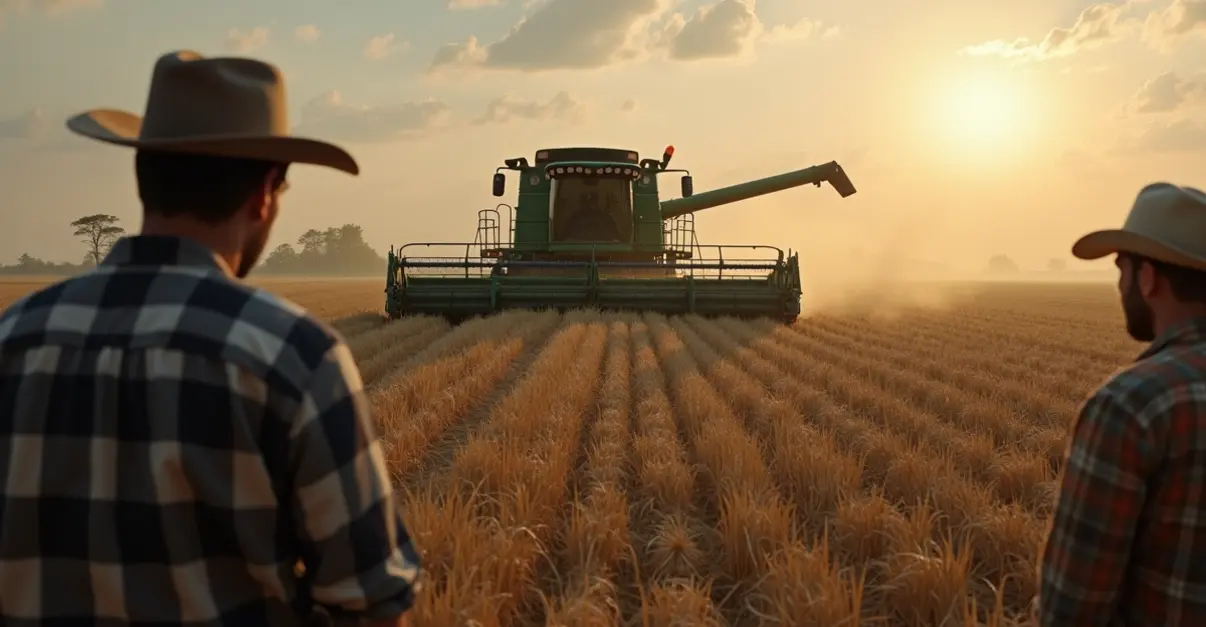
Farmers across the United States are facing reduced incomes, lost market share, and rising production costs. 'We're caught in the middle of a political battle that has real consequences for our livelihoods,' said Iowa soybean farmer Mark Thompson. 'When China slapped tariffs on our soybeans, we lost our biggest market overnight. Now with new disputes being filed, we're looking at more uncertainty and volatility.'
The WTO's Crippled Dispute System
The WTO's dispute settlement mechanism, once hailed as the 'most active international adjudicative mechanism in the world,' has been effectively paralyzed since 2019. The United States has vetoed all appointments of judges to the WTO's Appellate Body, leaving the organization unable to issue final rulings on trade disputes. This has created a situation where countries can file complaints and receive initial panel reports, but those reports cannot be appealed or finalized.
As noted in the WTO dispute settlement documentation, the system was designed to be the 'central pillar of the multilateral trading system,' but its current dysfunction threatens the entire framework of international trade rules.
Global Economic Implications
The International Monetary Fund projects global growth to fall to 2.8% in 2025, partly due to escalating trade tensions. The average effective global tariff rate has reached its highest level since 1935, according to recent economic analyses. The agricultural sector has been particularly hard hit, with global supply chains being dramatically realigned as countries seek alternative suppliers.
'What we're seeing is a fundamental reshaping of global agricultural trade patterns,' explained Maria Chen, an agricultural economist at the University of California, Davis. 'Countries that were once reliable trading partners are now looking elsewhere, and this new WTO dispute filing is likely to accelerate that trend. The long-term consequences could include permanently altered trade flows and reduced food security in some regions.'
Political and Policy Dimensions
The U.S. government provided $28 billion in financial assistance to farmers during the 2018-2020 trade war, primarily using Commodity Credit Corporation funds. Similar measures are being considered for 2025, but many experts question the sustainability of such bailouts. Meanwhile, a group of 127 countries has put forth 61 proposals to resume the Appellate Body appointment process, all of which have been vetoed by the United States.
The newly filed agricultural dispute adds pressure on WTO members to find a solution to the institutional crisis. 'This isn't just about one dispute or one sector,' said former WTO Deputy Director-General Alan Winters. 'It's about whether the rules-based trading system can survive. Without a functioning dispute settlement mechanism, we're essentially back to the law of the jungle in international trade.'
Looking Ahead
As the dispute moves through the WTO's consultation process, all eyes will be on whether the parties can reach a settlement before the case proceeds to a panel. Given the current political climate and the WTO's institutional challenges, many observers are pessimistic about a quick resolution.
The agricultural dispute filing of 2025 serves as a stark reminder of how trade tensions can spill over into critical sectors like food production. With farmers worldwide grappling with volatility and shifting market landscapes, the outcome of this case could have far-reaching implications for global food security, rural economies, and the future of multilateral trade governance.