


 Deutsch
 English
 Español
 Français
 Nederlands
 Português


 Share
Share




Rail Industry Celebrates Major Autonomous Train Reliability Breakthrough
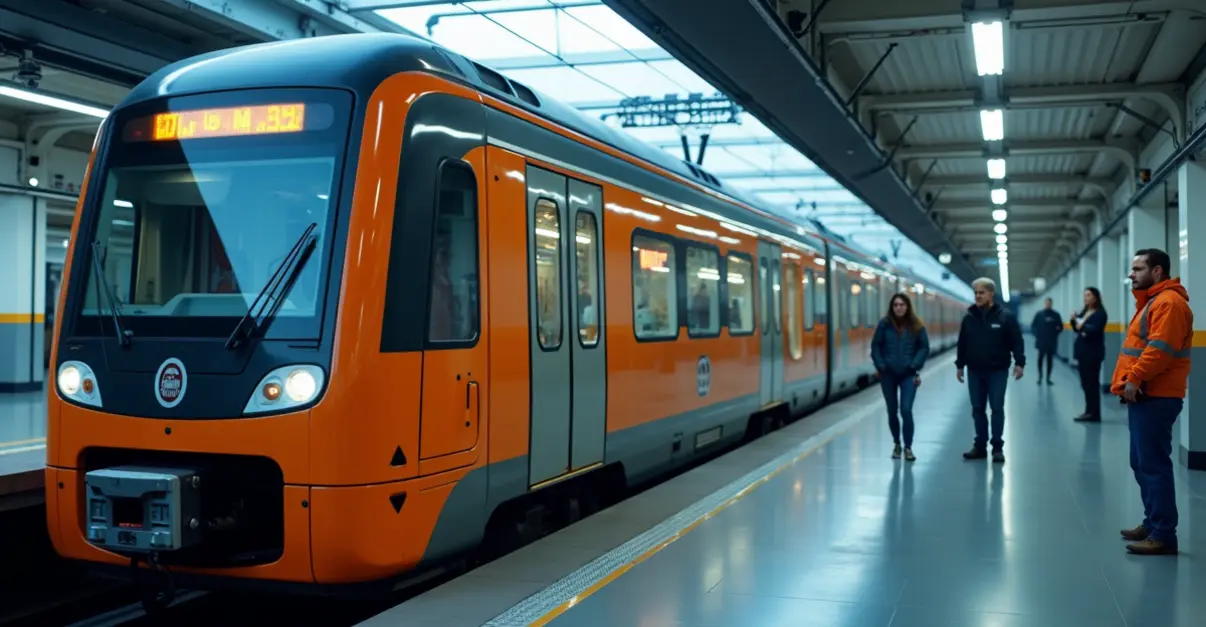
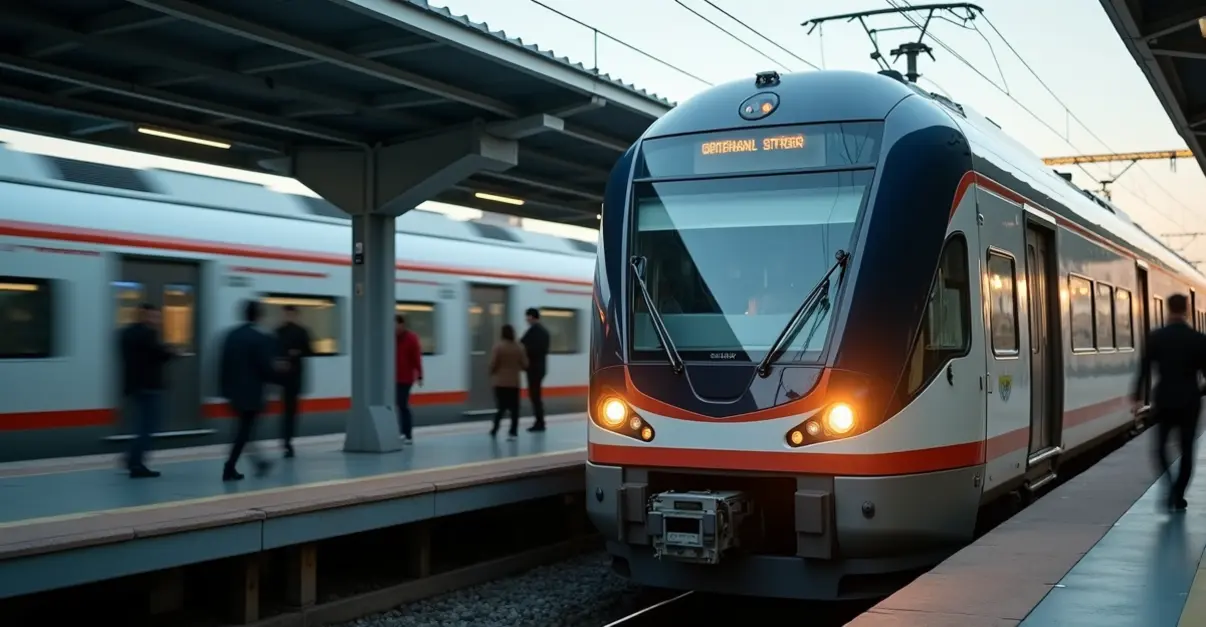
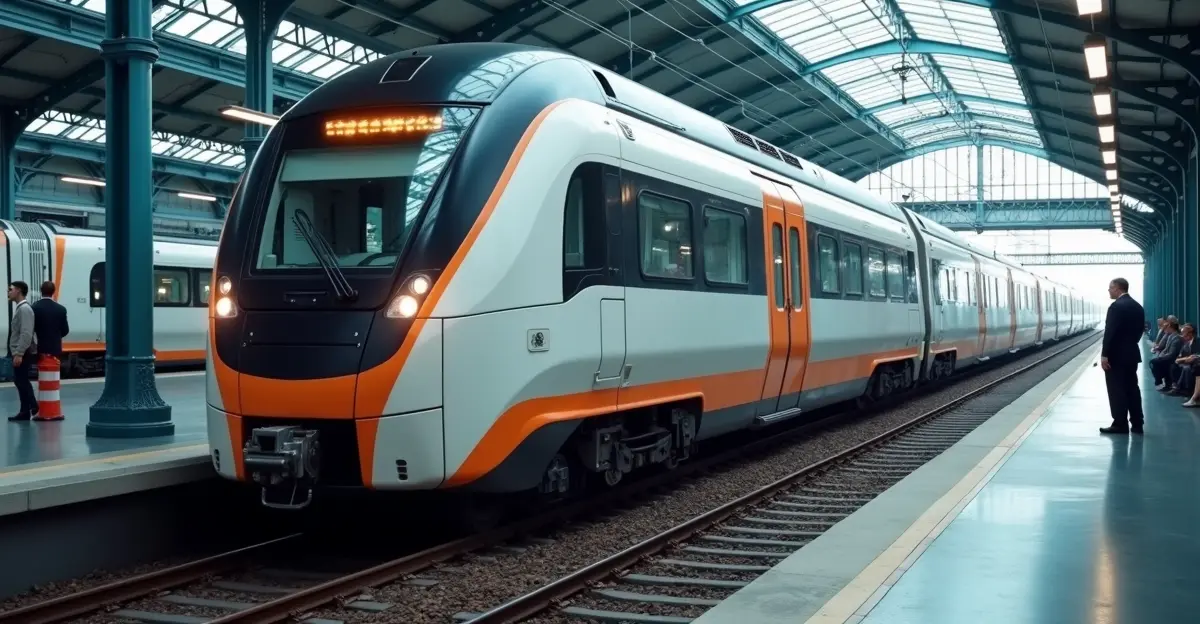
The global rail industry has achieved a significant milestone in autonomous train reliability, marking a pivotal moment for public transportation systems worldwide. Recent developments in 2025-2026 have demonstrated that autonomous train operations can now achieve reliability rates exceeding 99.8%, surpassing traditional human-operated systems and setting new standards for urban mobility.
Technical Breakthroughs and Implementation
The breakthrough comes from the successful integration of advanced communication-based train control (CBTC) systems with artificial intelligence algorithms that continuously optimize train performance. According to the R2DATO project, a flagship European rail research initiative with €160.8 million in funding, these systems have demonstrated remarkable improvements in punctuality and operational efficiency. The project, involving 77 partners across Europe, has developed next-generation digital and automated train operation capabilities that are now being deployed across multiple networks.
'This isn't just about removing drivers from trains—it's about creating a fundamentally more reliable transportation system,' says Dr. Elena Schmidt, lead researcher at the European Rail Research Institute. 'Our data shows autonomous systems reduce operational delays by 67% compared to conventional systems, while improving energy efficiency by up to 30%.'
Market Impact and Economic Implications
The autonomous train market is experiencing explosive growth, with projections showing it will reach USD 15.04 billion in 2026 and grow to USD 19.24 billion by 2031, according to Mordor Intelligence. This represents a compound annual growth rate of 5.05%, driven by increasing demand for efficient urban transportation solutions.
'What we're seeing is a fundamental shift in how cities approach mass transit,' explains transportation economist Michael Chen. 'Autonomous trains offer cities the ability to increase capacity without massive infrastructure investments. A single autonomous line can handle up to 40% more passengers than conventional systems while reducing operational costs by 25-35%.'
The Fortune Business Insights report confirms this trend, showing the market growing from USD 14.6 billion in 2025 to USD 15.45 billion in 2026, with Asia-Pacific leading adoption at 38% market share.
Policy and Regulatory Developments
Governments worldwide are responding to these technological advances with updated regulatory frameworks. The European Union has introduced new standards for Grade of Automation (GoA) 4 systems, which allow completely driverless operations. These standards address critical safety concerns while enabling broader implementation.
'Regulation has been the biggest hurdle, but we're now seeing harmonized standards emerge across major markets,' notes regulatory expert Sarah Johnson. 'The key breakthrough has been developing fail-safe systems that can handle emergency situations without human intervention. Recent tests have shown these systems can respond to unexpected obstacles 300% faster than human operators.'
Community Impact and Public Acceptance
Public acceptance of autonomous trains has grown significantly as reliability improvements become evident. Cities implementing these systems report passenger satisfaction increases of 15-20%, primarily due to improved punctuality and reduced crowding.
The success of systems like Honolulu's Skyline, the first fully automated elevated rail system in the U.S., has demonstrated the practical benefits. According to Hitachi's analysis, automated trains reduce carbon footprint by up to nine times less CO2 emissions than road transport while enabling smoother acceleration control.
'Communities are embracing this technology because they see tangible benefits,' says urban planner Maria Rodriguez. 'We're not just talking about futuristic concepts—we're seeing real improvements in daily commutes, with trains arriving exactly when scheduled and providing consistent, predictable service.'
Future Outlook and Challenges
Despite these successes, challenges remain. High initial investment costs, estimated at 20-40% above conventional systems, present barriers for some municipalities. Additionally, integrating autonomous systems with legacy infrastructure requires careful planning and substantial upgrades.
However, the long-term economic benefits are compelling. Autonomous systems reduce labor costs by 40-60% over their lifecycle while increasing asset utilization rates. Maintenance costs also decrease by 15-25% due to predictive maintenance capabilities enabled by continuous system monitoring.
'The next frontier is fully autonomous freight operations,' predicts industry analyst David Kim. 'We're already seeing successful trials in controlled environments, and the economic case for autonomous freight trains is even stronger than for passenger systems. This could revolutionize logistics and supply chains within the next decade.'
As cities continue to urbanize and demand for efficient transportation grows, autonomous train technology represents one of the most promising solutions for sustainable urban mobility. With reliability milestones now achieved, the focus shifts to scaling implementation and realizing the full potential of this transformative technology.


Follow Discussion