


 Deutsch
 English
 Español
 Français
 Nederlands
 Português


 Share
Share




Revolutionizing Urban Air Mobility
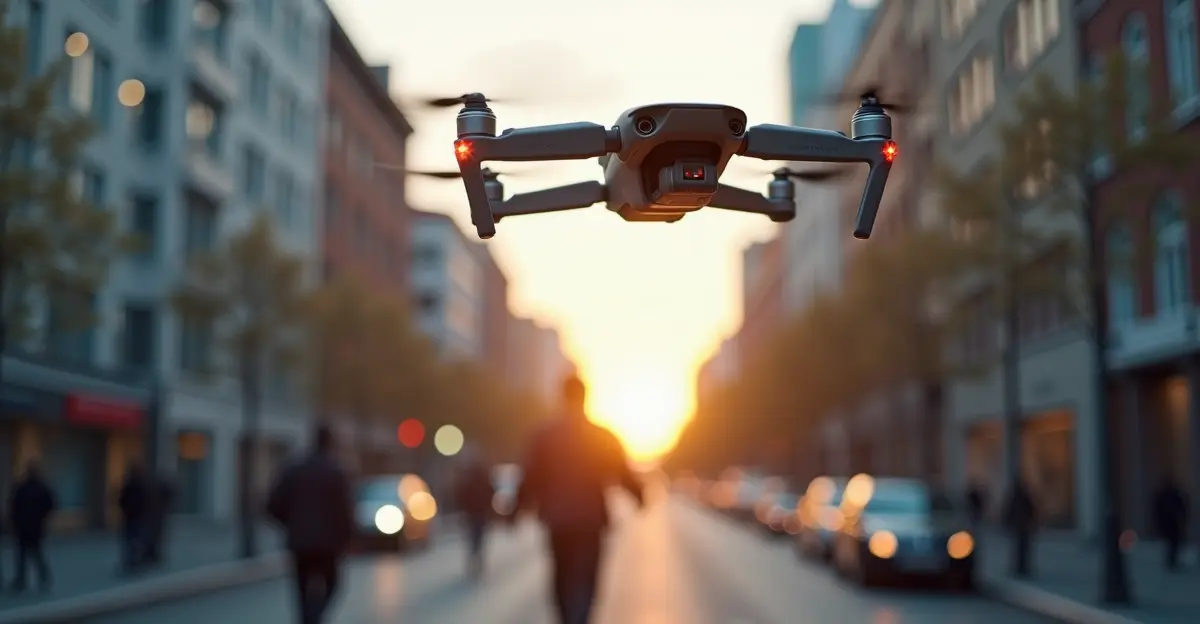
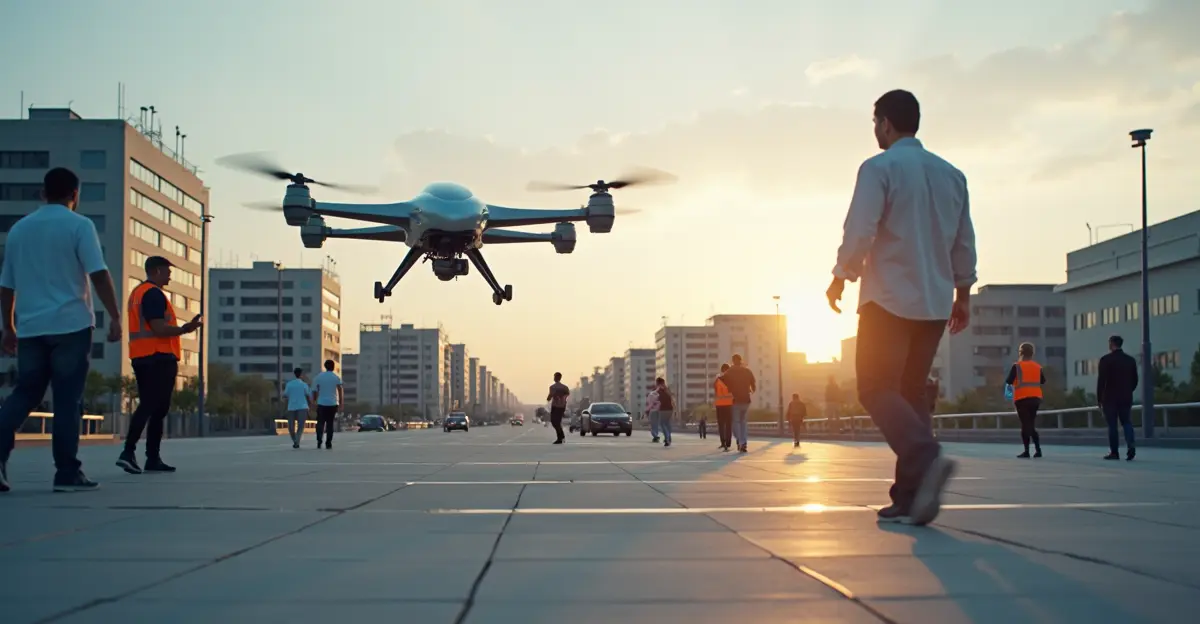
Cities worldwide are testing "drone corrals" - dedicated infrastructure designed to manage and track aerial vehicles in dense urban environments. These specialized landing and charging stations represent a crucial step in enabling safe drone operations for delivery services, emergency response, and air taxis.
How Drone Corrals Work
Drone corrals function as centralized hubs equipped with:
- Automated docking systems
- Charging stations
- Weather-protected storage
- Air traffic coordination technology
Using sensor networks and AI-powered software, these installations can coordinate multiple drones simultaneously, preventing collisions and optimizing flight paths. Current prototypes being tested in cities like Singapore and Dubai feature vertical stacking to maximize space efficiency in crowded urban areas.
Addressing Urban Air Challenges
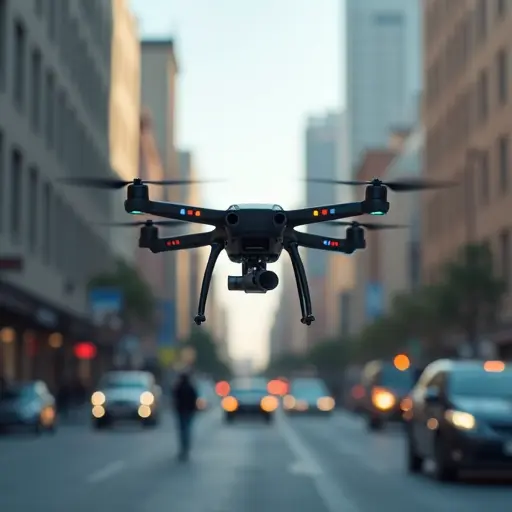
The implementation comes as urban air mobility (UAM) faces growing challenges:
- Over 2 million commercial drones expected in urban airspaces by 2030
- Current air traffic systems unable to handle low-altitude traffic
- Safety concerns around unregulated drone operations
- Noise pollution in residential areas
Recent tests in Lagos, Nigeria, demonstrated how drone corridors at Konza Technopolis enable safe beyond-visual-line-of-sight (BVLOS) flights. Similar initiatives are underway in Kenya, where regulators approved the country's first national drone corridor.
Industry Response and Future Plans
Major players like Joby Aviation and Archer Aviation are collaborating with city planners on corral designs. "This infrastructure is as vital as roads were for automobiles," says Dr. Evelyn Torres of the Urban Air Mobility Institute. The FAA is developing new regulations for these systems, with full implementation expected in major cities by 2027.
While challenges remain around costs and standardization, drone corrals represent a promising solution for integrating aerial vehicles into our urban ecosystems safely and efficiently.


Follow Discussion